
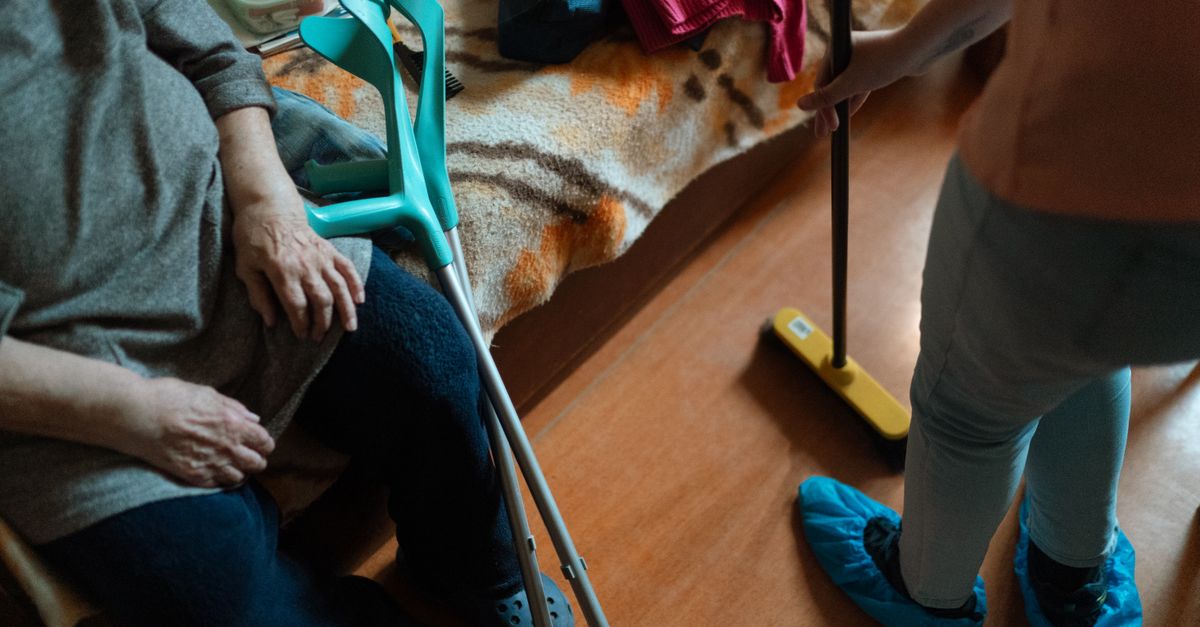
The best foot massager as a gift is one that combines therapeutic effectiveness with ease of use — especially for older adults managing foot pain, poor circulation, or conditions like neuropathy. A gift-worthy foot massager should have simple controls, require no assembly, and deliver consistent results rather than collecting dust after the first week. MedMassager's FDA-registered Class I Foot Massager is designed for daily therapeutic use, with a single speed dial, no setup required, and the kind of oscillating power that physical therapy clinics rely on. For anyone buying for an aging parent, grandparent, or someone with a chronic foot condition, it represents a meaningful gift that earns daily use.
You've already decided a foot massager is the right gift. Maybe your mom has been complaining about her feet for years. Maybe your dad has neuropathy and you've watched him wince getting up from his chair. Maybe you just want to give someone something they'll actually use — not a candle, not a gift card, not another robe that lives in a drawer.
The challenge is that the foot massager category is flooded with products that look impressive in photos and disappoint in practice. Choosing the best foot massager as a gift — especially for an older adult managing real foot pain — requires a different set of filters than buying for yourself. This guide walks through exactly what to look for, what to avoid, and why a therapeutic-grade device is almost always the better gift over a novelty gadget.
Why Most Foot Massagers Fail as Gifts
The product graveyard of well-intentioned gifts is full of foot massagers. Understanding why they fail is the first step to choosing one that won't.
The Novelty Gadget Problem
Most foot massagers sold through big-box retailers and online marketplaces are built for the gift-buying moment, not for long-term daily use. They look good in packaging, have a low price point, and generate positive unboxing reactions. What they don't deliver is consistent therapeutic benefit that keeps someone coming back to the device every day.
Novelty foot massagers typically use low-wattage motors, fixed intensity settings, and rolling or vibrating mechanisms that stimulate the surface of the foot without reaching deeper muscle and connective tissue. The experience feels pleasant the first few times. Within a week or two, most people stop noticing the effect — and stop using the device entirely.
Complexity Is the Enemy for Older Users
Many consumer-market foot massagers include multiple modes, Bluetooth connectivity, remote controls with small buttons, or setup steps that require reading an instruction manual. For a younger, tech-comfortable user, this might be fine. For an aging parent or grandparent — especially one with arthritis, limited vision, or unfamiliarity with consumer electronics — complexity is a dealbreaker.
A device that requires cycling through mode selections before each session will be used once or twice before it stays on a shelf. The ideal gift for an older adult is a foot massager that turns on with one control and does its job without further input.
Durability and the "Cost Per Use" Reality
Low-cost foot massagers often use motors that weren't built for daily use. They're designed for the occasional 15-minute session, not for someone who sits down every evening and runs a 30-minute session as part of their routine. When those motors fail — and they do — there's often no repair option and no meaningful customer support.
- Entry-level consumer massagers often use motors rated for light, occasional use
- Replacement parts are rarely available for budget models
- Customer support lines, when they exist, are often outsourced with no technical knowledge of the product
- Devices without US-based support leave older users stranded when problems arise
The gift becomes a disposal problem rather than a lasting benefit.
What Makes a Foot Massager Gift-Worthy
A truly gift-worthy therapeutic foot massager checks a specific set of boxes that go beyond looks and price. Here's the framework for evaluating any device you're considering.
Ease of Use for the Person Receiving It
The single most important factor when buying a foot massager as a gift for an older adult is how easy it is to use independently. Look for a single-dial or single-button control that adjusts intensity without requiring menu navigation. The device should be ready to use immediately out of the box — no assembly, no pairing, no calibration.
Weight and footprint also matter more than most gift-buyers consider. A foot massager that weighs 15 or more pounds is difficult for an older adult to move from storage to wherever they sit. If it's not already sitting where they watch TV or read, it's not going to get used. Compact, lightweight designs that can stay out permanently are significantly more likely to earn daily use.
Therapeutic Effectiveness vs. Surface Stimulation
There's a meaningful difference between a foot massager that stimulates the surface of the skin and one that delivers oscillating motion deep enough to activate the calf muscles and improve circulation through the lower leg. For someone managing foot pain, neuropathy, swollen ankles, or poor circulation, surface stimulation isn't enough to produce noticeable, lasting relief.
Therapeutic-grade oscillating foot massagers — like the MedMassager Foot Massager — use a motor powerful enough to replicate the effect of clinical massage. Oscillating motion keeps blood flowing through the foot and activates the calf muscles, pushing blood upward instead of letting it pool during long periods of rest. MedMassager uses oscillating technology to deliver deeper, more controlled vibration than conventional massagers — which is the mechanism that produces results people notice the same day and keeps them coming back to the device.
The FDA-Registered Difference
When you're buying a gift for someone managing a real health concern — foot pain, circulation problems, diabetes-related foot issues, or neuropathy — the regulatory classification of the device matters. A device registered with the FDA as a Class I medical device has met a defined standard. It's not a wellness gadget positioned to suggest therapeutic benefit without any oversight.
MedMassager's Foot Massager is an FDA-registered Class I medical device. That classification matters to the person receiving the gift, and it matters to you as the buyer. You're giving a therapeutic tool, not a novelty item with marketing claims and no accountability behind them.
Repairability and US-Based Support
A foot massager used daily for years is going to experience wear. The gift-worthy question is: what happens when something goes wrong? Devices with no repair option, no replacement parts, and no knowledgeable support line become landfill when they break.
MedMassager devices are built to be repaired, not replaced. US-based phone support means an older adult — or their family member calling on their behalf — can speak with someone who actually knows the product. That's a meaningful differentiator when you're buying for someone who may not be comfortable troubleshooting a consumer device on their own.
Choosing the Right Foot Massager for Your Recipient
Not every recipient has the same needs. The best approach is to match the device to the specific situation of the person you're buying for.
For Aging Parents and Grandparents
Older adults typically benefit most from a foot massager that prioritizes simplicity, stability, and therapeutic output over features. The ideal profile: a single speed-control dial that adjusts from low to high, a non-slip base that stays put on hardwood or carpet, and a motor strong enough to be felt through skin that may have reduced sensitivity from age or circulation changes.
The MedMassager Foot Massager is used in physical therapy clinics and recommended by healthcare providers specifically because its oscillating platform delivers consistent, adjustable intensity without requiring ongoing input from the user. An older adult can set it, rest their feet on it, and let it run — no mode switching, no remote, no app.
For Someone Managing Foot Pain or Neuropathy
If the person you're buying for has been diagnosed with peripheral neuropathy, plantar fasciitis, or diabetes-related foot issues, the therapeutic mechanism becomes the primary consideration. Continuous oscillating motion helps keep blood flowing through the feet when natural movement is limited — this is especially important for people who spend long hours sitting or who have reduced mobility.
For neuropathy specifically, consistent circulation support through daily use is more valuable than any single intense session. A device that's easy enough to use every day without effort is more therapeutically meaningful than a feature-rich device that gets used twice a month.
For Someone Who Spends Long Hours on Their Feet
Nurses, teachers, retail workers, and anyone else who stands on hard floors for extended shifts experience a different kind of foot fatigue — one driven by prolonged impact and muscle overload rather than circulatory stagnation. For this recipient, you want a massager with enough intensity to work through end-of-day muscle tension and enough surface area to address the full foot.
- Look for a wide oscillating platform that accommodates the full foot, not just a targeting pad
- Variable speed control allows the user to start gentle and increase intensity as muscles relax
- Devices with 10 or more speed settings give more precision than simple low/medium/high selections
- A stable non-slip base is essential for users who need the device to stay in place during active use
How to Present a Foot Massager as a Gift
The presentation of a therapeutic foot massager matters — not for aesthetics, but for adoption. A gift that arrives with context about why it was chosen and how it works is far more likely to be used consistently than one dropped off in a box.
Include a Short Setup Note
Even a device as simple as the MedMassager Foot Massager benefits from a brief personal note covering the one or two things the recipient needs to know: plug it in, place feet on the platform, turn the dial. If the person you're gifting to is less comfortable with new devices, a handwritten note with those steps is more effective than the instruction manual alone.
Suggest a Daily Routine Anchor
Foot massagers earn daily use when they're tied to an existing habit — evening TV time, reading before bed, morning coffee. When you give the gift, suggest a specific time of day: "Use it while you watch the news" or "Keep it next to your reading chair." Anchoring to an existing habit dramatically increases the likelihood of consistent use.
Point Them to Support
For older adults especially, knowing there's a phone number they can call if they have questions removes a significant barrier to use. MedMassager offers US-based phone support. Letting your recipient know that line exists — and that you chose this company specifically because of it — adds a layer of reassurance that matters for this demographic.
Consider registering the device on their behalf if they're not comfortable doing it themselves. That step removes one more friction point and ensures they're connected to warranty and support from day one.
Frequently Asked Questions
Is a foot massager a good gift for an elderly person?
A foot massager can be an excellent gift for an elderly person, provided it's selected with their specific needs in mind. Look for simple controls, no assembly required, and a therapeutic-grade motor that delivers meaningful results rather than surface stimulation. Devices that are easy to operate independently and built for daily use are far more likely to get consistent use than feature-heavy models with complex settings.
What should I look for in a foot massager for someone with neuropathy?
For someone with neuropathy, the most important features are consistent oscillating or vibrating motion that supports circulation, adjustable intensity settings that accommodate sensitivity variations, and a design that requires minimal setup so the device gets used daily. A therapeutic-grade device registered with the FDA as a Class I medical device is a more appropriate choice than a consumer wellness gadget when a real medical condition is involved.
How do I know if a foot massager is therapeutic or just a novelty?
Therapeutic foot massagers are typically registered with the FDA as Class I medical devices, built with motors rated for daily use, and designed to activate deeper muscle tissue rather than just stimulate the skin surface. Novelty foot massagers often have low wattage, fixed intensity, and no repair or support infrastructure. If a device is sold primarily on aesthetics and price with vague wellness claims and no regulatory classification, it belongs in the novelty category.
Can a foot massager help with poor circulation in the elderly?
Foot massagers that use oscillating or rhythmic motion can help support circulation in the lower legs and feet by activating the calf muscles, which act as a pump to move blood upward toward the heart. For older adults who are less mobile or spend long hours sitting, this kind of mechanical movement can be a meaningful supplement to daily activity. These devices are not a treatment for circulatory conditions, and anyone with a diagnosed circulatory disorder should consult their physician before use.
Will a foot massager get used daily or end up in a closet?
Whether a foot massager earns consistent use depends almost entirely on ease of use and therapeutic effectiveness. Devices with simple one-dial controls, no required setup, and noticeable results tend to become part of a daily routine — particularly for older adults who have a specific reason for using one, like foot pain or swelling. Complex, low-powered devices that require mode selection or produce minimal results are the ones that go unused.
What is the difference between a vibrating and an oscillating foot massager?
Vibrating foot massagers use rapid up-and-down or side-to-side motion that primarily stimulates the surface of the foot and surrounding skin. Oscillating foot massagers use a rotating platform motion that engages deeper muscle tissue and activates the calf muscles, producing a circulation effect that extends further up the leg. MedMassager uses oscillating technology to deliver deeper, more controlled vibration than conventional massagers — making it more effective for conditions involving circulation, nerve sensitivity, or chronic foot fatigue.
Is it safe to give a foot massager to someone with diabetes?
A foot massager can be appropriate for someone with diabetes, but the recipient should consult their healthcare provider before use, since diabetic neuropathy can reduce foot sensitivity and make it harder to detect excessive pressure. Therapeutic-grade devices with adjustable intensity are preferable because they allow the user to start at a low level and increase gradually. Anyone with open wounds, active sores, or severe neuropathy should not use a foot massager without medical clearance.
The Bottom Line: Give a Gift That Gets Daily Use
The best foot massager as a gift isn't the one with the most features or the lowest price — it's the one that earns a permanent spot in someone's daily routine. For aging parents, grandparents, or anyone managing foot pain, poor circulation, or neuropathy, that means a therapeutic-grade device with simple controls, no setup friction, and oscillating power that produces noticeable results from the first session.
MedMassager's FDA-registered Class I Foot Massager is built for exactly this use case. It doesn't require assembly, doesn't need an app, and doesn't demand ongoing attention from the user. A single dial controls everything. The oscillating platform does the rest.
For anyone managing a chronic foot condition, US-based phone support and a device designed to be repaired rather than replaced add a layer of value no novelty gadget can match. You're not giving a gadget — you're giving something with a long useful life and a company behind it that picks up the phone.
Explore the full range of therapeutic foot massagers at MedMassager to find the right fit. If you're also looking for a gift to address back, shoulder, or full-body muscle tension, the MedMassager Body Massager collection applies the same oscillating technology to the full body — equally suited to daily home use without clinical experience required.
This content is for informational purposes only and is not intended as medical advice, diagnosis, or treatment. Always consult a qualified healthcare professional before starting any new treatment or therapy. MedMassager products are FDA-registered Class I medical devices.


