
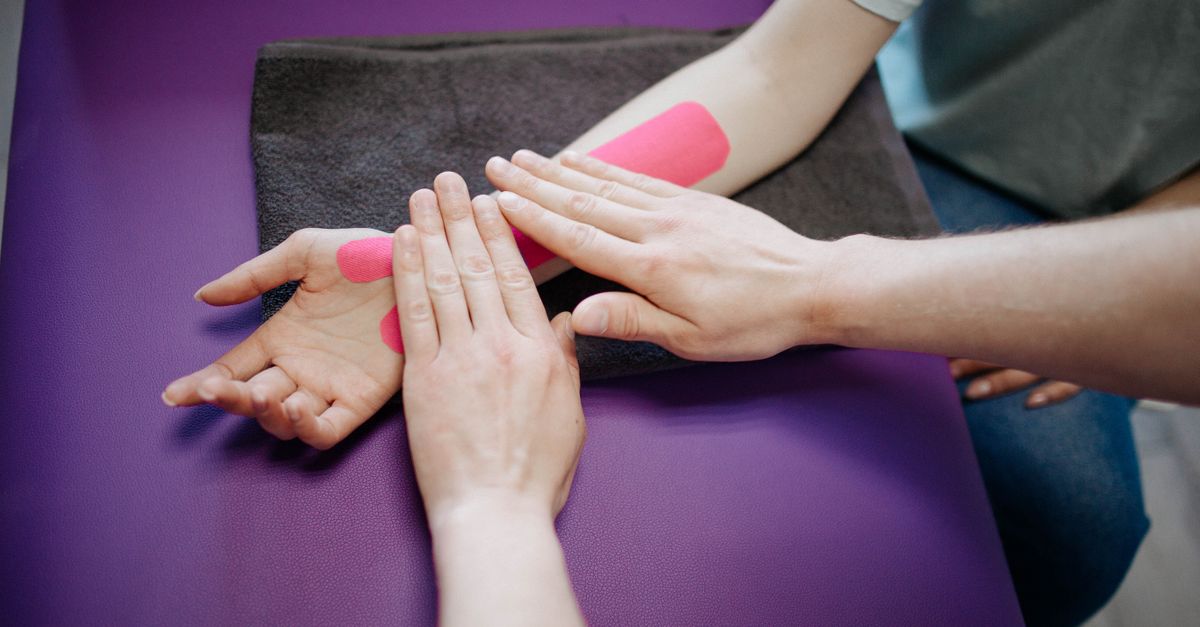
Building a daily massage routine for chronic pain means establishing short, consistent sessions — typically 10 to 15 minutes — that work alongside your physician-directed care rather than replacing it. Consistency matters more than session intensity: regular, moderate stimulation keeps blood moving through affected areas and helps your body respond more predictably over time. A practical routine sequences from the feet upward, addresses the areas most affected by your specific conditions, and includes a modified approach for flare days when full sessions aren't appropriate. Tracking how your body responds after each session helps you refine the routine and gives your care team useful information about what's working.
After a long stretch of managing chronic pain, you already know that no single session fixes anything. What changes the picture — gradually, measurably — is showing up for short sessions most days, adjusting when your body signals you to, and treating the routine itself as part of your care plan. For many people in their 50s, 60s, and beyond who are living with conditions like plantar fasciitis, neuropathy, back stiffness, or persistent muscle tension, the question isn't whether massage helps. It's how to build a practice that's realistic enough to actually stick with.
This guide lays out a complete daily massage routine framework — why daily consistency outperforms occasional intensity, how to sequence a 10-to-15-minute session across body regions, what to do on flare days, and how to track what's working. Both the MedMassager Foot Massager and Body Massager are referenced throughout, since most people managing long-term conditions benefit from addressing multiple areas.
Why Chronic Pain Responds Differently
Understanding what's actually happening in your body makes it easier to stick with a routine — and easier to set realistic expectations.
The Physiology of Persistent Pain
Chronic pain — generally defined as pain lasting three months or longer — involves changes that extend beyond the original injury site. The nervous system itself can become sensitized over time, a process researchers sometimes call central sensitization. This means the pain signal is amplified in ways that aren't always proportional to ongoing tissue damage. Conditions like fibromyalgia, long-standing neuropathy, and persistent low back pain all involve this component to varying degrees.
Circulation also plays a consistent role across many chronic pain conditions. When blood flow through an area is reduced — whether from prolonged sitting, nerve-related vascular changes, or simple inactivity — tissues receive less oxygen and accumulate metabolic waste products. This can amplify the pain signal and prolong recovery from daily activity.
Why Intensity Alone Doesn't Work
It's tempting to assume that a harder, longer, more aggressive massage session will produce better results. For acute muscle soreness, some intensity has a time and place. For chronic pain, that logic often backfires. Overstimulating sensitized tissue can trigger a flare, create delayed soreness, or cause the nervous system to respond defensively rather than adaptively.
Research on chronic pain management consistently points toward lower-intensity, higher-frequency interventions as more effective for long-term symptom management than occasional high-intensity ones. The same principle applies to massage. A 12-minute session done six days a week will typically produce more durable results than a 45-minute session done once a week, because the body adapts to regular, predictable input rather than sporadic intensity spikes.
What Cumulative Benefit Actually Means
When clinicians and physical therapists talk about cumulative benefit, they mean that each session builds on the last. Blood flow improvements from one session carry over partially into the next. Muscle tissue that's been regularly mobilized stays more pliable. The nervous system habituates to therapeutic input, which can gradually reduce sensitivity in overactive pain pathways.
- Improved local circulation accumulates across sessions, not just during them
- Reduced muscle guarding develops over days and weeks of consistent work
- Sleep quality — often disrupted by chronic pain — can improve with evening routine use
- Predictable sensory input helps the nervous system down-regulate chronic sensitization over time
None of this happens after a single session. All of it becomes possible with a consistent routine.
How to Structure a Daily Session
The framework below is designed to be sustainable for people managing multiple conditions alongside physician-directed care. It doesn't require equipment beyond what you already have — and it fits into most schedules without major rearrangement.
Start With the Feet (5–7 Minutes)
The feet are the logical starting point for most full-body routines, for reasons that go beyond foot pain alone. The lower extremities are farthest from the heart, making them the most vulnerable to reduced circulation. Starting there and working upward mirrors the body's own venous return pathway — blood pushed up from the feet reduces the pooling that contributes to lower leg heaviness, ankle swelling, and fatigue that radiates upward.
For people managing neuropathy, plantar fasciitis, or diabetes-related foot concerns, this segment carries direct therapeutic value. Continuous oscillating motion keeps blood flowing through the feet when natural movement is limited — which is exactly the mechanism a therapeutic foot massager provides that passive rest doesn't. Use a moderate intensity setting for daily maintenance, and reserve higher settings for days when you're specifically working on foot tightness rather than as a default.
Five to seven minutes is the right window for daily use. Long enough to fully cycle through both feet and stimulate the calf muscles that activate venous return — short enough to sustain daily without fatigue or overstimulation.
Move to the Back and Core Muscles (5–7 Minutes)
Lower back stiffness and mid-back tension are among the most common complaints for people managing chronic pain in the 50-plus range, particularly those who spend significant time seated. After the foot segment, use a therapeutic body massager across the lower back, mid-back, and — if relevant — the shoulders and trapezius area.
Oscillation penetrates deep muscle layers, increasing local blood flow in muscles affected by prolonged sitting. This mechanical difference separates therapeutic oscillation from surface-level vibration: the movement reaches the tissue that actually needs it, not just the skin layer. Work slowly across one region before moving to the next rather than moving the massager quickly.
For people with upper body tension — common in those managing tension headaches, trapezius tightness, or screen-related neck strain — include a brief pass across the shoulders. The MedMassager Body Massager collection includes options suited to self-application across both lower and upper back regions.
End With Stillness (1–2 Minutes)
This step is frequently skipped and consistently undervalued. After stimulating blood flow and muscle tissue across multiple regions, a brief period of stillness — seated or lying down — allows the body to integrate the circulatory changes from the session. It's the equivalent of a cool-down after exercise. It also gives you a moment to notice how your body responded, which feeds directly into the tracking practice described below.
What to Look for in a Daily-Use Massager
Not all massagers are suited to daily use as part of a chronic pain management routine. Several factors determine whether a device will remain useful over months and years — or become a source of inconsistent results.
Oscillation vs. Conventional Vibration
Most consumer massagers deliver surface-level, high-frequency vibration that feels stimulating but doesn't penetrate deeply into muscle tissue. MedMassager uses oscillating technology to deliver deeper, more controlled vibration than conventional massagers. Oscillation moves muscle tissue through a controlled range of motion rather than simply buzzing the skin surface. For daily therapeutic use — especially for people managing neuropathy, circulation issues, or deep muscle tension — this mechanical difference matters.
When evaluating any device for daily use, ask whether it can run continuously for the duration of a full session without overheating, whether it offers variable intensity settings (essential for flare-day adjustments), and whether the design allows comfortable self-application without awkward positioning.
FDA Registration and Build Quality
For a device used daily as part of managing a medical condition, FDA registration matters. MedMassager products are FDA-registered Class I medical devices — a designation that requires documented manufacturing standards and product safety review. This is distinct from the consumer wellness market, where claims are largely unverified.
Build quality directly affects consistency. A device that degrades quickly, changes intensity unpredictably, or requires significant force to operate introduces variability into your routine. Professional-grade construction — the same standard used in physical therapy clinics — is worth prioritizing over lower-cost alternatives when daily therapeutic use is the goal.
Surface and Application Range
A foot massager and a body massager serve different regions and are genuinely complementary for a full-body routine. Consider what each covers:
- Foot massager: Hands-free design, both feet simultaneously, calf activation through foot motion
- Body massager: Handheld application across back, shoulders, hips, thighs — any region you can reach comfortably
- Combined use: Sequential use of both in a single session covers the full range of chronic pain areas without exceeding a 15-minute window
People managing multiple conditions — neuropathy in the feet alongside lower back pain from prolonged sitting, for example — benefit most from having both devices available. Explore the full MedMassager product collection to see how the devices are designed to work together.
How to Adjust Your Routine on Flare Days
A routine that only works on good days isn't a routine — it's an occasional habit. Flare days require a different approach, not an abandoned session.
Read the Signal Before You Start
A flare is your body signaling that the pain system is in an elevated state. That elevation may have a clear cause — overexertion, poor sleep, weather changes, or stress — or it may arrive without obvious explanation. Either way, the first step is to assess rather than assume.
Mild to moderate flares (increased baseline pain, stiffness, general fatigue) typically still allow for a modified session. Severe flares — particularly those involving joint swelling, acute injury, or symptom patterns outside your normal range — warrant skipping the session and contacting your care provider.
The Flare-Day Protocol
On moderate flare days, modify rather than skip. The goal shifts from therapeutic stimulation to gentle maintenance — keeping blood moving, preventing additional stiffness from inactivity, and preserving the routine habit that consistency depends on.
- Reduce session length to 5–8 minutes total
- Drop intensity to the lowest comfortable setting
- Limit to one region (feet only, or lower back only — whichever is less affected)
- Avoid any area that is acutely inflamed, swollen, or newly injured
- Note the flare in your tracking log alongside what you modified
The goal of a flare-day session is not to push through pain — it is to stay in the routine with a version your body can tolerate. Skipping entirely is occasionally necessary, but flare days that consistently derail the routine tend to extend the flare period by adding inactivity to the equation.
When to Skip Entirely
Some situations call for skipping rather than modifying. Skip your session when any of the following apply:
- Open wounds, skin infections, or fresh bruising in the treatment area
- Acute joint swelling or inflammation significantly beyond your normal baseline
- Fever or systemic illness
- Recent surgical sites that haven't been cleared by your physician
- Any day your physician has specifically instructed you to avoid massage
When in doubt, your care team's guidance takes precedence over any routine framework.
Tracking What Helps Over Time
Tracking converts a daily habit into actionable information — both for your own calibration and for conversations with your physician or physical therapist.
What to Track (and How Simply)
Effective tracking doesn't require an app or a complicated system. A small notebook kept near your massager works well. After each session, record four data points:
- Pain level before the session — a simple 1-to-10 scale
- Pain level 30 minutes after — same scale, giving time for the response to register
- Session duration and intensity used — note any modifications
- Any notable observations — unusually good response, unusual discomfort, flare flag
Four data points take under a minute to record and create a log that shows genuine patterns within two to three weeks. Those patterns are far more useful than memory when discussing what's helping with a care provider.
What the Patterns Tell You
After two to four weeks of consistent tracking, most people notice that certain session timing, intensity levels, or regional sequences consistently produce better responses than others. Evening sessions often produce better sleep outcomes than morning sessions for people with sleep-disrupting pain. Morning sessions tend to reduce stiffness that would otherwise accumulate through the first hours of the day.
The data also reveals outliers — sessions that produced unusually poor responses, which can often be correlated to sleep quality, activity level, or stress on those days. This context helps you understand your pain patterns rather than just reacting to them day by day.
Sharing Findings With Your Care Team
A two-week tracking log gives your physician or physical therapist objective information to work with. Rather than describing your pain in general terms, you can show a pattern: "Sessions on evenings after long sitting days show the most improvement the following morning" or "My flare frequency dropped from three days a week to one after I added the foot session to the morning routine." This kind of specificity improves the quality of the care you receive and helps your team make more precise recommendations.
Frequently Asked Questions
How long should a daily massage routine be for chronic pain management?
A daily routine of 10 to 15 minutes is sufficient for most people managing chronic pain conditions alongside physician-directed care. This window is long enough to stimulate meaningful circulatory and muscular responses but short enough to sustain as a daily habit without fatigue or overstimulation. Consistency across days matters significantly more than extending any individual session.
Is it safe to use a massager every day when you have chronic pain?
Daily use at moderate intensity is generally appropriate for most chronic pain conditions, but always confirm with your physician before establishing any new daily therapy. People managing conditions like neuropathy, diabetes, or cardiovascular disease should have their care provider review their routine, as some conditions require specific precautions around pressure, duration, or treatment area. Active inflammation, open wounds, and acute injuries are situations where daily use should be paused.
What is the best time of day to use a massager for chronic pain?
The best time is the time you'll actually use it consistently — routine adherence matters more than optimal timing. Morning sessions tend to reduce early-day stiffness and set a better comfort baseline for the hours ahead, while evening sessions can support sleep quality by relaxing muscle tension before bed. Tracking your own response over two to four weeks is the most reliable way to identify which timing works best for your specific pattern.
Should I use a foot massager and a body massager in the same session?
Sequential use of both in a single session is practical within a 15-minute window and covers the full range of areas most commonly affected by chronic pain. Starting with the feet and moving upward to the back and shoulders follows the body's natural venous return pathway and ensures the areas with poorest baseline circulation receive attention first. Most people find the two-device sequence takes 10 to 14 minutes once they've established their routine.
How do I know if my massage routine is actually helping?
The most reliable method is simple pre- and post-session tracking using a pain scale, recorded consistently over two to four weeks. Meaningful patterns — improved morning stiffness, better sleep, fewer flare days — typically emerge within that window. If your pain scores show no change or consistently worsen after sessions, bring that information to your care provider rather than simply increasing intensity.
Why does chronic pain sometimes feel worse after a massage?
Post-session soreness is normal when therapeutic stimulation is applied to sensitized tissue, especially in the first week or two of a new routine. If discomfort resolves within a few hours and overall pain trends improve across days, this is typically an adaptation response. If pain significantly worsens after sessions and doesn't return to baseline within 24 hours, reduce intensity or session duration and consult your physician — this pattern may indicate the current approach needs adjustment.
Can I use a massager on a day when my pain is worse than usual?
On most moderate flare days, a reduced session is appropriate — shorter duration, lower intensity, and limited to less-affected areas. The goal on a flare day is gentle circulatory maintenance, not therapeutic push. Skipping entirely is appropriate when flares involve acute inflammation, joint swelling, fever, or symptoms outside your normal pain pattern. When uncertain, default to the most conservative option and follow your care provider's guidance.
The Bottom Line: Consistency Is the Routine
Building a daily massage routine for chronic pain isn't about finding the perfect device setting or the ideal session length. It's about showing up, most days, with a practice that your body can adapt to over weeks and months. Ten to fifteen minutes, sequenced from feet upward, modified intelligently on difficult days, and tracked honestly — that's the entire framework.
The conditions that most often bring people to therapeutic massage in their 50s and beyond don't resolve overnight. What does shift, with a consistent routine, is the cumulative trajectory. Circulation improves. Muscle tissue stays more pliable. Flares may become less frequent or less severe. Sleep often improves. None of that is guaranteed, and none of it replaces physician-directed care — but all of it becomes possible when you treat the routine as a durable habit rather than an occasional intervention.
If you're ready to build that routine, explore MedMassager's therapeutic foot massagers and the professional-grade Body Massager collection — both FDA-registered Class I medical devices designed for consistent, long-term daily use.
This content is for informational purposes only and is not intended as medical advice, diagnosis, or treatment. Always consult a qualified healthcare professional before starting any new treatment or therapy. MedMassager products are FDA-registered Class I medical devices.


