
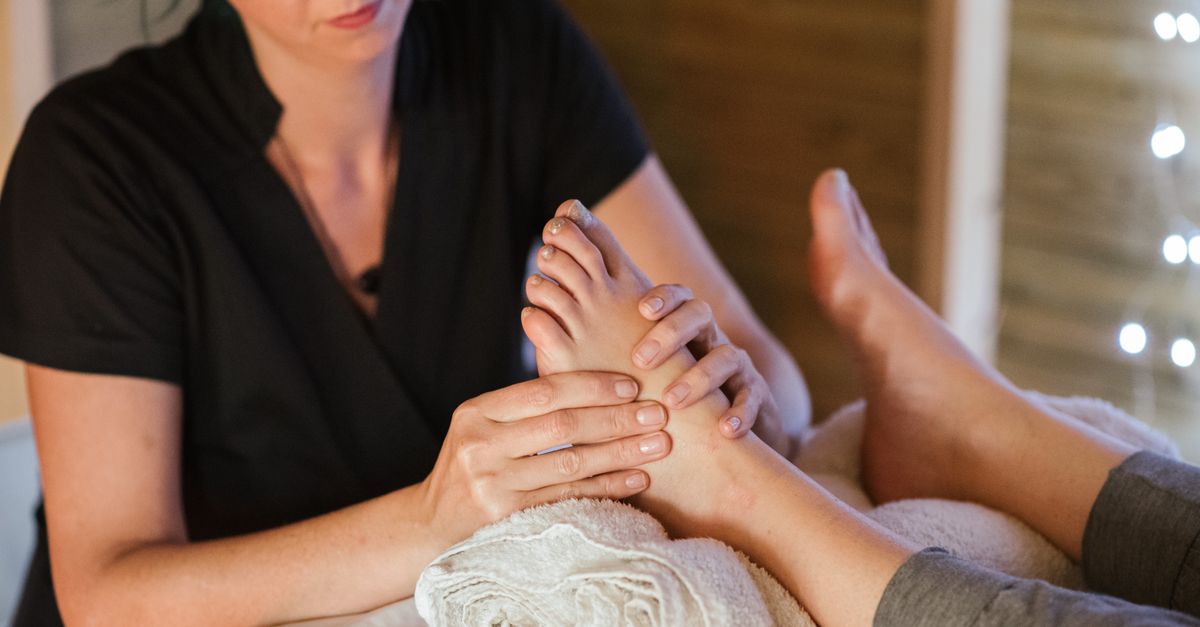
A foot and leg massager combo generally falls into two categories: a single all-in-one unit built to cover both zones, such as a leg-and-foot vibration massager or compression boot, or a two-piece setup pairing an open-platform foot massager with a handheld body massager. For most people, the open-platform-plus-handheld pairing performs better because each area gets its own motor, intensity setting, and full-strength contact instead of one motor splitting power across both zones. Calf involvement matters because the calf muscles work as a secondary pump that pushes blood back up toward the heart, so a device that only reaches the feet leaves part of that circulatory pathway untouched. The best foot and leg massager combo depends on how much floor space, budget, and independent control a shopper actually needs.
If your feet ache by mid-afternoon and your calves feel tight by the time you sit down for dinner, you've probably searched for the best foot and leg massager combo more than once. It's a reasonable thing to want: one device, or one simple two-piece setup, that treats your feet and your legs as connected instead of separate problems. This search gets confusing fast, though, because "combo" gets used loosely by manufacturers to describe everything from compression boots to vibrating floor mats with a strap attachment.
This guide is for anyone standing or sitting for long stretches at work, managing plantar fasciitis or neuropathy, or simply tired of buying one gadget for the feet and another for the legs a year later. What follows covers what each combo category actually reaches, why the calves change the circulation picture, and how an open foot platform paired with a handheld body massager compares honestly to an all-in-one unit.
Why Calves Matter As Much As Feet
Most people shopping for a leg and foot massager combo are thinking about surface comfort: sore soles, tired arches, achy shins. The physiology underneath goes deeper than the skin you can rub.
The Calf Muscle Pump Explained
Harvard Health Publishing has described the calf muscles as functioning like a "second heart," because their contraction squeezes the deep veins of the lower leg and pushes blood upward against gravity. When you walk, that pump fires with every step. When you sit at a desk or stand still on a concrete floor for hours, the pump barely engages, and blood has a harder time making the trip back up from the feet.
This is a plain mechanical fact, not a diagnosis: less calf movement means less assistance for venous return. It's part of why feet and ankles are often the first place people notice swelling or a heavy, tired feeling after a long shift.
What Happens When Only the Feet Get Attention
A foot massager alone does an excellent job on the soles, arches, and heels. It does very little to engage the calf, though, which is the muscle group actually responsible for moving blood higher up the leg. That's the gap a true foot and leg combo needs to close.
Common Combo Marketing Terms
Shoppers run into a handful of overlapping labels while researching this category. It helps to know what each one usually means before comparing specific products:
- Leg and foot massager: usually a single vibrating platform with a raised or extended surface meant to also contact the shins or lower calves.
- Compression boot massager: an inflatable sleeve that squeezes the leg in sequence, unrelated to oscillation or vibration.
- Shiatsu leg wrap: a fabric sleeve with internal rollers or nodes, typically lower intensity and battery powered.
- Combo massager set: two separate devices, often a foot platform and a handheld unit, sold or used together.
How Vibration and Oscillation Reach the Calves
Most foot and leg massagers on the market rely on some form of vibration to stimulate the feet and lower legs. MedMassager uses oscillating technology to deliver deeper, more controlled vibration than conventional massagers, moving the platform side-to-side rather than just buzzing the surface. That side-to-side motion is what activates the calf muscle rather than simply tickling the skin.
What an Open Platform Reaches
An open-design platform, like the units in the therapeutic foot massagers collection, contacts the full sole, arch, and heel at full intensity. For people managing plantar fasciitis, oscillating motion keeps blood moving through the foot instead of settling during rest, which many users notice most after standing all day.
What a Handheld Body Massager Adds
A handheld unit from the professional-grade body massager collection extends that same oscillating action up the leg, covering zones a floor platform simply cannot reach:
- Calf and knee, where repeated rhythmic movement helps move blood through the muscle tissue supporting the joint.
- Thigh and hamstring, where deeper oscillation increases local blood flow in large muscle groups and supports recovery during rest.
- Lower back and shoulders, which tend to tighten during the same long standing or seated days that leave the feet aching.
Used together, the two devices cover a wider stretch of the body than any foot-only unit manages on its own.
Comparing Foot and Leg Massager Combos
Once you know the categories, the real decision comes down to a few practical factors:
- Reach: how far up the leg the device actually makes contact.
- Power: whether intensity is split across zones or dedicated to each one.
- Control: whether the feet and calves can be set independently.
- Footprint: how much floor and storage space the setup needs.
| Format | What It Reaches | Main Trade-off |
|---|---|---|
| All-in-one leg-and-foot unit | Feet plus lower shin or calf edge | One motor splits power across two zones |
| Open foot platform + handheld body massager | Full sole plus calf, knee, and thigh | Two devices to store and use |
| Compression boot | Full leg via sequential squeeze | No oscillation or deep muscle stimulation |
All-in-One Leg and Foot Units
These are convenient by design. You plug in one device, sit down, and both zones get some attention at once. The honest trade-off is power: a single motor driving a longer platform usually delivers less intensity per zone than two dedicated motors would.
Open Platform Plus Handheld Setup
This pairing costs more upfront and takes up more storage space than a single unit. In exchange, each area gets full-strength, independently adjustable intensity. The handheld unit can also move to the calf, thigh, lower back, or shoulders instead of staying fixed to one spot on a platform.
Compression Boots
Sequential air compression boots are popular for post-exercise recovery, but they don't use vibration or oscillation at all. They squeeze rather than stimulate muscle tissue, which is a genuinely different mechanism worth knowing before assuming "combo" always means the same thing.
How to Use Your Foot and Leg Combo
Getting the most out of a foot and leg massager combo comes down to consistency more than intensity. A simple daily routine works better than one long session used sporadically.
- Start with the feet for 10 to 15 minutes on a low-to-moderate setting, focusing on the arch and heel.
- Move the handheld unit to the calves for 5 to 10 minutes per leg, using slow, deliberate passes rather than holding one spot.
- Finish with the thighs or hamstrings if you were on your feet or seated for more than six hours that day.
- Use the full routine once daily, or twice on days involving extended standing, travel, or long drives.
- Adjust intensity down if you notice numbness or discomfort rather than relief; oscillating motion should feel firm, not painful.
Explore the full lineup of therapeutic massagers to see which platform sizes and handheld attachments fit this kind of two-part routine best.
Special Considerations for Specific Needs
Not every shopper is buying a foot and leg combo for the same reason, and a few groups have specific things worth knowing before choosing a format.
People Managing Diabetes or Neuropathy
For neuropathy, continuous movement helps keep blood flowing through the feet when natural movement is limited, which matters for anyone who spends much of the day seated. For diabetes specifically, repeated foot motion activates the calf muscles, pushing blood upward instead of letting it pool in the feet.
Anyone with diabetes or reduced sensation in the feet should check with a physician before starting a new massage routine, since sensation loss can mask irritation or injury.
Older Adults and Balance
An open floor platform is generally easier and safer to use seated than a boot-style device that requires getting a leg in and out of a sleeve. A few habits keep the routine safe:
- Sit in a stable chair rather than standing on a vibrating platform.
- Keep a wall or sturdy piece of furniture within reach when standing back up.
- Begin at the lowest speed and increase only if the sensation stays comfortable.
People on Their Feet All Day
Retail workers, nurses, and factory staff tend to get the most out of the combo approach because their discomfort spans both the sole of the foot and the calf from constant standing. A short session at the end of a shift, before swelling sets in overnight, tends to be more useful than waiting until symptoms are already severe.
Frequently Asked Questions
What is the best foot and leg massager combo for circulation?
An open-platform foot massager paired with a handheld body massager generally covers more ground than a single all-in-one unit, since each device delivers full-strength oscillation to its zone instead of splitting power across the whole leg. This pairing lets you target the sole, calf, and thigh independently rather than settling for one general setting.
Do I need a separate leg massager if I already have a foot massager?
If your foot massager doesn't reach above the ankle, a separate handheld unit is worth adding, since the calf muscles play a distinct role in pushing blood back up the leg. Many people find that adding calf and thigh coverage addresses tightness and heaviness that a foot-only device never touches.
Can a foot and leg massager combo help with neuropathy?
Continuous movement from an oscillating device helps keep blood flowing through the feet when natural movement is limited, which is a common concern for people managing neuropathy. That said, neuropathy has many underlying causes, so anyone with numbness, tingling, or reduced sensation should talk with a healthcare provider before starting a new massage routine.
How long should I use a foot and leg massager each day?
A typical routine runs 10 to 15 minutes on the feet followed by 5 to 10 minutes per leg on the calves or thighs, once or twice daily depending on activity level. Sessions longer than 20 to 30 minutes per zone rarely add extra benefit and can leave muscles feeling overworked rather than relieved.
Are all-in-one leg and foot massagers as powerful as separate units?
Usually not, because a single motor driving one long platform has to divide its power across two zones instead of concentrating full intensity on each one. Separate or paired devices, such as an open foot platform used alongside a handheld body massager, typically deliver stronger, more adjustable output at each area.
Is a foot and leg massager combo safe for diabetics?
Repeated foot motion from an oscillating massager activates the calf muscles, pushing blood upward instead of letting it pool in the feet, which is a mechanical benefit many people with diabetes find useful. Reduced sensation in the feet is common with diabetic neuropathy, though, so anyone with diabetes should get clearance from a physician before adding a new massage device to their routine.
The Bottom Line on Combo Massagers
The best foot and leg massager combo isn't necessarily the single device that promises to do everything at once. In most cases, an open-platform foot massager paired with a handheld body massager delivers stronger, more targeted coverage than an all-in-one unit built around a single motor. Calf involvement is the piece easiest to overlook, but it's central to how blood moves back up the leg after a long day of standing or sitting.
MedMassager is an FDA-registered Class I medical device manufacturer with more than 15 years of experience building oscillating massagers for feet, legs, and backs. If you're ready to build a routine that covers both zones properly, browse the foot massager collection and the body massagers built for calves and thighs to find the pairing that fits your space and budget.
This content is for informational purposes only and is not intended as medical advice, diagnosis, or treatment. Always consult a qualified healthcare professional before starting any new treatment or therapy. MedMassager products are FDA-registered Class I medical devices.


