
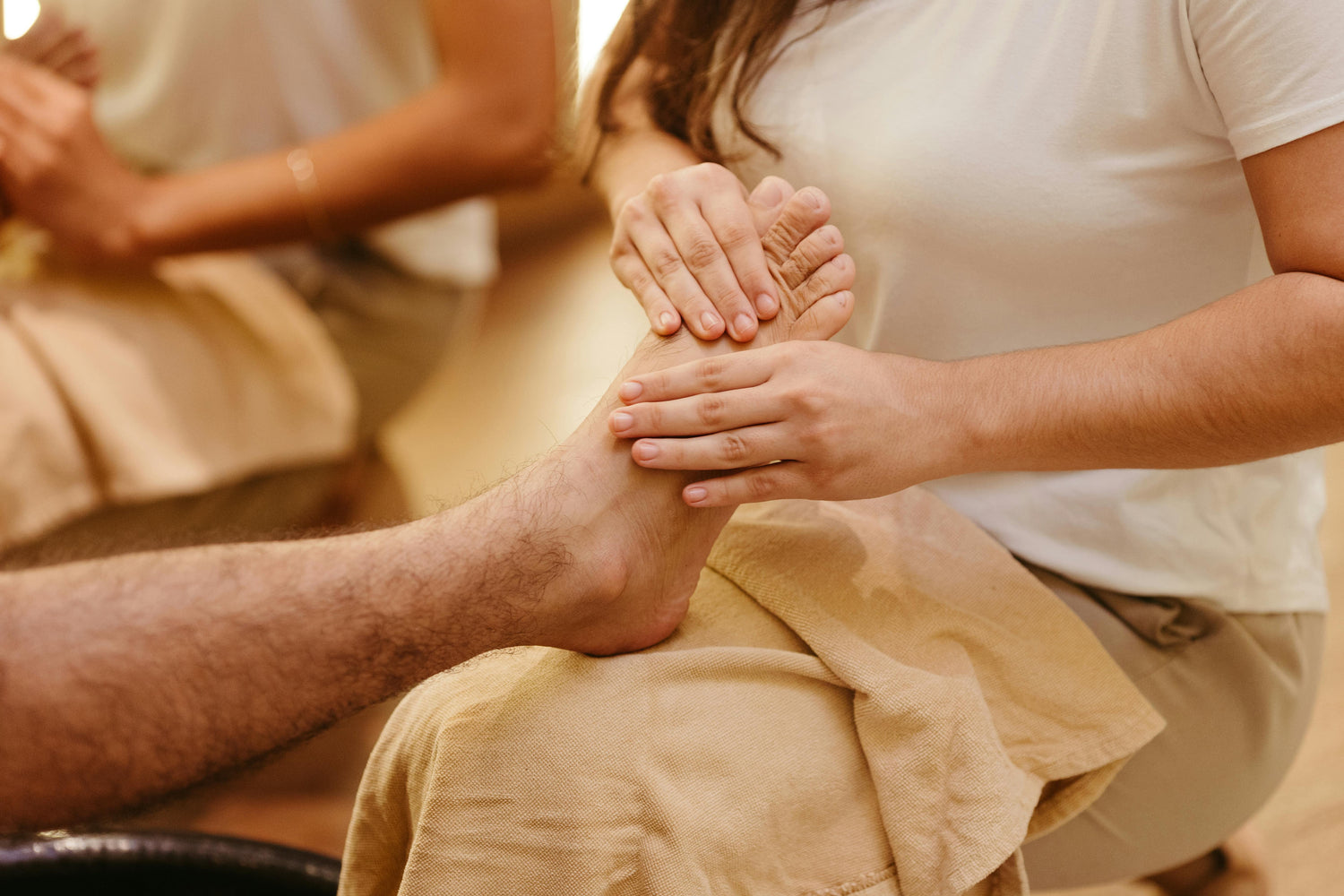
Foot massage for elderly adults helps maintain circulation, reduce swelling, ease joint pain, and improve balance by stimulating blood flow and muscle activity in the feet and lower legs. As people age, circulation naturally slows and the soft tissue of the foot loses elasticity, making regular massage especially beneficial. Gentle oscillating foot massage can be done daily at home and is generally safe for older adults, though those with diabetes, peripheral neuropathy, or open wounds should consult a physician first.
The feet take a lifetime of wear. By the time most people reach their 60s and 70s, decades of standing, walking, and bearing weight have left the soft tissue thinner, the joints stiffer, and circulation noticeably slower. Foot massage for elderly adults is one of the most practical, low-effort interventions available — not because it promises miracles, but because it directly addresses the physical changes that make aging feet uncomfortable. This post covers why older feet need extra attention, how massage works at a physiological level, what to look for in a foot massager designed for aging users, and how to build a safe, effective routine.
Why Aging Feet Need More Support
Older feet aren't just tired feet. They're structurally and physiologically different from younger feet in ways that compound over time.
The Physical Changes That Happen With Age
The fat padding that cushions the ball and heel of the foot naturally thins as we age. This padding, called the plantar fat pad, absorbs impact during every step — and once it diminishes, walking on hard surfaces becomes genuinely more painful. Tendons and ligaments also lose elasticity with age, which limits range of motion in the ankle and toes and makes the foot more vulnerable to strain.
Skin on the feet becomes drier and less resilient, reducing its ability to protect underlying tissue. Nails thicken and grow more slowly. These changes are normal, but they create conditions where foot problems develop more easily and heal more slowly.
Circulation Slows With Age
Peripheral circulation — the movement of blood through the hands and feet — naturally declines with age. The heart may pump less efficiently, arterial walls stiffen, and smaller blood vessels become less responsive. The feet, being the furthest point from the heart, feel this most acutely.
Poor circulation in older adults contributes to cold feet, swelling (edema), slower wound healing, and increased susceptibility to infection. Cardiovascular changes associated with aging include reduced cardiac output and increased arterial stiffness, both of which affect peripheral blood flow.
Balance, Sensation, and Fall Risk
The feet contain a dense network of sensory receptors — mechanoreceptors — that constantly send information to the brain about balance, ground contact, and body position. With age, these receptors become less sensitive, contributing to reduced proprioception (the body's sense of where it is in space).
Falls are the leading cause of injury-related death among adults 65 and older, according to the CDC. Impaired foot sensation is a recognized contributor to fall risk. Regular foot stimulation, including massage, has been studied as a way to activate these receptors and support sensory awareness in the feet.
- Thinning plantar fat pads — less cushioning with every step
- Reduced ankle and toe range of motion from tendon stiffness
- Slower peripheral blood flow to the lower extremities
- Decreased skin integrity and slower wound healing
- Reduced mechanoreceptor sensitivity, affecting balance
- Higher rates of chronic conditions including diabetes and arthritis
How Foot Massage Helps Elderly Adults
Foot massage isn't simply soothing. It has specific physiological effects that are particularly valuable for aging feet.
Stimulating Circulation in the Lower Extremities
When the muscles of the foot and calf are activated through massage, they contract and relax in ways that push blood back toward the heart. This is the same mechanism that makes walking so effective for circulation — the calf acts as a secondary pump. For older adults who are sedentary for extended periods, foot massage provides a form of passive circulatory stimulation.
Oscillating foot massage applies rhythmic movement across the entire plantar surface of the foot. This repeated muscle activation helps keep blood flowing through the feet when natural movement is limited — a meaningful benefit for older adults who spend long hours seated or have mobility restrictions.
Reducing Swelling and Edema
Foot and ankle swelling is common in older adults and can result from prolonged sitting, venous insufficiency, heart conditions, or certain medications. Gentle massage encourages lymphatic drainage and venous return — the movement of fluid and blood back toward the core. Research in geriatric care has consistently found that lower limb massage reduces measurable edema in older populations.
For elderly adults managing mild to moderate edema, a daily foot massage routine can help prevent fluid from accumulating over the course of the day, particularly in the hours after sitting for long periods.
Easing Arthritis and Joint Discomfort
Osteoarthritis affects the small joints of the foot and ankle in a significant portion of older adults. It causes morning stiffness, aching during movement, and tenderness around the joint margins. While massage does not reverse cartilage loss, it increases local blood flow to surrounding tissue and helps loosen the muscles that support those joints.
Gentle oscillating motion is particularly useful here because it doesn't require deep pressure that might aggravate inflamed joints. It works through the soft tissue surrounding the joint to improve circulation and reduce the muscular tension that worsens joint pain.
Sensory Stimulation and Balance Support
By activating the mechanoreceptors in the sole of the foot, foot massage provides sensory input that may help maintain proprioceptive function. Studies in physiotherapy research have examined foot stimulation as a component of fall-prevention programs in older adults, finding that regular tactile input to the plantar surface can improve balance confidence and postural stability.
This makes foot massage not just a comfort measure but a potentially functional one — especially for elderly adults who are in fall-risk categories.
Choosing a Foot Massager for Older Adults
Not every foot massager is appropriate for elderly users. Older adults have specific needs — thinner skin, more sensitive joints, higher rates of chronic conditions — that should shape the selection process.
What to Look For
The most important factor is adjustability. A foot massager that delivers a single fixed intensity may be too aggressive for elderly users with thinning plantar tissue or peripheral sensitivity issues. Variable speed settings allow the user to start very gently and increase only as comfort allows.
Oscillating massagers — which use a broad, sweeping motion rather than sharp percussion — are generally better suited to older adults. The motion is gentler on joints, distributes pressure more evenly across the foot, and can be used for longer sessions without causing soreness. MedMassager's therapeutic foot massagers use oscillating technology with a wide speed range, making them adjustable to individual sensitivity levels.
Ease of Use Matters for Elderly Users
For older adults with arthritis in the hands, bending limitations, or reduced dexterity, the physical design of the massager matters as much as its therapeutic output. Look for:
- A low-profile design that doesn't require lifting or repositioning during use
- Simple, accessible controls — a single dial or large button is easier than a multi-button panel
- A non-slip base that stays stable on the floor without the user needing to hold it
- Enough surface area to comfortably accommodate a full adult foot
- Quiet operation — particularly important for users with hearing aids or sensory sensitivities
Safety Considerations for Specific Conditions
Many older adults are managing conditions that require extra caution with any foot massager. People living with diabetes need to inspect their feet carefully before and after use, as reduced sensation (diabetic peripheral neuropathy) can make it difficult to detect pressure-related irritation. Intensity should remain low to avoid skin irritation on fragile tissue.
Elderly adults with deep vein thrombosis (DVT), active blood clots, or open wounds on the feet should not use a foot massager without medical clearance. Those with severe peripheral arterial disease should also consult their physician. These are non-negotiable precautions, not optional suggestions.
Building a Safe Routine for Older Adults
Consistency matters more than intensity. A gentle, daily routine will deliver more cumulative benefit than an occasional aggressive session.
When and How Often
For most elderly adults, 15 to 20 minutes once daily is an effective and safe target. Evening use — after the day's walking and sitting — can help reduce swelling that has accumulated throughout the day and may support more comfortable sleep. Morning use works well for users whose feet are stiffest first thing, helping warm up the tissue before they start moving.
New users, especially those with sensitive feet, should begin with two to three sessions per week at the lowest intensity setting. Increase frequency and intensity gradually over two to four weeks as the feet adapt.
Step-by-Step Routine
- Inspect the feet first. Before every session, visually check both feet for cuts, blisters, redness, or swelling changes. This is especially critical for diabetic users.
- Sit in a supportive chair. Choose a chair with armrests and good back support. Your feet should rest flat on the massager surface without you needing to lean forward or strain.
- Start at the lowest speed. Begin the session at the lowest intensity setting and allow two to three minutes for the feet to acclimate to the motion.
- Run for 10 to 20 minutes. Most users find 15 minutes optimal. Stop immediately if you feel pain, numbness, or increased discomfort.
- Rest briefly after the session. Sit still for two to three minutes before standing to allow blood pressure to stabilize, reducing lightheadedness when rising.
- Moisturize after use. Apply a foot cream or lotion to take advantage of the increased circulation — absorption is improved when blood flow to the skin is elevated.
Pairing Foot Massage With Other Habits
Foot massage works best as part of a broader approach to foot health in older adults. Pairing it with regular, gentle walking (if mobility allows), appropriate footwear, and periodic podiatry visits creates compounding benefit. Staying well hydrated also supports circulation, since blood viscosity increases with dehydration.
For older adults who are largely sedentary due to mobility limitations, an oscillating foot massager can serve as a meaningful daily supplement to the movement their feet aren't getting from walking.
Diabetes, Neuropathy, and Caregiver Use
Elderly Adults With Diabetes
Diabetes is one of the most common chronic conditions in older populations, and it significantly affects foot health. Elevated blood glucose damages nerves and blood vessels over time, leading to peripheral neuropathy (numbness, tingling, burning) and reduced circulation. Both make the feet vulnerable to undetected injuries.
Foot massage is not contraindicated for most people living with diabetes, but it requires careful monitoring. Oscillating massage at low intensity helps keep blood moving through the feet — an important benefit for those with diabetic circulation challenges. Keep sessions under 20 minutes and check the feet carefully after each session for any signs of redness or irritation.
Managing Neuropathy Symptoms
Peripheral neuropathy — whether diabetes-related or from other causes — is common in older adults and often involves uncomfortable sensations in the feet: burning, tingling, electric-shock feelings, or paradoxical pain despite reduced sensation. Many people living with neuropathy find that gentle, consistent sensory stimulation helps interrupt these sensation patterns.
Improved circulation also supports nerve tissue health, which makes oscillating massage relevant beyond comfort alone. MedMassager's foot massagers for neuropathy are built for people managing this condition, with a wide speed range that accommodates significant sensory sensitivity.
Caregiver-Assisted Foot Massage
For elderly adults who cannot safely operate a foot massager independently — due to cognitive decline, severe mobility limitations, or balance issues — caregiver-assisted use is a practical option. A caregiver can position the device, set the appropriate intensity, and monitor the session while the older adult remains comfortably seated.
Manual caregiver massage is also effective and requires no equipment. Simple techniques — gentle effleurage (long stroking movements) from the toes toward the ankle, mild circular pressure on the arch, and gentle range-of-motion movement of the ankle — can be performed safely by a family member or home health aide with minimal training.
Frequently Asked Questions
Is foot massage safe for elderly people every day?
Daily foot massage is generally safe for most older adults when done at a gentle intensity and for a moderate duration of 15 to 20 minutes. Those with diabetes, peripheral vascular disease, deep vein thrombosis, or open foot wounds should consult a physician before starting a regular routine. Starting with two to three sessions per week and increasing gradually is a sensible approach for new users.
Can foot massage help with swollen ankles in older adults?
Gentle foot and lower leg massage can support venous return and lymphatic drainage, which may help reduce mild to moderate swelling in the feet and ankles. It is most effective when done consistently and paired with elevating the legs after sessions. Swelling caused by heart failure, kidney disease, or blood clots requires medical evaluation — massage is not a substitute for diagnosis and treatment of underlying conditions.
How long should an elderly person use a foot massager?
Most elderly adults benefit from sessions of 15 to 20 minutes. New users should start with 10-minute sessions at the lowest intensity to allow the feet to acclimate, particularly if they have thinner skin or reduced sensation. Sessions beyond 30 minutes provide diminishing returns for most users and may cause temporary soreness.
What are the benefits of foot massage for people with arthritis?
Foot massage can help reduce muscular tension surrounding arthritic joints, increase local blood flow to stiff soft tissue, and ease the morning stiffness that is characteristic of osteoarthritis. It does not reverse joint damage or rebuild cartilage, but consistent massage supports the circulation and muscle flexibility that make arthritic feet more comfortable during daily activity.
Can foot massage improve balance in elderly adults?
Research in physiotherapy has explored foot stimulation as a tool for improving proprioceptive function — the sensory awareness that supports balance. By activating mechanoreceptors in the sole of the foot, regular massage provides sensory input that may help maintain postural stability. Foot massage alone is not a fall-prevention program, but it can be a complementary component of a broader balance and mobility strategy.
Should elderly diabetics use a foot massager?
Many older adults with diabetes can safely use a foot massager at low intensity, with careful foot inspection before and after each session. Because diabetes can reduce sensation in the feet, it is easy to miss pressure-related irritation during a session, making visual checks essential. Anyone with active foot ulcers, open wounds, or severe peripheral arterial disease should get medical clearance before use.
What type of foot massager is best for elderly users?
Oscillating foot massagers with adjustable speed settings are generally most appropriate for older adults because the motion is gentle on joints, distributes pressure across the full plantar surface, and is easy to customize to individual sensitivity. Simple controls, a stable non-slip base, and a low-profile design are important practical features for users with limited dexterity or bending ability.
The Bottom Line
Foot massage for elderly adults addresses real, measurable physiological changes — reduced circulation, thinner tissue, stiffer joints, and declining sensory function — that make aging feet uncomfortable and vulnerable. It isn't a cure for any of these changes, but consistent, gentle stimulation delivers genuine circulatory and sensory benefits that compound over time.
The key is choosing the right approach: low intensity to start, short sessions that gradually extend, careful attention to any underlying conditions, and a design that an older adult can actually use independently and comfortably. MedMassager's therapeutic foot massagers are FDA-registered Class I medical devices built with a wide speed range that accommodates the full spectrum of sensitivity levels — from post-surgical tenderness to everyday aging-related discomfort.
If foot discomfort is affecting an older adult's mobility, sleep, or quality of daily life, a regular foot massage routine is one of the lowest-risk, most accessible interventions available. Start slowly, stay consistent, and consult a physician for any condition that warrants it.
This content is for informational purposes only and is not intended as medical advice, diagnosis, or treatment. Always consult a qualified healthcare professional before starting any new treatment or therapy. MedMassager products are FDA-registered Class I medical devices.


