
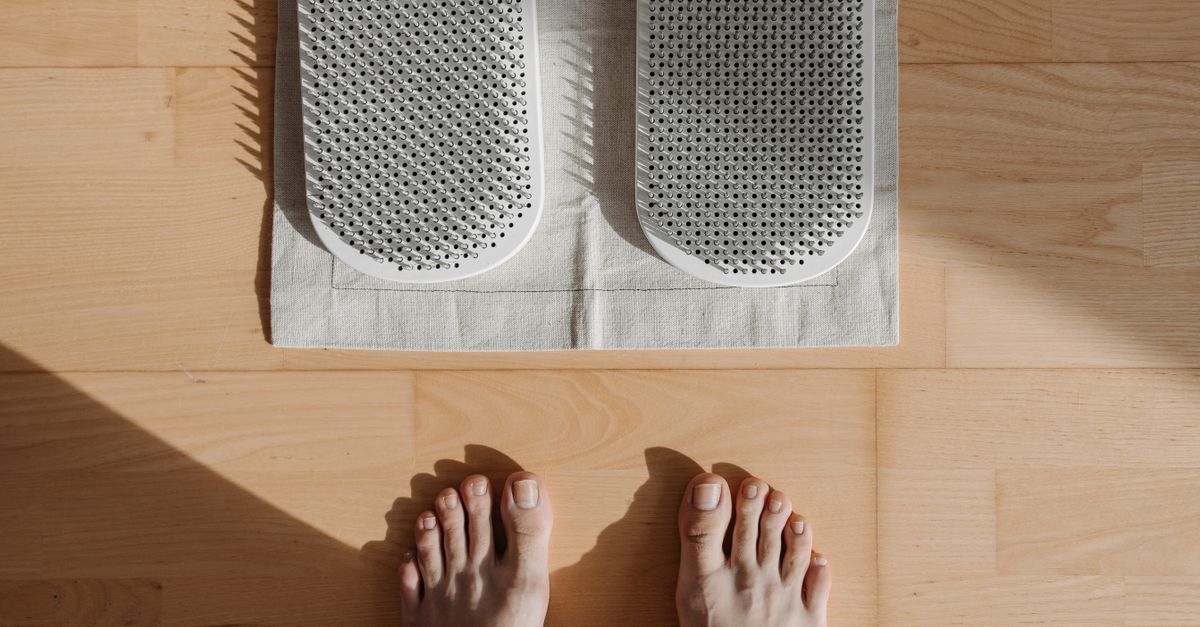
Yes, you can use a foot massager too much — overuse can lead to soreness, skin irritation, or aggravated inflammation, particularly when sessions are too long or the intensity is too high. For most healthy adults, one to two daily sessions of 15 to 30 minutes each is a reasonable upper limit. Certain groups — including people managing diabetes, neuropathy, active inflammation, or deep vein thrombosis risk — should consult a physician before establishing any regular foot massager routine, because reduced sensation or vascular conditions can make overuse harder to detect and potentially more harmful.
You finally found something that actually helps your feet feel better — and now you're wondering if you can have too much of a good thing. It's a fair question. If 20 minutes of foot massage leaves you feeling great, does 60 minutes feel three times better? Almost certainly not. Knowing how to use a foot massager safely matters just as much as knowing how to use one effectively. This post covers the signs that you may be overdoing it, the populations who need to be especially cautious, and what sensible daily use actually looks like so you get the benefit without the setback.
What Happens With Foot Massager Overuse
Overuse isn't always dramatic. It rarely means one catastrophic session — more often it's a pattern of slightly-too-long, slightly-too-intense use that accumulates over days. Understanding what's actually happening in your tissue helps explain why more isn't always better.
Muscle and Soft Tissue Fatigue
Therapeutic massage — including oscillating foot massage — works by stimulating blood flow, loosening fascia, and activating the muscles of the foot and lower leg. That stimulation creates a mild mechanical stress on soft tissue. In appropriate doses, your body responds positively: circulation improves, tension releases, and discomfort eases.
Extended or repeated sessions without adequate rest push past that productive threshold. Muscles and connective tissue need recovery time, the same way they do after exercise. Overworked soft tissue can become sore, inflamed, or hypersensitive — the opposite of the relief you were looking for.
Skin Irritation and Surface Sensitivity
Prolonged mechanical contact with any surface — even a well-designed massager platform — can cause skin irritation, redness, or bruising, particularly on bony prominences like the heel or the ball of the foot. People with thinner or more fragile skin are at higher risk. If you're noticing redness that doesn't fade within 20 to 30 minutes after a session, that's a signal to shorten your next one.
Aggravated Inflammation
Conditions like plantar fasciitis, tendonitis, and heel spurs involve inflamed tissue. During an active flare — when the area is hot, swollen, and acutely painful — mechanical stimulation can intensify inflammation rather than relieve it. The standard guidance for acute inflammation is rest, not massage.
Once the acute phase subsides, oscillating motion can help by keeping blood moving through the foot instead of settling during rest. But timing matters. More sessions during a flare is the wrong direction.
Signs You're Overdoing Foot Massager Sessions
Your feet are reasonably good at communicating when something isn't right — if you pay attention. These are the clearest signals that your usage needs to be dialed back:
- Increased soreness after sessions: Some mild post-session relaxation is normal. Aching or tenderness that lasts hours or into the next day suggests tissue is being overworked rather than relieved.
- Redness or skin irritation that lingers: Surface redness persisting more than 30 minutes after use indicates excessive friction or pressure duration. Reduce session length and check that you're not running the highest intensity setting for extended periods.
- Heightened sensitivity: If your feet feel more sensitive or tender at rest than they did before you started using the massager regularly, you may be stimulating the tissue more than it can recover from between sessions.
- Swelling that worsens: Any increase in foot or ankle swelling after massager use — rather than improvement — warrants stopping and consulting a physician. Swelling can have circulatory or vascular causes that massage may aggravate.
- Tingling, numbness, or pain during use: Discomfort beyond mild pressure during a session is a signal to stop. Tingling or numbness that isn't a pre-existing condition deserves medical attention before continuing.
The pattern to watch for: if you feel noticeably worse after sessions than before them, that's a clear sign to reduce frequency, intensity, or both — and check with your doctor if symptoms persist.
Who Needs Extra Caution With Foot Massagers
For most healthy adults, the consequences of minor overuse are temporary discomfort. For certain populations, the stakes are higher. If you fall into any of the categories below, a conversation with your physician before establishing a regular foot massager routine is the right starting point — not an optional step.
Diabetes and Peripheral Neuropathy
People managing diabetes or peripheral neuropathy often experience reduced sensation in their feet. This is what makes overuse particularly risky: the normal feedback loop — pain or discomfort telling you to stop — is compromised or absent. You may not feel skin irritation, excessive pressure, or tissue damage until it has already occurred.
That doesn't mean therapeutic foot massagers are off-limits for this group. Many people living with diabetic neuropathy use them regularly and benefit from the improved circulation. Repeated foot motion activates the calf muscles, pushing blood upward instead of letting it pool in the feet. Session length, intensity, and foot inspection after every session matter far more than they would for someone with full sensation — and physician guidance is essential before starting.
A range of therapeutic foot massagers with adjustable intensity settings can help this group start conservatively and increase gradually, with medical sign-off.
Active Inflammation and Open Wounds
During an acute inflammatory phase of plantar fasciitis, tendonitis, or any injury where tissue is acutely swollen or painful, foot massager use should generally pause. Massage introduces mechanical force into tissue that is already responding to injury — adding more stimulus during this phase is likely to prolong it. Once acute inflammation has resolved, gentle oscillating use can resume, starting with shorter sessions at lower intensity.
Open wounds, sores, or skin infections on the foot are an absolute contraindication. No massager contact with broken skin.
Deep Vein Thrombosis Risk
Deep vein thrombosis — the formation of a blood clot in the deep veins of the leg — is a serious condition where massage carries genuine risk. Mechanical stimulation over a DVT area could theoretically dislodge a clot, with potentially dangerous consequences. If you have a known or suspected DVT, or a history of blood clots in the legs, do not use a foot massager without explicit physician clearance. This applies regardless of how mild the device or how short the session.
Pregnancy
Specific acupressure points in the feet and ankles are traditionally cautioned against during pregnancy. The research on whether mechanical foot massage triggers the same response is limited, but the conservative approach is to consult your OB or midwife before using any therapeutic foot massager regularly.
What Safe Daily Use Actually Looks Like
The goal is to find the frequency and duration that delivers consistent benefit without pushing into diminishing returns. For most healthy adults, that range is well-established.
Session Length and Frequency
One to two sessions per day, each lasting 15 to 30 minutes, is a reasonable baseline for regular therapeutic use. Starting on the shorter end — 10 to 15 minutes — makes sense when you're first introducing a massager into your routine, giving your tissue time to adapt before you extend duration.
Most people find a single daily session is plenty. A second session in the evening — for those who do extended standing or walking — is reasonable, but two sessions should be the ceiling for most days, not the floor.
Intensity Settings
Higher intensity is not always better. Starting at a lower or medium speed and working up to what feels therapeutic — not uncomfortable — is the right approach. If you're using an oscillating foot massager with variable speed settings, a mid-range setting for 15 to 20 minutes will typically produce better results than maximum intensity for 45 minutes.
MedMassager's Foot Massager uses oscillating technology to deliver deeper, more controlled vibration than conventional massagers — which means the effective therapeutic range doesn't require the highest speed. Continuous oscillation keeps blood flowing through the foot instead of settling during rest, and that's the mechanism driving the benefit, not raw intensity.
Rest Days and Recovery
There's no rule requiring daily use. For people managing chronic conditions, consistent daily sessions often make sense. For general soreness or activity recovery, a pattern of five days on and two days off is appropriate — and gives tissue a chance to respond to the stimulus rather than constantly receive it.
- Consistent aching after sessions? Take a day off before resuming.
- Feet feel fine after each session? Continue at current frequency.
- Sessions feel like they're doing less over time? A brief break may restore responsiveness.
How to Build a Safe Foot Massager Routine
Starting thoughtfully is easier than recovering from overuse. These steps help you establish a routine that delivers consistent benefit without setback:
- Start with 10–15 minutes at low or medium intensity. Give your feet — and your tissue — time to adapt before increasing duration or speed. Most therapeutic benefit occurs well within this window.
- Inspect your feet before and after each session. This is especially important for people with diabetes or neuropathy, where sensation may not reliably signal a problem. Look for redness, irritation, or skin changes.
- Stop if something feels wrong during a session. Discomfort beyond mild pressure — sharp pain, tingling, or numbness — is a signal to stop, not push through.
- Build up gradually. If 15-minute sessions feel comfortable for a week, extending to 20–25 minutes is a reasonable next step. Don't jump to maximum duration on day one.
- Cap daily sessions at two. Even on high-demand days, two sessions with adequate time between them is the sensible ceiling for most people.
- Consult your physician if you have any of the conditions listed above. For the caution groups, this is the prerequisite to safe use — not an afterthought.
The MedMassager Foot Massager collection includes models with variable speed controls that make it straightforward to start low and adjust as you establish your routine. For people managing specific conditions, those adjustable settings are what allow therapeutic use to stay within a safe range.
When to Stop and See a Doctor
Most overuse scenarios resolve quickly with a short break and a reduction in intensity. Some situations, though, call for a physician rather than self-management.
Stop use and consult a doctor if you experience:
- Swelling that increases rather than decreases after sessions
- Persistent numbness or tingling that is new or worsening
- Skin breakdown, open areas, or slow-healing irritation
- Pain during use that doesn't resolve with reduced intensity or shorter sessions
- Any sudden change in foot sensation, color, or temperature
These symptoms may point to an underlying vascular, neurological, or inflammatory condition that needs clinical evaluation — not more massage. A physical therapist or podiatrist can also help you calibrate an appropriate foot massager routine for your specific situation.
Frequently Asked Questions
How long should a foot massager session last?
For most healthy adults, 15 to 30 minutes per session is the effective and safe range. Starting with 10 to 15 minutes is advisable when first introducing a therapeutic foot massager into your routine, allowing time for your tissue to adapt before extending sessions. Longer sessions are not necessarily more beneficial and can lead to soreness or skin irritation.
Is it safe to use a foot massager every day?
Daily use is appropriate for most healthy adults, provided sessions stay within a reasonable length and intensity. One session per day at moderate intensity is a sustainable baseline for general therapeutic use. People managing conditions like diabetes, neuropathy, or circulatory disorders should get physician guidance on frequency before establishing a daily routine.
Can a foot massager make foot pain worse?
Yes, in certain situations. Using a foot massager during an acute inflammatory flare — when tissue is actively swollen and painful — can intensify inflammation rather than relieve it. Overuse across multiple sessions can also create soreness and soft tissue fatigue that temporarily worsens discomfort. If foot pain increases consistently after sessions, reduce intensity and duration, and consult a physician if the pattern continues.
Should people with diabetes use a foot massager?
People managing diabetes can often use a therapeutic foot massager beneficially, but they should consult their physician before starting. Reduced sensation from diabetic neuropathy means that the normal discomfort signals that prevent overuse may be absent, making it easier to cause skin irritation or tissue damage without realizing it. Post-session foot inspection is essential for this group.
Can you use a foot massager if you have a blood clot?
No — if you have a known or suspected deep vein thrombosis or a history of blood clots in the legs, do not use a foot massager without explicit physician clearance. Mechanical stimulation in the area of a DVT carries a risk of dislodging the clot, which can have serious consequences. This contraindication applies regardless of device type or session length.
What are the signs of overusing a foot massager?
Common signs include persistent soreness after sessions, skin redness that doesn't fade within 30 minutes, increased sensitivity in the feet at rest, and swelling that worsens rather than improves. If sessions consistently leave you feeling worse than before, reduce frequency, shorten duration, or lower intensity — and check with a physician if symptoms don't resolve.
Can I use a foot massager twice a day?
Two sessions per day can be appropriate for healthy adults, particularly on days involving extended standing or physical activity, but it should be treated as a ceiling rather than a routine target. Each session should remain within the 15 to 30 minute range, with adequate time between sessions for tissue to recover. If two daily sessions consistently leave you sorer than one, scale back.
The Bottom Line on Foot Massager Safety
The question of whether you can use a foot massager too much has a clear answer: yes, but it's avoidable with some basic awareness. One or two daily sessions of 15 to 30 minutes, at a comfortable intensity, is where most healthy adults find reliable benefit without the setback of overuse. The signs that you're overdoing it — lingering soreness, skin irritation, worsening sensitivity — are readable if you pay attention to them.
For people managing diabetes, neuropathy, active inflammation, or DVT risk, the same principles apply with tighter margins and a physician in the loop before starting. Reduced sensation, vascular complexity, or compromised tissue all change what safe use looks like — and that's a clinical conversation, not a guessing game.
When used thoughtfully, a therapeutic foot massager is a consistently effective tool for managing daily discomfort and supporting circulation. Explore the full range of MedMassager therapeutic foot massagers — each designed with variable speed controls so you can find exactly the right intensity for your needs. If you're also dealing with tension in the back, shoulders, or neck, the MedMassager Body Massager collection and the Neck Massager with built-in heat bring the same approach to those areas.
This content is for informational purposes only and is not intended as medical advice, diagnosis, or treatment. Always consult a qualified healthcare professional before starting any new treatment or therapy. MedMassager products are FDA-registered Class I medical devices.


