
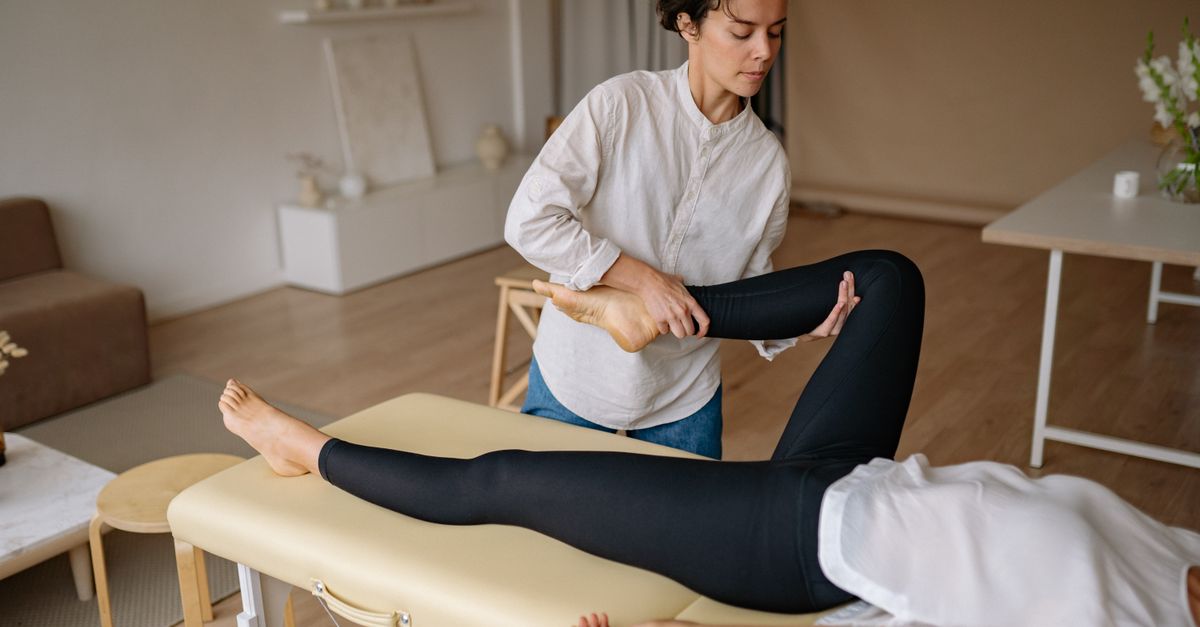
Glute massage techniques target the three gluteal muscles — gluteus maximus, gluteus medius, and gluteus minimus — using a combination of hands-on methods and tool-based approaches to relieve tightness and restore blood flow. Effective techniques include sustained pressure, cross-fiber friction, and oscillating massage applied directly to each muscle's bulk and attachment points. Prolonged sitting is the most common driver of gluteal tightness because it compresses the muscle tissue for hours at a time while limiting natural movement. Regular massage, stretching, and therapeutic tools can help address accumulated tension before it affects posture, hip mobility, or lower back comfort.
If your hips feel locked up after a full day at a desk, or your lower back starts aching on the drive home even though your back didn't do anything, your glutes are often the real source. Most people ignore the gluteal muscles until something else starts hurting. The glutes are among the largest and most force-absorbing muscles in the body, and they spend a significant portion of the average workday compressed under bodyweight with almost no movement to speak of. Knowing which muscle you're targeting — and how to actually reach it — makes a meaningful difference in how effective glute massage techniques are. This guide covers all three gluteal muscles, why desk time drives tightness, and the full range of hands-on and tool-based techniques for addressing it.
Why Prolonged Sitting Tightens Your Glutes
The glutes don't sit passively during prolonged sitting — they're actively compressed, restricted from blood flow, and slowly inhibited from functioning the way they should. Understanding what's actually happening in the tissue explains why massage helps and what you're trying to fix.
What Happens to Muscle Tissue Under Sustained Compression
When you sit for extended periods, the full weight of your torso bears down on the gluteal muscles against the seat surface. This sustained compression restricts local circulation, reducing the oxygen and nutrient supply to muscle fibers while metabolic byproducts accumulate. Over time, this creates the characteristic stiffness and heaviness people feel after hours at a desk.
Research on prolonged sitting consistently links sedentary time to reduced muscle tissue quality and impaired circulation in the lower body. The gluteal region is particularly vulnerable because the muscles are both large — meaning more tissue is affected — and positioned directly under load during seated posture.
Gluteal Inhibition: When the Muscles Forget to Fire
Beyond simple tightness, extended sitting can contribute to what movement specialists call gluteal inhibition — a pattern where the glutes progressively underfire during movement because they've spent so long in a shortened, compressed state. When the glutes aren't contributing fully during walking, climbing stairs, or standing from a seated position, surrounding muscles like the hip flexors, hamstrings, and lower back extensors compensate. That compensation is a common pathway to hip and back discomfort that seems disconnected from the glutes themselves.
The Three Gluteal Muscles and Where Tightness Accumulates
Most people think of the glutes as one muscle, but the gluteal group has three distinct layers with different functions and different tightness patterns:
- Gluteus maximus: The largest and most superficial of the three. Primary mover for hip extension — standing up, climbing, pushing forward during walking. Tightness here creates a deep, broad ache across the entire buttock and can pull on the lower back.
- Gluteus medius: Located on the outer hip, just above and lateral to the maximus. Responsible for hip abduction and stabilizing the pelvis during single-leg movements. Tightness here often presents as hip pain that wraps around to the side, or a hiking sensation in the pelvis when walking.
- Gluteus minimus: The deepest and smallest of the three, sitting beneath the medius. Assists in hip abduction and internal rotation. Because it's deeper, it's harder to reach with surface pressure but responds well to sustained compression techniques.
Hands-On Glute Massage Techniques
Hands-on work is the most accessible starting point for gluteal massage. You don't need a therapist for all of it — several effective techniques are easy to perform on yourself with the right positioning.
Effleurage: Starting Broad Before Going Deep
Effleurage refers to long, sweeping strokes used to warm the tissue and increase surface circulation before applying deeper pressure. For the glutes, this typically means using the heel of the palm or a flat hand across the full gluteal region in slow, overlapping passes. Start at the top of the hip crest and sweep downward and outward toward the sit bone.
This initial phase matters because diving straight into deep compression on cold, compressed tissue often creates guarding — the muscle tenses in response to pressure before it's ready to release. Two to three minutes of broad effleurage prepares the tissue for more specific work.
Sustained Pressure and Trigger Point Compression
Once the tissue is warmed, sustained compression on specific tender points is one of the most effective hands-on techniques for the gluteus maximus and medius. Using the thumb, knuckle, or elbow (with appropriate pressure control), locate a point of concentrated tightness and hold steady pressure for 20–45 seconds. The discomfort should be present but tolerable — the classic "hurts good" sensation — not sharp or radiating.
Common locations for concentrated tension in the gluteus maximus include the mid-belly of the muscle (center of the buttock) and the inferior fibers near the sit bone. For the gluteus medius, pressure points tend to cluster along the outer edge of the hip, roughly below the iliac crest.
Cross-Fiber Friction for the Gluteus Medius
Cross-fiber friction involves applying firm pressure perpendicular to the direction of the muscle fibers rather than along them. This technique is particularly useful for the gluteus medius, whose fibers run diagonally from the iliac crest toward the greater trochanter of the femur.
To perform cross-fiber friction: position your thumb or reinforced fingers on the outer hip, apply moderate-to-firm pressure, and move the tissue side to side across the fiber direction rather than up and down. Short, deliberate strokes of about 1–2 cm work best. Spend 30–60 seconds on any area that feels particularly resistant.
Self-Massage Positioning
Reaching the glutes for self-massage requires positioning that relaxes the target muscle while giving your hands access. A few reliable options:
- Seated lean: Sit on the edge of a firm chair, cross one ankle over the opposite knee, and lean slightly toward the crossed-leg side. This externally rotates the hip and stretches the gluteus maximus and minimus, making them easier to access with thumb pressure from behind.
- Side-lying: Lie on your side with the top hip slightly flexed. The gluteus medius is more accessible from this position using fingertip pressure along the outer hip.
- Standing against a wall: Stand facing away from a wall and press the back of your hip into it while using your hands to work the mid-gluteal tissue.
Tool-Based Glute Massage
Tools extend what hands alone can achieve — particularly for the larger muscle bulk of the gluteus maximus, where sustaining manual pressure long enough to make a difference is genuinely difficult. Each tool type has a different best use case for gluteal work.
Foam Rolling for Broad Coverage
A foam roller is the most common tool for gluteal massage and works well for the gluteus maximus across its broad surface area. Sit on the roller, cross one ankle over the opposite knee, and shift your weight toward the crossed side. Slowly roll from the base of the spine toward the sit bone, pausing for 3–5 seconds at any area that feels particularly tight before continuing.
Foam rolling increases surface circulation and helps release broad areas of superficial tension. It's less effective for reaching the deeper gluteus minimus or for precise trigger point work — that's where a firmer, smaller tool performs better.
Lacrosse Ball and Massage Ball Techniques
A firm massage ball or lacrosse ball allows more targeted compression than a foam roller and is especially useful for finding and holding pressure on specific tight spots within the gluteus maximus and medius. Place the ball against a wall and position the affected hip against it, or sit on it on the floor and let gravity provide the compression.
The advantage of a ball over foam rolling is precision: you can isolate a specific point and hold sustained pressure rather than moving continuously. This makes it well-suited for the trigger point compression technique described in the hands-on section above.
Using a Therapeutic Body Massager on the Glutes
For the gluteus maximus specifically, the sheer muscle bulk makes it one of the best candidates in the lower body for a therapeutic body massager. Manual thumb pressure is difficult to sustain at the depth and duration needed to work through a large, dense muscle. A therapeutic massager delivers consistent, repeatable pressure without fatigue.
The MedMassager Body Massager uses oscillating technology to deliver deep, controlled vibration into muscle tissue rather than surface-level percussion. Oscillation penetrates deep muscle layers, increasing local blood flow in muscles affected by prolonged sitting — which is exactly the mechanism at work in compressed gluteal tissue after desk time. Apply the massager head directly to the mid-belly of the gluteus maximus using slow, overlapping passes, similar to the effleurage technique but with the tool doing the sustained work. Adjust speed based on tolerance — lower settings for initial work, higher settings as the tissue warms and releases.
The gluteus medius on the outer hip responds well to localized application of the massager head at the lateral hip, just below the iliac crest. Because this area is bony and close to the hip joint, keep the tool on the muscular tissue and avoid pressing directly onto bone.
A Practical Glute Massage Routine
The most effective approach combines a warm-up phase, targeted pressure work, and a finishing stretch. This sequence takes roughly 10–15 minutes per side and can be done after a workday, after exercise, or as part of a regular evening routine.
- Warm the tissue (2–3 minutes): Begin with broad effleurage using the palm across the full gluteal region, or use a body massager on a low setting in slow sweeping passes. This step should not be skipped — it prepares the tissue for deeper work.
- Foam roll the gluteus maximus (2–3 minutes per side): Sit on the roller with one ankle crossed over the opposite knee. Shift weight toward the target side and roll slowly from the base of the spine toward the sit bone. Pause 3–5 seconds on tender spots.
- Ball or thumb pressure for trigger points (3–5 minutes): Identify 2–3 concentrated tender spots in the gluteal region and apply sustained pressure for 20–45 seconds each. Use a ball on the floor or wall, or use reinforced thumb pressure in a seated position.
- Cross-fiber friction on the gluteus medius (1–2 minutes): Work along the outer hip below the iliac crest with short perpendicular strokes. Focus on any areas that feel ropey or particularly resistant to pressure.
- Therapeutic massager on gluteus maximus (3–5 minutes): Apply the Body Massager with overlapping slow passes across the full muscle belly. Let the oscillating action work into the deeper fibers. This step is most effective after the tissue has been warmed by the prior steps.
- Finish with a stretch: End with a figure-four or piriformis stretch held for 30–60 seconds per side. Massage increases tissue extensibility — following up with a stretch takes advantage of the relaxed state of the muscle.
How Often and How Much Pressure
Frequency and intensity both matter for gluteal massage to be effective rather than just uncomfortable.
How Often to Massage the Glutes
For people dealing with accumulated tightness from desk work, daily glute massage during the initial period is reasonable. Once the baseline tightness improves, 3–4 sessions per week is typically sufficient to maintain tissue quality. The goal is preventing the compression and restricted circulation from accumulating between sessions.
Pressure Guidelines
Effective pressure for glute massage should register as noticeable tension or mild discomfort — not sharp pain, numbness, or tingling. The gluteus maximus can tolerate moderate-to-firm pressure because of its density and depth. The gluteus medius on the outer hip is often more sensitive, particularly near the bony landmarks of the greater trochanter and iliac crest — use lighter pressure in those areas.
If you experience shooting pain, numbness, or tingling down the leg during glute massage, stop and reposition. These sensations can indicate contact with the sciatic nerve. Sciatic nerve involvement and piriformis-related pain patterns are a distinct clinical situation — this guide addresses general gluteal tightness from deconditioning and sedentary patterns, not neurological compression presentations.
When to See a Professional
Self-massage and tool-based techniques are effective for general tightness, but some presentations warrant professional evaluation. Consider consulting a physical therapist or sports medicine clinician if any of the following apply:
- Tightness is accompanied by consistent pain that doesn't improve with massage and stretching over 2–3 weeks
- You notice leg weakness, radiating pain, or changes in sensation alongside gluteal tightness
- The discomfort is isolated to one side and worsening
- You have a history of hip, spine, or SI joint conditions
Frequently Asked Questions
How do I know which gluteal muscle is causing my tightness?
Location is the clearest indicator. Tightness or pain centered on the middle and lower buttock typically involves the gluteus maximus, while discomfort on the outer hip or just below the iliac crest more often points to the gluteus medius. Deep, diffuse aching that's hard to pinpoint may involve the gluteus minimus, which sits beneath both other muscles and is harder to access directly. A physical therapist can assess which muscle is contributing most if the pattern is unclear.
Can I massage my own glutes effectively?
Yes, with the right positioning and tools. The gluteus maximus is accessible in a seated cross-legged position or side-lying, and a firm ball or therapeutic massager extends your reach significantly. The gluteus medius on the outer hip is easier to access in a side-lying position with fingertip or ball pressure. Full self-massage of the gluteus minimus is difficult without tools because of its depth, but consistent foam rolling and ball work on the overlying muscles still helps indirectly.
How long does it take for glute massage to relieve tightness?
A single session of 10–15 minutes targeting the affected muscles typically produces noticeable relief within a few hours as circulation improves and tissue tension decreases. Chronic tightness built up over weeks or months of sedentary patterns usually requires consistent work over 2–4 weeks before the baseline improves significantly. Daily sessions during the initial phase, followed by maintenance 3–4 times per week, produces the most durable results.
Is it normal for glute massage to feel very tender?
Moderate tenderness during glute massage is normal, particularly in areas of concentrated tension. The sensation should feel like productive pressure — noticeable discomfort that dissipates as you hold a position or eases over the course of a session. Sharp, shooting, or radiating pain is not normal and signals that you may be pressing on nerve tissue or a sensitive structure rather than muscle. If tenderness is extreme even at light pressure, warm the tissue first with effleurage before applying deeper work.
What stretches work best after glute massage?
The figure-four stretch (also called the piriformis stretch) is one of the most effective follow-up stretches for the full gluteal region — lie on your back, cross one ankle over the opposite knee, and gently pull the uncrossed leg toward your chest. A seated glute stretch, where you cross one foot over the opposite knee while seated and lean slightly forward, targets the gluteus maximus more specifically. Hold each stretch for 30–60 seconds immediately after massage when the tissue is most responsive.
Does a body massager work well on the glutes?
A therapeutic body massager is particularly well-suited for the gluteus maximus because of the muscle's large bulk and density, which is difficult to work through with manual thumb pressure alone. An oscillating body massager delivers sustained, deep vibration into the muscle tissue, helping increase local blood flow in a region that's been compressed and circulation-restricted from sitting. Apply it with slow, overlapping passes across the mid-belly of the muscle, starting at a lower intensity and building as the tissue warms.
Why do my glutes stay tight even when I stretch regularly?
Stretching addresses muscle length but doesn't resolve the circulatory restriction and tissue density that builds up in compressed muscle from prolonged sitting. If the underlying blood flow issue and accumulated tension aren't addressed first, stretching alone often produces temporary relief without lasting change. Adding massage — particularly sustained compression and oscillating tool work — before stretching allows the tissue to release more completely, making the stretch more effective and the relief longer-lasting.
The Bottom Line on Glute Massage
The gluteal muscles are large, load-bearing, and among the most affected by the sedentary patterns that define modern work life. Effective glute massage techniques address all three muscles in the group — the gluteus maximus, medius, and minimus — using a layered approach that starts broad and moves to specific pressure points as the tissue warms.
Hands-on methods work well for targeted trigger point work and cross-fiber friction. Tools like foam rollers and massage balls extend what's possible for self-treatment. For the dense bulk of the gluteus maximus specifically, an oscillating therapeutic massager delivers the kind of sustained, penetrating vibration that manual pressure alone struggles to maintain.
Consistency matters more than intensity. Short, regular sessions do more for accumulated desk-related tightness than occasional deep work. Pair each session with follow-up stretching to take full advantage of the tissue's relaxed state.
If you're looking for a tool built for this kind of work, explore the MedMassager Body Massager collection — professional-grade oscillating massagers designed for deep muscle groups exactly like the glutes. Browse the full MedMassager product range for additional tools to support recovery from sitting.
This content is for informational purposes only and is not intended as medical advice, diagnosis, or treatment. Always consult a qualified healthcare professional before starting any new treatment or therapy. MedMassager products are FDA-registered Class I medical devices.


