
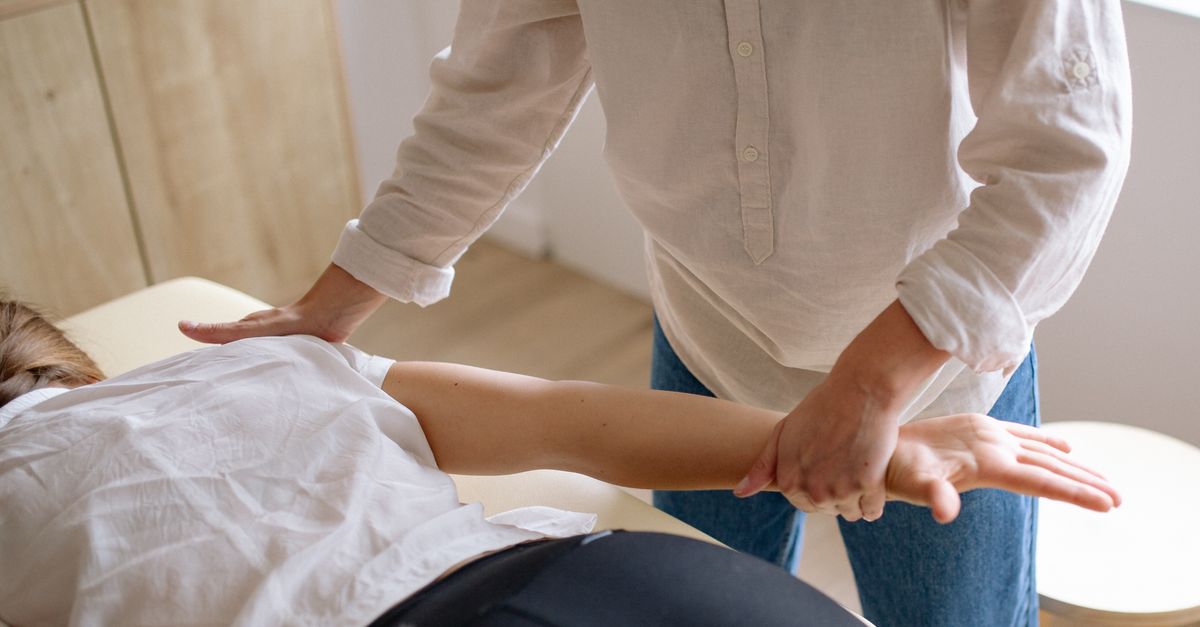
If massage makes your pain worse, the first step is distinguishing between normal post-session soreness and a signal that something went wrong. Mild muscle soreness lasting 24–48 hours after a session is common and generally harmless, especially if the pressure was firm or the area hadn't been worked in a while. Pain that is sharp, shooting, worsening after 48 hours, or accompanied by numbness, tingling, swelling, or bruising is a different signal — one that warrants stopping massage and consulting a healthcare provider. Common causes of worsened pain include too much pressure, massaging an actively inflamed area, working directly on an injury, or an underlying condition that hasn't been properly assessed.
You found a massager, booked a session, or started a home routine expecting relief — and instead, you're hurting more than before. It's one of the more disorienting experiences in self-care: you did something that was supposed to help, and now the problem feels worse. If massage has made your pain worse, you're not alone, and it doesn't automatically mean you did something dangerous. But it does mean something worth understanding happened, and the response depends entirely on what kind of pain you're dealing with.
This guide covers the difference between normal soreness and a real warning sign, the most common reasons massage increases pain, how to adjust your approach, and the situations where a technique tweak isn't the answer — a clinician is.
Normal Soreness vs. a Real Warning Sign
Not all post-massage pain is created equal. Understanding the distinction is the first and most important step in troubleshooting.
What Normal Post-Massage Soreness Feels Like
Delayed onset muscle soreness after massage is well-documented. When pressure is applied to muscle tissue — especially tissue that's been chronically tight or underused — small amounts of mechanical stress are introduced. The body responds with a mild inflammatory process similar to what happens after exercise. The result is a dull, achy soreness that typically peaks around 24–36 hours after a session and resolves within 48 hours.
This kind of soreness is most common after your first few sessions, after a significant increase in pressure or duration, or when a new area is worked. It generally feels like the soreness after a hard workout: uncomfortable but not alarming, and it doesn't get worse with movement or time.
Pain Patterns That Signal Something Else
Some pain responses go beyond normal soreness — and these deserve a different response than simply waiting it out. Watch for any of the following:
- Sharp, stabbing, or shooting pain during or immediately after massage
- Pain that worsens progressively after 48 hours instead of fading
- New or increased numbness, tingling, or burning sensations
- Visible swelling, bruising, or skin changes in the area worked
- Pain that radiates in a pattern — down the arm, into the leg, across the hip
- Headache or dizziness following neck or upper back work
Any of these responses means massage has triggered something the body isn't handling well. That's a stop sign, not a push-through sign. The appropriate next step is rest and a conversation with your doctor or a physical therapist — not a second session at lower pressure.
Why Massage Makes Pain Worse
When massage increases pain, there's usually a specific reason. Identifying the likely cause helps you decide whether adjustment or avoidance is the right call.
Too Much Pressure for the Tissue
This is the most common cause of post-massage soreness that crosses from tolerable to problematic. Pressure that exceeds what the tissue can absorb — especially in sensitive or already-strained areas — produces a stronger inflammatory response than the tissue can resolve quickly. This often happens when people assume more pressure equals more benefit, or when they use the highest setting on a home device without building up gradually.
The fix is straightforward: reduce pressure and build up over multiple sessions. Tissue that hasn't been massaged regularly needs time to adapt. Starting at the lowest intensity and working up over days or weeks is the approach most physical therapists recommend for home device use.
Massaging an Actively Inflamed Area
Inflammation is the body's repair mechanism. When a tissue is actively inflamed — as it is during an acute injury, a flare of tendonitis, or an arthritis flare — introducing mechanical pressure into that area can amplify the inflammatory response rather than calm it. The result is increased pain, sometimes significantly so.
The key distinction is between chronic tightness (where massage is often appropriate) and acute inflammation (where it usually isn't). Warmth, redness, swelling, and pain that has recently worsened or started are signs of active inflammation. Massage of that specific area should be avoided until the acute phase resolves. Surrounding areas — not the inflamed tissue itself — may be fine to work on.
Working Directly on an Injured Structure
Tendons, ligaments, bursae, and nerves respond differently than muscle tissue. Applying strong pressure directly to a partially torn tendon, an irritated nerve, or an inflamed bursa can worsen the underlying condition. Plantar fasciitis, for example, involves inflammation of the plantar fascia — and aggressive massage directly on the arch during an acute episode can increase irritation rather than reduce it.
Home massage devices and self-massage techniques aren't designed to target specific millimeter-level structures. When you're working near a known injury, the location and angle of application matters more than most people realize. If you're uncertain what structure you're actually working, that's a reason to consult a physical therapist who can assess and guide treatment.
An Underlying Condition That Hasn't Been Assessed
Sometimes pain that worsens with massage is the first signal that something more significant is going on — something that hasn't been properly diagnosed. Deep vein thrombosis, bone stress fractures, nerve compression, vascular conditions, and certain inflammatory diseases can all present as general pain that seems like it would benefit from massage. In some of these cases, massage can be contraindicated or even dangerous.
If your pain doesn't fit a clear pattern, has changed recently, or if standard massage interventions keep making it worse, the issue isn't your technique. It's that the underlying cause hasn't been identified. A proper clinical assessment — not another massage session — is what's needed.
How to Adjust Your Approach
If the pain pattern after massage suggests normal soreness or a technique issue rather than a serious warning sign, there are practical adjustments that often resolve the problem.
Reduce Intensity and Duration First
Before changing anything else, drop the pressure and the session length. With a home therapeutic massager — including devices like the MedMassager Foot Massager or the MedMassager Body Massager — starting at the lowest speed setting and limiting initial sessions to 5–10 minutes allows tissue to adapt without triggering excessive soreness. These oscillating devices deliver vibration in a continuous, rhythmic pattern, which makes gradual buildup particularly important compared to short-burst tools.
Most post-massage soreness problems resolve entirely when the person backs off intensity and rebuilds more gradually. If soreness is still excessive even at low intensity, that itself is useful diagnostic information — the area may need clinical evaluation before home massage is appropriate.
Adjust Location and Technique
Avoid working directly on the painful point, especially during an active flare. Instead, work the surrounding muscle tissue. For foot pain, rather than pressing firmly on the site of plantar fascia tenderness, allowing the massager's oscillating motion to move through the broader foot and calf can support circulation without aggravating the injury site.
Technique adjustments that commonly reduce post-session pain include:
- Shorter sessions more frequently (10 minutes daily vs. 30 minutes twice weekly)
- Applying indirect pressure — working tissue adjacent to the painful area rather than on it
- Using heat before a session to warm and soften tissue, reducing resistance
- Gentle movement after a session (walking, light stretching) rather than immediate rest
Hydrate and Allow Recovery Time
Normal post-massage soreness is a low-grade inflammatory process, and hydration supports the body's clearance of metabolic byproducts associated with muscle work. Drinking water after a session is a simple, evidence-consistent recommendation. Allowing 48 hours between sessions on the same area — especially early in a new routine — gives tissue time to adapt before the next round of mechanical stress.
When Technique Is Not the Answer
There's a specific category of situations where adjusting pressure, location, or duration won't fix the problem — because the problem isn't technique. Recognizing this boundary honestly is the most important part of any troubleshooting guide.
Conditions That Require Clinical Assessment Before Massage
Certain diagnoses make some forms of massage contraindicated or require supervision from a clinician who knows your full history. These include, but are not limited to:
- Deep vein thrombosis (DVT): Massage over a blood clot can be dangerous. Leg pain, swelling, warmth, or redness — especially after periods of inactivity or recent surgery — warrants immediate medical evaluation, not massage.
- Acute nerve compression: If pain radiates down an arm or leg in a specific pattern, especially with numbness or weakness, massage without knowing the source can worsen nerve irritation.
- Undiagnosed fractures or bone stress injuries: Pain that worsens with load or localized bone tenderness should be imaged before any mechanical therapy is applied.
- Active infection or skin breakdown: Never massage over broken skin, open wounds, or areas of suspected infection.
- Certain vascular conditions: People with peripheral artery disease or other vascular diagnoses should consult their physician before using any mechanical massage device.
When Pain Keeps Getting Worse Despite Adjustments
If you've reduced pressure, shortened sessions, adjusted location, and waited the appropriate recovery time — and massage still consistently makes your pain worse — stop. Persistent worsening is the body communicating that something doesn't fit. That's not a failure of the technique; it's useful information. Bring it to a physical therapist or physician who can assess what's actually happening in the tissue and advise accordingly.
Many people managing chronic pain conditions benefit from therapeutic home devices as part of a broader plan — but that plan works best when it's built on an accurate diagnosis and clinical guidance, not trial and error with worsening outcomes.
Building a Safer Home Massage Routine
For people who've had a bad experience with massage and want to try again more carefully, a structured approach reduces the risk of repeating the problem.
- Start at the lowest setting. Whether using the MedMassager Foot Massager or a body massager, begin at the lowest intensity for the first several sessions — regardless of how little sensation it seems to produce.
- Limit session length. Five to ten minutes per area is appropriate for the first week. Increase duration only if post-session soreness is absent or minimal.
- Log your response. Note how the area feels immediately after, the next morning, and 48 hours later. This creates a clear record for your own reference and for sharing with a clinician if needed.
- Avoid acute flare areas. If a condition is actively flaring — increased swelling, heat, or pain — skip that area entirely until the flare settles. Work adjacent, non-inflamed tissue if needed.
- Stop if warning signs appear. Sharp pain, radiating pain, numbness, or swelling are stop signals. Stop the session. Rest. Evaluate whether clinical assessment is warranted.
- Get a baseline assessment first if you're unsure. If you have an undiagnosed pain pattern, a visit to a physical therapist before starting a home massage routine is time well spent. Knowing what you're working with changes how you approach treatment.
Frequently Asked Questions
Is it normal for massage to make pain worse the next day?
Mild soreness the day after massage is common and generally not a concern, particularly after firm-pressure sessions or when a new area is worked for the first time. This type of soreness typically peaks within 24–36 hours and resolves on its own within 48 hours. If soreness persists beyond two days, increases rather than fades, or is accompanied by swelling or numbness, that pattern warrants attention rather than another session.
How long should post-massage soreness last?
Normal post-massage soreness should resolve within 24–48 hours for most people. Soreness that lingers beyond 48–72 hours — especially if it's worsening rather than improving — suggests the tissue was overloaded or that an underlying issue may be present. Reducing pressure, session duration, or frequency in the next session is the first adjustment to make.
Can massage make inflammation worse?
Yes. Massaging an actively inflamed area can amplify the inflammatory response rather than reduce it, resulting in increased pain, warmth, or swelling. Inflammation marked by recent onset, heat, redness, or swelling is generally a signal to avoid direct massage of that tissue until the acute phase resolves. Surrounding, non-inflamed tissue may still be appropriate to work on with gentle technique.
When should I stop using a massage device and see a doctor?
Stop using a massage device and consult a healthcare provider if you experience sharp or shooting pain during use, radiating pain that travels down a limb, new numbness or tingling, worsening symptoms beyond 48 hours, or visible swelling and bruising. These patterns suggest the massage is aggravating an underlying issue that needs clinical assessment, not a technique adjustment.
Why does massage hurt more when I use higher pressure?
Higher pressure introduces more mechanical stress to muscle and connective tissue, which triggers a stronger inflammatory response during recovery. Tissue that is already sensitized, chronically tight, or injured has a lower threshold for this response. Starting at low intensity and building gradually — rather than defaulting to maximum pressure — gives tissue time to adapt and typically results in far less post-session soreness.
Can massage make nerve pain worse?
Massage applied directly over a compressed or irritated nerve can increase nerve pain, tingling, or burning. This is particularly relevant for conditions involving radiating pain patterns — such as sciatica, cervical radiculopathy, or peripheral neuropathy — where the source of pain is a nerve rather than muscle tissue. A physical therapist can identify the specific structures involved and advise on whether and how massage should be applied near the affected area.
Should I massage a painful area or avoid it?
It depends on the type and phase of the pain. Chronic muscle tightness and tension generally respond well to massage, while acute injuries, active inflammation, and suspected nerve compression typically do not. When in doubt, working adjacent tissue rather than directly on the painful point is a more conservative starting approach. If a pain pattern is undiagnosed or confusing, clinical evaluation before starting massage is the safer choice.
The Bottom Line
When massage makes your pain worse, the answer isn't always to push through or immediately stop everything — it's to understand what type of pain response you're having and respond accordingly. Normal post-session soreness resolves within 48 hours and is a sign of adaptation, not damage. Sharp pain, radiating symptoms, numbness, or worsening beyond two days are different signals that deserve clinical attention.
Most technique-related pain flares resolve with lower pressure, shorter sessions, and avoiding actively inflamed areas. But when adjustments don't help — or when pain fits a pattern that hasn't been properly diagnosed — the right move is a clinician, not another session.
For people who've been cleared for home massage and want a device that offers controllable, graduated intensity, the MedMassager Foot Massager and MedMassager Body Massager are FDA-registered Class I medical devices built for therapeutic use, with variable speed settings that allow gradual progression — exactly the approach that reduces the risk of overloading tissue. Used correctly, and with an accurate understanding of your own condition, they can be a meaningful part of managing chronic discomfort. Used without that foundation, they carry the same risks as any mechanical therapy applied without context.
This content is for informational purposes only and is not intended as medical advice, diagnosis, or treatment. Always consult a qualified healthcare professional before starting any new treatment or therapy. MedMassager products are FDA-registered Class I medical devices.


