
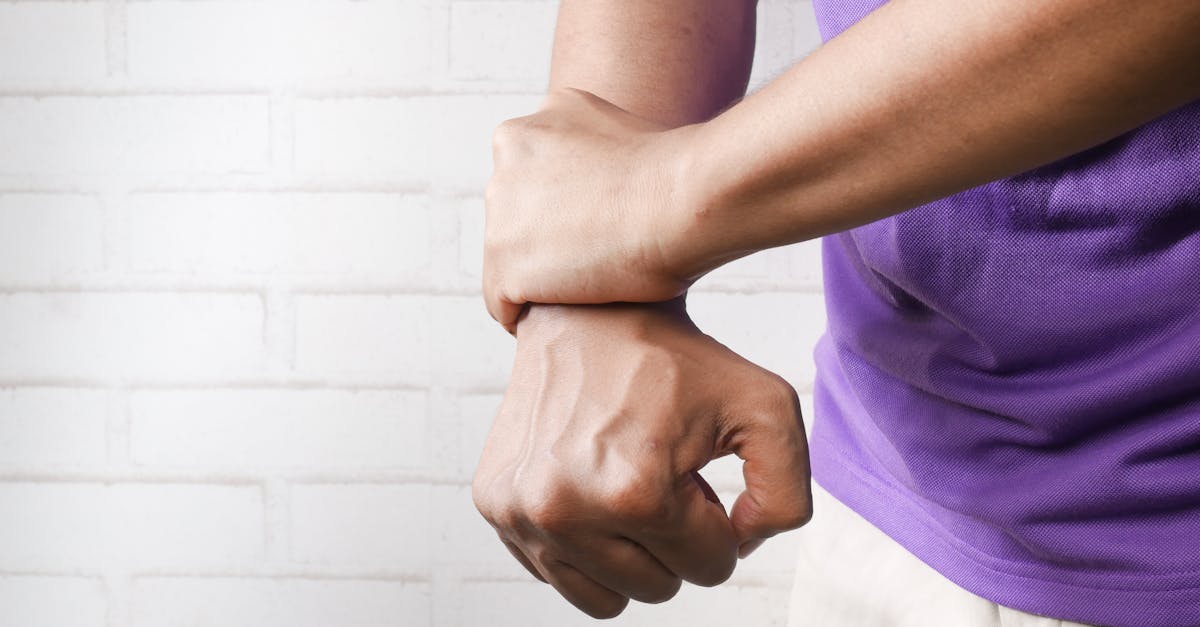
Wrist massage for pain involves applying targeted pressure and movement to the muscles, tendons, and soft tissue surrounding the wrist joint to reduce discomfort and support circulation. It works by stimulating blood flow through the area, helping to ease tension in the flexor and extensor tendons that commonly tighten from repetitive use or prolonged static positions. Massage is most effective for wrist pain caused by muscle overuse, tendon strain, and conditions like carpal tunnel syndrome, where restricted circulation and tissue tension contribute to symptoms. Consistent massage, combined with rest and stretching, can help manage chronic wrist discomfort as part of a broader care routine.
Your wrists take a beating — from keyboard hours to manual work to anything that puts your hands in the same position for too long. If you've been dealing with wrist pain that doesn't resolve with a few days of rest, you're not alone. Wrist pain is one of the most common complaints among desk workers, tradespeople, and anyone whose job or daily routine involves repetitive hand and arm motion. Wrist massage for pain has become an increasingly popular approach for managing that persistent ache, and for good reason: the wrist is a dense, complex structure where even modest tension in surrounding tissue can cause outsized discomfort. This post covers the mechanics behind wrist pain, how massage works on the structures involved, how to do it effectively, and when you might need more than self-care.
Why Wrist Pain Is Complicated
The wrist is not a single joint — it's a collection of eight small carpal bones, connected by an intricate network of ligaments, tendons, and nerves. That complexity is what makes it so functional, and what makes it so vulnerable when something goes wrong.
The Anatomy Behind the Ache
The carpal tunnel is a narrow channel on the palm side of the wrist, bounded by bone on three sides and the transverse carpal ligament on the fourth. Through it runs the median nerve, along with nine flexor tendons responsible for bending the fingers. When tissue in this space swells — from repetitive motion, fluid retention, or inflammation — pressure on the median nerve produces the numbness, tingling, and pain associated with carpal tunnel syndrome.
Beyond the carpal tunnel, the extensor tendons on the back of the wrist and the flexor tendons on the palm side both attach to muscles in the forearm. This means wrist pain often originates well above the wrist itself. Tight forearm muscles pull on the tendons that cross the wrist, creating tension throughout the entire structure even when the wrist hasn't been directly injured.
Common Causes of Wrist Pain
Understanding what's driving your pain matters — because the approach to managing it depends on the root cause. The most frequent contributors include:
- Repetitive strain from typing, mouse use, or assembly-line work
- Carpal tunnel syndrome, which affects the median nerve inside the carpal tunnel
- De Quervain's tenosynovitis, involving the tendons on the thumb side of the wrist
- Tendonitis from overuse of the wrist flexors or extensors
- Ganglion cysts pressing on surrounding structures
- Wrist sprains from falls or sudden impact
- Arthritis, including osteoarthritis and rheumatoid arthritis affecting the carpal joints
According to the Mayo Clinic, carpal tunnel syndrome affects a significant portion of the working adult population, particularly those whose jobs require sustained wrist flexion or vibration exposure. The majority of non-acute wrist pain — the chronic, low-grade ache that builds over weeks — stems from muscular overuse and poor circulation in the surrounding soft tissue.
How Tension and Poor Circulation Make It Worse
When forearm muscles stay contracted for hours — which happens during typing, gripping tools, or holding a steering wheel — they gradually restrict blood flow through the lower arm and wrist. Reduced circulation means less oxygen delivery to tissue and slower removal of metabolic waste products that accumulate during muscle work. This is part of why wrist pain often feels worse after long working sessions and better after rest or movement.
The longer this pattern persists without intervention, the more the surrounding tissue tightens — stiffness leads to more strain, which leads to more pain. Massage interrupts that cycle by reintroducing movement and blood flow to tissue that has been sitting in a state of low circulation.
How Wrist Massage Reduces Pain
Massage addresses wrist pain through several overlapping physical mechanisms. There are specific physiological processes at work that explain why it helps, particularly for the most common types of chronic wrist discomfort.
Improving Local Circulation
The most direct effect of wrist massage is increased blood flow through the forearm and wrist. Mechanical pressure and movement applied to soft tissue dilates local blood vessels and encourages circulation through areas that have become restricted from prolonged static positions. Better circulation means better delivery of oxygen and nutrients to the tendons, muscles, and nerve tissue in and around the wrist.
For people managing carpal tunnel syndrome, oscillating motion applied to the forearm muscles helps increase blood movement in the surrounding muscle tissue — reducing the background tension that contributes to compression inside the carpal tunnel. This is the mechanism that makes therapeutic massagers effective for wrist-related conditions: not by targeting the nerve directly, but by addressing the muscular and circulatory environment around it.
Releasing Forearm Muscle Tension
Because the flexor and extensor muscles of the forearm control wrist and finger movement, tension in those muscles translates directly to strain at the wrist. Massage that targets the forearm — particularly the muscle bellies of the flexor carpi radialis, flexor digitorum superficialis, and extensor carpi groups — reduces the pull that chronically tight muscles place on the tendons crossing the wrist.
This is why effective wrist massage rarely stays confined to the wrist itself. Therapists typically work the entire forearm, from the elbow crease down to the wrist, because that's where the root tension lives. Self-massage and therapeutic massager techniques should follow the same logic.
Reducing Nerve Sensitivity
Research in pain science has shown that repetitive, moderate-pressure stimulation can reduce local nerve sensitivity over time — a phenomenon sometimes described as gate control, in which tactile input to an area reduces the pain signals transmitted through the same nerve pathways. This may partly explain why people with chronic wrist pain from repetitive strain or early-stage carpal tunnel syndrome often report sustained relief after consistent massage, even beyond the immediate session.
Supporting Tendon Recovery
Tendons have relatively low blood supply compared to muscle tissue, which is one reason tendon injuries recover slowly. Massage increases local blood flow in the surrounding muscle tissue, supporting delivery of the nutrients tendons need to repair and maintain their structure. For wrist tendonitis or De Quervain's tenosynovitis, this circulatory support is one of the primary benefits of regular massage alongside rest.
Using a Therapeutic Massager for Wrist Pain
Self-massage with your hands has real limitations — your hands tire, the pressure is inconsistent, and reaching your own forearm effectively while staying relaxed is harder than it sounds. A therapeutic massager designed for soft tissue work offers a more consistent, penetrating alternative, particularly for the forearm muscles that drive most wrist pain.
What to Look for in a Massager
Not all massagers are equally suited to forearm and wrist work. The key considerations are:
- Oscillating vs. vibrating mechanism: Oscillation moves in a controlled arc that penetrates deeper into muscle tissue. Standard vibration massagers tend to buzz on the surface rather than moving the underlying tissue effectively. For forearm work, deeper penetration matters.
- Variable intensity settings: The forearm is a sensitive area with nerves and blood vessels close to the surface. Multiple speed settings let you start gently and increase as your tolerance builds.
- Head attachments suited to the forearm: A ball or flat head that contacts the length of the forearm muscle belly — not just a point — distributes pressure more effectively across the tissue.
- Cordless or long-cord design: You need to comfortably position the massager along your forearm with your arm extended and relaxed. Cord length or cordless freedom affects whether this is practical.
The MedMassager Body Massager collection includes professional-grade oscillating massagers built for exactly this kind of deep soft tissue work. The oscillating technology delivers deeper, more controlled vibration than conventional massagers, making it better suited for reaching the forearm muscle layers that contribute to wrist pain. It's the same type of equipment used in physical therapy clinics for soft tissue mobilization.
When Manual Self-Massage Is Enough
For mild wrist discomfort — the kind that shows up after a heavy computer day and mostly resolves overnight — manual self-massage techniques are often sufficient. The advantage of hands-on massage is pressure control and the ability to zero in on a specific tender spot.
A therapeutic massager becomes the stronger tool when pain is chronic, recurring, or covering a larger area of the forearm that's difficult to reach effectively with your opposite hand. If you're exploring options, the full MedMassager product line covers both targeted and broader soft tissue needs — worth reviewing before purchasing to find what matches your specific use case.
How to Massage Your Wrist for Pain Relief
Whether you're using your hands or a therapeutic massager, technique matters. The following routine addresses the full kinetic chain involved in most wrist pain — from the upper forearm down to the wrist itself.
Preparation
Start with 2–3 minutes of gentle wrist circles and finger extensions to warm up the tissue. If possible, apply a warm compress or soak your hands and wrists in warm water for 5 minutes beforehand — warmed tissue is more receptive to massage and less likely to tighten defensively under pressure.
Step-by-Step Wrist Massage Routine
- Forearm effleurage (2 minutes): Using your opposite hand or a massager on a low setting, apply long, gliding strokes from your elbow crease toward your wrist. Work the entire forearm — both the palm-side flexors and the back-of-arm extensors. This opens circulation before deeper work begins.
- Flexor muscle work (3 minutes): Focus on the fleshy muscle mass on the palm side of your forearm, roughly the top two-thirds. Apply moderate circular pressure with your thumb or a massager head, working from elbow toward wrist. Pause on areas that feel tender or tight.
- Extensor muscle work (2 minutes): Flip your forearm and repeat on the back side, where the extensor muscles run. These are often overlooked but are just as implicated in wrist strain from keyboard and mouse work.
- Wrist joint mobilization (2 minutes): Support your forearm on a flat surface. Use your opposite thumb to apply gentle circular pressure along the wrist crease — both palm side and back of hand. Work slowly, pausing on tender points without forcing deep pressure directly over bone.
- Finger flexor stretch finish (1 minute): End with a gentle wrist extension stretch — extend your arm, palm facing out, and gently pull fingers back with your opposite hand. Hold 20–30 seconds, release, repeat twice. This decompresses the flexor tendons after massage.
Frequency and Duration
For chronic wrist pain or carpal tunnel-related discomfort, aim for once daily — or at minimum 4–5 times per week — ideally at the end of your work day when tissue tension is highest. Each session should run 10–15 minutes. Consistency over weeks produces more meaningful results than occasional intensive sessions.
If you're using a professional-grade body massager for forearm work, start on the lowest intensity setting for the first few sessions. The oscillating action is significantly more powerful than hand pressure, and the forearm contains superficial nerves that benefit from a gradual introduction to the stimulus.
When Wrist Massage Alone Isn't Enough
Massage is a valuable tool for managing wrist pain — but it has limits, and recognizing those limits matters for your long-term health.
Signs You Should See a Doctor
Wrist pain that involves any of the following warrants a clinical evaluation before relying on massage as a primary approach:
- Numbness or tingling that extends into the fingers and doesn't resolve with rest
- Weakness in grip strength that's getting progressively worse
- Visible swelling, bruising, or deformity
- Pain that wakes you from sleep consistently
- A recent fall or impact that could indicate a fracture or ligament tear
- Symptoms that have not improved after 3–4 weeks of consistent self-care
Carpal tunnel syndrome can progress from mild discomfort to significant nerve damage if left unmanaged. The NIH recommends seeking evaluation if hand weakness or sustained numbness develops — signs that nerve compression may be advancing beyond what conservative care can address alone.
Complementary Approaches That Work Alongside Massage
Massage produces the best outcomes when combined with other supportive measures. Ergonomic adjustments — raising or lowering your keyboard, using a wrist rest, or switching to a vertical mouse — reduce the repetitive strain that feeds the pain cycle in the first place. Targeted stretching of the wrist flexors and extensors several times throughout the day keeps tissue pliable between massage sessions.
Wrist splints worn overnight can help reduce the nerve compression that worsens during sleep, particularly for carpal tunnel-related symptoms. For people managing more significant soft tissue discomfort across the upper body, combining forearm massage with broader back and shoulder work can address postural patterns that shift excess load to the wrists. The MedMassager Body Massager is versatile enough to cover the full upper kinetic chain — from shoulders and upper back down through the forearm — making it a practical tool for anyone whose wrist pain is part of a larger pattern of upper-body tension.
Frequently Asked Questions
Can wrist massage help with carpal tunnel syndrome?
Wrist and forearm massage can help manage carpal tunnel symptoms by increasing blood flow through the surrounding muscle tissue and reducing the forearm tension that contributes to compression inside the carpal tunnel. It does not reverse structural changes to the carpal tunnel itself, but consistent massage targeting the flexor muscles may reduce the day-to-day severity of symptoms. People with moderate to severe carpal tunnel syndrome — particularly those experiencing grip weakness or persistent numbness — should work with a healthcare provider alongside any self-care routine.
How often should I massage my wrist for pain relief?
For chronic wrist pain from repetitive strain or overuse, daily massage of 10–15 minutes produces better results than occasional longer sessions. Most people find that massaging at the end of the work day — when forearm and wrist tension is at its peak — is the most effective timing. Consistency over several weeks is what drives meaningful improvement; a few sessions is unlikely to produce lasting change in chronically tight tissue.
Should I massage my wrist if it's swollen or inflamed?
Direct massage over acutely inflamed or visibly swollen tissue is not recommended, as it can increase irritation to already-stressed structures. If your wrist is acutely swollen, rest, ice, and elevation are the appropriate first response. Once acute inflammation has subsided — typically after 48–72 hours — gentle massage of the surrounding forearm muscle tissue (not directly over the inflamed area) can begin. If swelling persists beyond a few days or is accompanied by significant pain, a medical evaluation is warranted before resuming massage.
Is it normal for wrist massage to be painful?
Some mild discomfort during massage of chronically tight tissue is normal — often described as a productive soreness similar to pressing on a tight muscle. Sharp pain, radiating pain, or numbness during massage are signals to stop and reduce pressure immediately. A useful working guideline is to stay around a 5–6 on a 10-point discomfort scale: firm and effective, but not white-knuckle uncomfortable. Starting at low intensity and gradually increasing over sessions is always the safer approach.
Does massage help with wrist tendonitis?
Massage can support recovery from wrist tendonitis by increasing local blood flow in the muscle tissue surrounding the affected tendons, which aids in nutrient delivery and waste product clearance. Tendons themselves have limited direct blood supply, so the circulatory benefit comes primarily through the surrounding muscle tissue rather than the tendon directly. Massage should be avoided directly over an acutely inflamed tendon, but gentle forearm work during the subacute and chronic phases of tendonitis is generally considered a useful complement to rest and stretching.
What's the difference between massaging the wrist and massaging the forearm?
Most wrist pain originates in the forearm muscles, which control wrist and finger movement via tendons that cross the wrist joint. Massaging only the wrist addresses the endpoint of the tension rather than its source. Effective massage for wrist pain should cover the full forearm — from the elbow crease to the wrist — targeting the flexor muscles on the palm side and the extensor muscles on the back of the forearm, with the wrist itself receiving gentler mobilization work.
What stretches work best alongside wrist massage?
The wrist flexor stretch — extending the arm with the palm facing outward and gently pulling the fingers back — is one of the most effective complements to wrist massage, as it decompresses the flexor tendons and lengthens the muscles that massage has just worked. The wrist extensor stretch, where the wrist is gently bent downward with the opposite hand, targets the back-of-forearm muscles. Both stretches held for 20–30 seconds, performed 2–3 times each after a session, help maintain the tissue length gains produced during massage.
The Bottom Line on Wrist Massage for Pain
Wrist massage for pain is one of the most accessible, low-risk approaches for managing the chronic discomfort that comes from repetitive use, prolonged static positions, and the accumulating tension of daily work. The key is understanding that the wrist is the endpoint — the forearm is where the work needs to happen. Consistent massage targeting the flexor and extensor muscles of the forearm, combined with regular stretching and ergonomic adjustments, addresses the actual source of most wrist pain rather than just numbing the symptom.
For people dealing with recurring or more persistent discomfort, a professional-grade therapeutic body massager offers a more consistent and deeper stimulus than manual self-massage alone — particularly for the forearm muscle tissue that's hardest to reach effectively on yourself. If you're managing broader upper-body tension alongside wrist pain, the MedMassager Body Massager covers the full upper kinetic chain, from shoulders and upper back down through the forearm. As always, if your symptoms are worsening, include nerve-related signs, or haven't improved after several weeks of consistent self-care, consult a healthcare provider before continuing.
This content is for informational purposes only and is not intended as medical advice, diagnosis, or treatment. Always consult a qualified healthcare professional before starting any new treatment or therapy. MedMassager products are FDA-registered Class I medical devices.


