
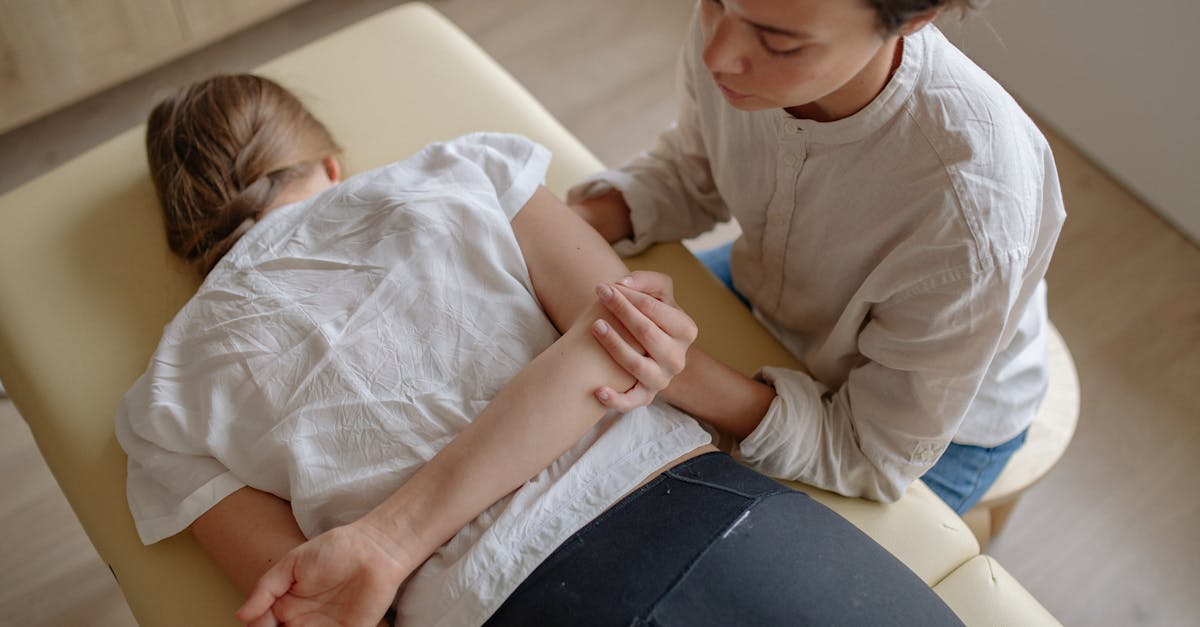
Wrist massage for pain involves applying targeted pressure and movement to the muscles, tendons, and soft tissue surrounding the wrist joint to increase local blood flow, reduce muscle tension, and support mobility. Massage can help relieve discomfort associated with repetitive strain, carpal tunnel syndrome, tendonitis, and general wrist fatigue. Regular massage of the wrist and forearm — the muscle groups that directly control wrist movement — may reduce stiffness and help manage chronic pain when combined with appropriate rest and medical guidance.
Your wrist hurts, and you're not entirely sure why. Maybe it's the hours at a keyboard, the repetitive motion of a tool or instrument, or the dull ache that appears out of nowhere after a long workday. Wrist pain is one of the most common complaints among desk workers, tradespeople, musicians, and anyone whose hands do the heavy lifting. This post covers what causes wrist pain, how massage addresses the underlying mechanisms, what techniques work best, and how to build a simple daily routine that actually helps.
Why Wrist Pain Is So Persistent
The wrist isn't a single joint — it's a network of eight small carpal bones, multiple tendons, ligaments, nerves, and blood vessels compressed into a very small space. That complexity is exactly why pain in this area can be so hard to pin down.
The Anatomy Behind the Ache
The carpal tunnel is a narrow passageway on the palm side of the wrist, formed by bones and ligaments. The median nerve runs through it alongside the flexor tendons that control finger movement. When the tissue surrounding this tunnel becomes inflamed — from repetitive motion, fluid retention, or sustained pressure — that nerve gets compressed, producing the numbness, tingling, and pain characteristic of carpal tunnel syndrome.
The wrist also relies on the extensor and flexor muscles of the forearm. These long muscles run from the elbow down to the fingers, and their tendons cross the wrist on both sides. When these muscles are overworked or chronically tight, the tension transfers directly to the wrist — even when the wrist itself isn't the primary site of strain.
Common Causes of Wrist Pain
Wrist pain rarely has a single cause. The most frequent contributors include:
- Repetitive strain: Typing, assembly line work, playing instruments, and using power tools all create cumulative stress on the wrist tendons and surrounding tissue.
- Carpal tunnel syndrome: Median nerve compression produces pain, numbness, and tingling — often worse at night or first thing in the morning.
- Tendonitis: Inflammation of the flexor or extensor tendons, often from sudden overuse or a change in activity level.
- De Quervain's tenosynovitis: Inflammation of the tendons on the thumb side of the wrist, common in new parents and people who perform repeated gripping motions.
- Wrist sprains: Ligament injuries from falls or sudden twisting movements, which can linger without proper recovery.
- Sustained posture: Holding the wrist in an extended or flexed position for long periods — common with laptop or mouse use — reduces circulation and increases tissue tension.
According to the National Institute of Neurological Disorders and Stroke, carpal tunnel syndrome is among the most common peripheral nerve disorders, affecting a significant portion of the working-age population. Research suggests repetitive hand and wrist activity is one of the strongest modifiable risk factors.
Why Rest Alone Isn't Always Enough
One of the counterintuitive realities of wrist pain is that complete rest can sometimes make things worse. When blood flow to a compressed or inflamed area is reduced — as happens during inactivity — the tissue receives less oxygen and fewer of the nutrients needed for repair. Gentle movement and massage help maintain circulation in ways that pure rest cannot.
How Massage Relieves Wrist Pain
Massage addresses wrist pain through several intersecting physical mechanisms — not just the sensation of relief, but measurable changes in tissue behavior and local circulation.
Increasing Blood Flow to Compressed Tissue
One of the primary benefits of massage for wrist pain is its effect on local circulation. Tight muscles and inflamed tendons can partially restrict blood flow to surrounding tissue. Massage — whether manual or mechanical — introduces movement that dilates local blood vessels and pushes nutrient-rich blood into areas that have become ischemic from sustained pressure or prolonged static posture.
For people managing carpal tunnel syndrome, oscillating mechanical massage applied to the forearm muscles can help. Oscillating vibration increases local blood movement in surrounding muscle tissue, helping relieve the chronic tension in the flexor muscles that contributes to median nerve compression. The MedMassager Body Massager is designed for this kind of deep-tissue application — delivering oscillating movement that reaches deeper muscle layers than surface-level rubbing.
Releasing Myofascial Tension in the Forearm
The forearm is where most of the muscular work of the wrist originates. The flexor digitorum, flexor carpi radialis, and extensor carpi muscles all originate near the elbow and insert at the wrist and fingers. When these muscles develop trigger points — localized knots of contracted muscle fiber — they pull on the tendons crossing the wrist and amplify pain signals.
Massage targeting the forearm along its full length, not just the wrist itself, releases this upstream tension. Many people are surprised to find that massaging 4–6 inches above the wrist resolves pain they assumed was in the joint itself.
Reducing Inflammation and Tissue Adhesion
Chronic inflammation creates a cycle: inflamed tissue becomes fibrotic over time, developing adhesions that restrict normal movement and reduce circulation further. Consistent massage breaks down these adhesions mechanically, helping restore the gliding motion between tissue layers that healthy wrists rely on.
Research on soft tissue therapy indicates that regular massage may reduce markers of local inflammation and improve range of motion in repetitive strain injuries, though outcomes vary by condition severity and consistency of treatment.
Massage Techniques for Wrist Pain
Effective wrist massage isn't random pressure applied to the sore spot. Specific techniques address different tissue types and pain sources. The approaches below target the mechanisms described above.
Forearm Effleurage (Gliding Strokes)
Start with long, gliding strokes along the forearm from wrist to elbow — on both the palm side (flexors) and back of the arm (extensors). Use moderate pressure with your opposite thumb or fingers. This warms the tissue, increases surface circulation, and prepares deeper layers for more targeted work.
Perform 8–10 slow strokes per side before moving to deeper techniques. This step is easy to skip, but it meaningfully improves the effectiveness of everything that follows.
Cross-Fiber Friction on the Wrist Tendons
Cross-fiber friction involves applying pressure perpendicular to the direction of the tendon fibers. This is particularly effective for tendonitis and repetitive strain because it disrupts adhesion formation and encourages proper fiber alignment during healing.
- Locate the tender tendon on the palm or thumb side of the wrist
- Apply firm, small back-and-forth strokes across (not along) the tendon
- Work for 30–60 seconds per site
- Reduce pressure immediately if sharp pain occurs — this technique should feel like deep pressure, not stabbing
Thumb Circles on the Carpal Bones
The eight carpal bones move subtly relative to each other during wrist motion. Sustained compression and inflammation can reduce that intercarpal mobility. Using the pad of your thumb, apply slow, firm circles directly over the back of the wrist across the carpal region. Work from side to side across the full width of the wrist, spending extra time on any area that feels tight or tender.
Mechanical Massage for the Forearm
For people with chronic wrist pain or carpal tunnel syndrome, manual self-massage can be difficult to sustain — especially when the hand doing the massaging is also the one in pain. A professional-grade body massager applied to the forearm delivers consistent oscillating movement without requiring grip strength or hand coordination from the affected side.
The MedMassager Body Massager uses oscillating technology to deliver deeper, more controlled vibration than conventional massagers — reaching the deeper flexor muscle layers where wrist tension originates. This makes it particularly useful for people managing repetitive strain or tendonitis who need consistent, hands-free forearm treatment.
Building a Daily Wrist Massage Routine
Consistency matters more than intensity. A focused 5–10 minute routine performed daily will outperform an aggressive 30-minute session done once a week. The goal is regular stimulation of blood flow and progressive release of chronic tissue tension.
Morning Routine (3–5 Minutes)
Wrist pain is often worst in the morning — particularly with carpal tunnel syndrome, when fluid has pooled in the wrist during sleep. A brief massage before you start your day can reduce morning stiffness and set better tissue conditions for the hours ahead.
- Begin with 60 seconds of gentle forearm effleurage on both arms
- Perform thumb circles over the carpal region for 30 seconds per wrist
- Gently flex and extend the wrist 10 times in each direction while applying light forearm pressure with your opposite hand
- Finish with another 30 seconds of effleurage to flush the tissue
Midday Reset (2–3 Minutes)
If your work involves repetitive wrist use, a brief midday reset helps prevent the cumulative tension buildup that leads to end-of-day pain. Step away from your workstation, shake out your hands, and spend 60–90 seconds per forearm with gentle cross-fiber friction over the most tender sites.
Evening Deep Treatment (5–10 Minutes)
Evening is the best time for more thorough work. Tissue is warmer, the nervous system is less reactive, and you have more time to be deliberate.
- Apply a mechanical massager or use firm manual pressure along the full forearm for 2–3 minutes per arm
- Follow with cross-fiber friction on any tender tendon sites (30–60 seconds per site)
- Finish with gentle wrist range-of-motion: circles, flexion, extension, and side-to-side deviation
- If you use a body massager, apply it to both the flexor (palm-side) and extensor (back-side) forearm surfaces
Frequency and Intensity Guidelines
Daily light-to-moderate massage is appropriate for most people with chronic wrist pain from repetitive strain. For acute injuries — a recent sprain or a tendonitis flare — reduce pressure and avoid direct massage over visibly swollen or bruised tissue. Always work within a pressure range that feels like firm but tolerable tension, not sharp or burning pain.
Conditions That Need a Tailored Approach
General massage principles apply broadly, but some conditions require adjustments to technique, pressure, and focus area. Here's how to adapt for the most common wrist diagnoses.
Carpal Tunnel Syndrome
For people managing carpal tunnel, massage should focus heavily on the forearm flexors rather than the wrist itself. Compressing already-inflamed tissue in the carpal tunnel can aggravate symptoms. Releasing the upstream muscle tension in the forearm reduces the overall load on the carpal tunnel and may decrease median nerve compression indirectly.
Studies published in the Journal of Bodywork and Movement Therapies suggest that forearm-focused massage can provide meaningful short-term relief for carpal tunnel symptoms, though it is not a substitute for medical evaluation in moderate or severe cases.
Tendonitis
Wrist tendonitis requires a more cautious approach. During acute inflammation, avoid direct deep pressure over the inflamed tendon — light effleurage and ice are more appropriate in the first 48–72 hours. Once the acute phase passes, cross-fiber friction becomes one of the most effective tools for preventing the chronic adhesion that often follows tendon injuries.
The MedMassager Body Massager delivers oscillating movement to surrounding muscle tissue, helping increase blood flow in areas that are stiff or overused without requiring direct pressure over the tender tendon itself.
When to Stop and See a Doctor
Massage is a valuable self-care tool, but it has limits. Seek medical evaluation if you experience any of the following:
- Numbness or tingling that extends into multiple fingers and doesn't resolve with rest
- Weakness in grip strength or difficulty with fine motor tasks
- Visible swelling, deformity, or bruising following an injury
- Pain that wakes you from sleep consistently
- Symptoms that worsen over several weeks despite self-care
These may indicate nerve compression, ligament damage, or other structural issues that require imaging, splinting, or specialist intervention. Massage should complement medical care, not replace it.
Frequently Asked Questions
How often should I massage my wrist for pain relief?
Daily massage is generally more effective than infrequent longer sessions for chronic wrist pain. A focused 5–10 minute routine — including forearm effleurage and targeted work on tender spots — performed each day produces better cumulative results than a single aggressive session once or twice a week. Consistency stimulates ongoing circulation and prevents tension from rebuilding between sessions.
Can massage make carpal tunnel syndrome worse?
Direct, deep pressure applied over the carpal tunnel itself can aggravate symptoms in people with active carpal tunnel syndrome. The safer approach is to focus massage on the forearm flexor muscles — the muscle group that controls wrist motion and contributes to tunnel compression — rather than pressing directly on the wrist. If symptoms worsen after any massage session, reduce pressure and consult a healthcare provider.
What is the best massage technique for wrist tendonitis?
Cross-fiber friction — applying firm pressure perpendicular to the tendon fibers — is one of the most evidence-supported manual techniques for tendonitis. It disrupts adhesion formation and promotes proper collagen fiber alignment during healing. During the acute inflammatory phase (first 48–72 hours), avoid deep friction and use light effleurage instead, returning to more targeted techniques once acute inflammation has resolved.
Why does my wrist hurt more in the morning?
Morning wrist pain — particularly the numbness and stiffness associated with carpal tunnel syndrome — often results from the wrist resting in a flexed or extended position during sleep, which increases pressure on the median nerve. Fluid can also accumulate in the carpal tunnel during prolonged inactivity. A brief morning massage routine combined with wrist range-of-motion exercises can help reduce this stiffness before the day begins.
Should I massage my wrist or my forearm for pain relief?
Both areas matter, but the forearm is where most wrist pain actually originates. The muscles that control wrist motion run from the forearm to the fingers, and chronic tightness in those muscles transfers tension directly to the wrist tendons and carpal tunnel. Massaging the full forearm — from just below the elbow to the wrist — on both the palm and back sides addresses the root source of tension rather than just the symptomatic site.
Does a body massager help with wrist and forearm pain?
A body massager applied to the forearm muscles can deliver consistent oscillating movement that increases local blood flow and releases deep muscle tension without requiring grip strength from the affected hand. This is particularly useful for people whose opposite hand is also affected by repetitive strain, or for those who need sustained pressure over a larger muscle area than manual thumb pressure can cover effectively.
How long does wrist pain from repetitive strain take to improve?
Mild repetitive strain wrist pain often improves within a few weeks with consistent rest modifications, massage, and ergonomic adjustments. Chronic cases — particularly those involving tendonitis or early carpal tunnel syndrome — may take several months of consistent management to see meaningful improvement. Recovery timeline depends heavily on whether the aggravating activity is reduced during the healing period.
The Bottom Line on Wrist Massage for Pain
Wrist massage for pain is most effective when it targets the full kinetic chain — the forearm muscles, tendons, and tissue that control the wrist — rather than focusing exclusively on the joint where pain is felt. Daily consistency, correct technique, and pressure calibrated to the phase of injury produce better outcomes than aggressive but infrequent treatment.
For people managing repetitive strain, carpal tunnel syndrome, or tendonitis, a mechanical approach can make the routine more sustainable. The MedMassager Body Massager collection includes FDA-registered Class I medical devices built for therapeutic forearm and wrist work — delivering oscillating movement that reaches the deeper muscle layers where chronic wrist pain originates.
Explore the full range of MedMassager therapeutic massagers to find the right tool for your needs, or go directly to the Body Massager if forearm and wrist work is your primary focus. Pair consistent massage with ergonomic adjustments and medical guidance for the most complete approach to wrist pain management.
This content is for informational purposes only and is not intended as medical advice, diagnosis, or treatment. Always consult a qualified healthcare professional before starting any new treatment or therapy. MedMassager products are FDA-registered Class I medical devices.


