
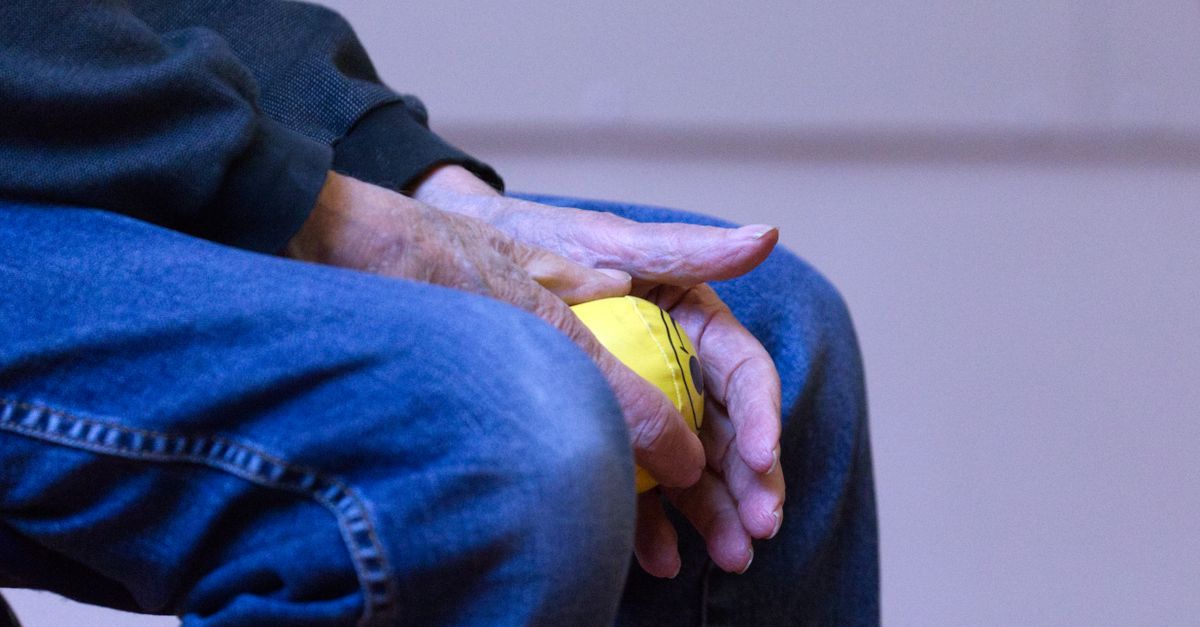
Arthritis hand massage involves applying gentle, targeted pressure and movement to the joints, tendons, and muscles of the hands and fingers to support circulation, reduce stiffness, and improve range of motion. For people managing osteoarthritis or rheumatoid arthritis of the hands, regular self-massage can help maintain mobility and ease the tension that builds in the forearm muscles that compensate for weakened grip. Effective techniques include circular joint mobilization around the knuckles, longitudinal strokes along the fingers, palm compression, and extending massage to the forearm and wrist where chronic compensation patterns develop. Warming the hands first — with warm water, a heating pad, or paraffin wax — significantly improves how the tissue responds to massage.
If you wake up with hands that feel stiff, swollen, and slow to cooperate — or you find yourself shaking them out just to get through a morning routine — you already understand what arthritis in the hands does to daily life. For people living with osteoarthritis or rheumatoid arthritis, the hands aren't just uncomfortable. They're a constant negotiation: which tasks are worth the effort, and which ones will cost you for the rest of the day.
Arthritis hand massage is one of the few self-care tools that genuinely fits into that negotiation. It doesn't require a clinic visit, doesn't carry the risks of medication, and can be done in minutes. This guide covers the mechanics of why hands hurt, how massage works on arthritic joints and surrounding tissue, specific techniques for the fingers, knuckles, and palms, how paraffin warming enhances the process, and how extending massage to the forearm addresses the compensation patterns most people don't realize are making their hands worse.
Why Arthritis Affects the Hands
The hands are among the most commonly affected sites in both osteoarthritis (OA) and rheumatoid arthritis (RA). Each hand contains 27 bones, more than 30 joints, and a dense network of tendons, ligaments, and small muscles. That structural complexity means there's a lot of tissue that can become inflamed, degraded, or mechanically disrupted.
Osteoarthritis of the Hand
In osteoarthritis, the cartilage that cushions the joint surfaces gradually breaks down. The distal interphalangeal joints — the knuckles closest to your fingertips — are the most frequently affected in OA. The carpometacarpal joint at the base of the thumb is also a common site, often called "basilar thumb arthritis," and it's responsible for the deep, aching pain many people feel when pinching or gripping.
As cartilage thins, the joint space narrows and bone can begin to contact bone. The body responds by forming osteophytes — small bony growths — around the joint margins. In the fingers, these produce the characteristic nodules known as Heberden's nodes at the distal joints and Bouchard's nodes at the middle joints. The surrounding soft tissue becomes chronically inflamed and the joint capsule thickens, both of which restrict movement.
Rheumatoid Arthritis of the Hand
Rheumatoid arthritis follows a different mechanism. RA is an autoimmune condition in which the immune system attacks the synovial membrane — the tissue lining the joint. According to the Mayo Clinic, RA characteristically affects the smaller joints of the hands and wrists, often symmetrically, meaning both hands tend to be involved.
The resulting synovitis causes the joint to swell, feel warm, and become painful, particularly during flares. Over time, persistent inflammation can erode the cartilage and bone, and stretch the tendons and ligaments that stabilize the joint. This is why RA can cause joint deformity — conditions like ulnar deviation, where the fingers drift toward the little finger side — when not well managed.
The Forearm Compensation Pattern
What most people don't connect to their hand pain is what happens in the forearm. The muscles that control finger and wrist movement — the flexor digitorum superficialis, the extensor carpi radialis, the flexor carpi ulnaris — all originate in the forearm, not the hand itself. When hand joints are painful or stiff, people unconsciously alter their grip, brace differently, and over-recruit these forearm muscles to compensate.
Over weeks and months, those forearm muscles become chronically tight and tender. That tension transmits back to the wrist and hand, creating a secondary layer of discomfort on top of the arthritis itself. Addressing the forearm is not optional — it's part of the same problem.
How Massage Helps Arthritic Hands
Massage doesn't reverse cartilage loss or resolve the autoimmune processes involved in RA. What it does is work on the surrounding tissue — the muscles, tendons, fascia, and circulatory supply — in ways that meaningfully affect comfort and function.
Circulation and Synovial Fluid Movement
The small joints of the hands depend heavily on synovial fluid for lubrication and nutrition. This fluid moves through the joint cavity during movement. When hands remain still — during sleep, prolonged rest, or inactivity — fluid distribution becomes uneven and the joint capsule stiffens. Massage and gentle joint mobilization help restore fluid movement through the joint, which is part of why hands that have been massaged feel more mobile and less gritty.
Increased local circulation, which massage promotes through mechanical stimulation of the tissue, also supports the delivery of oxygen and nutrients to the periarticular soft tissue — the capsule, tendons, and ligaments surrounding the joint. Research in manual therapy consistently points to improved local blood flow as one of the primary short-term benefits of soft tissue work on arthritic joints.
Reducing Muscle Guarding
When a joint hurts, the muscles around it tighten involuntarily — a protective response called muscle guarding that restricts movement to limit pain. In the hands, this guarding can become chronic, compressing already-inflamed joint structures and increasing pressure inside the joint capsule. Massage helps release this guarding by signaling the nervous system that the area is safe to relax, reducing compressive forces on the joint without any mechanical loading.
Pain Gate Modulation
Tactile stimulation from massage activates large-diameter sensory nerve fibers that, according to the gate control theory of pain (Melzack and Wall), can partially block pain signals traveling through smaller nerve fibers to the brain. This is the physiological reason that rubbing a sore area provides immediate, if temporary, relief. For people with chronic arthritis pain, this modulation effect can make hand massage a reliable tool for managing the daily baseline of discomfort.
Psychological and Autonomic Effects
Living with a chronic pain condition creates a persistent stress load that amplifies pain sensitivity through a process called central sensitization. Gentle massage activates the parasympathetic nervous system — the "rest and digest" branch — helping lower cortisol levels and reduce the neurological amplification of pain signals. This isn't a trivial benefit. It's part of why regular, consistent massage tends to produce better results than occasional sessions.
Warming the Hands Before Massage
Cold or stiff tissue doesn't respond well to massage. Warming the hands before you begin isn't just a comfort measure — it changes the mechanical properties of the tissue in ways that make massage more effective and safer on fragile joints.
Warm Water Soaking
The simplest preparation is soaking the hands in warm water for 5–10 minutes. Water temperature around 100–104°F is sufficient to warm the superficial tissue without risk of burns. This is particularly accessible and effective first thing in the morning when stiffness is at its peak. Adding Epsom salts is a common adjunct, though the primary benefit comes from the heat rather than magnesium absorption.
Paraffin Wax Treatment
Paraffin wax therapy is the gold standard warm-up for arthritic hands, well-established in both occupational therapy and physical therapy practice. A home paraffin bath heats wax to approximately 125–130°F. The hand is dipped several times to build up a warm wax coating, then wrapped in plastic and a towel for 10–15 minutes.
The mechanism is thermotherapy: the wax transfers heat deeply and evenly into the joint tissue, loosening the joint capsule, relaxing periarticular muscles, and increasing the elasticity of connective tissue. Studies in rheumatology have found that paraffin therapy reduces pain and improves grip strength in people with hand OA, with the greatest benefit when followed immediately by exercise or massage while the tissue is still warm.
Home paraffin kits are widely available and relatively inexpensive. For people with frequent morning stiffness, using paraffin before massage — even 2–3 times per week — can meaningfully improve how the subsequent techniques feel and how far the joints respond.
Heating Pad and Infrared Options
For people who don't want to manage a paraffin bath, a moist heating pad applied to the hands and forearms for 10 minutes achieves a similar preparatory effect. Moist heat penetrates more effectively than dry heat. Infrared heating pads are another option that some people with arthritis find more comfortable, as they emit gentle radiant heat rather than conductive surface heat.
- Warm water soak: 5–10 minutes, best for daily morning use
- Paraffin wax bath: 10–15 minutes, deepest thermotherapy, ideal before massage
- Moist heating pad: 10 minutes, practical and widely accessible
- Infrared heating pad: 10–15 minutes, gentle radiant heat, good for sensitive tissue
Arthritis Hand Massage Techniques
The following techniques are appropriate for both osteoarthritis and rheumatoid arthritis, with one critical distinction: do not perform massage on joints that are actively inflamed, swollen, or warm to the touch during an RA flare. During a flare, the joint is already under inflammatory stress, and mechanical pressure can worsen it. Wait until the flare has calmed before resuming massage.
Palm and Thenar Eminence Work
Begin with the palm. Use the thumb of your opposite hand to apply broad, circular strokes across the palm, working from the center outward toward the fingers. Pay particular attention to the thenar eminence — the fleshy mound at the base of the thumb — which is frequently tight and tender in people with basilar thumb arthritis. Use moderate pressure in slow circles, pausing on any area that feels particularly dense or sensitive.
Work the palm for 1–2 minutes before moving to the fingers. This primes the intrinsic hand muscles and helps establish initial circulation through the area.
Finger and Knuckle Mobilization
For each finger, hold the base between the thumb and index finger of your opposite hand. Apply gentle, slow circular movements around the proximal interphalangeal joint (the middle knuckle), making 5–8 small circles in each direction. Move to the distal joint and repeat. This is joint mobilization, not forceful manipulation — the movement should feel like gentle encouragement, not pressure against resistance.
Follow the circular mobilization with a gentle longitudinal stroke: use your thumb and index finger to stroke from the base of the finger to the tip, applying light squeezing pressure along the way. This helps move fluid out of the finger toward the hand and promotes local circulation. Repeat 3–5 times per finger.
At the metacarpophalangeal joints — the large knuckles at the base of each finger — use the pad of your thumb to apply gentle circular pressure directly over the joint. These joints are common RA sites and should be treated with particular care: use lighter pressure than you might expect, and reduce further if any joint feels sensitive.
Thumb Technique
The thumb deserves individual attention because the carpometacarpal joint at its base takes significant mechanical stress and is frequently the most painful site in hand OA. Support the thumb with the fingers of your opposite hand and use your opposing thumb to apply slow, circular strokes around the base, working the joint from several angles.
Add gentle traction: hold the thumb near its base and apply very light longitudinal pull — just enough to feel a slight decompression — and hold for 3–5 seconds. Release slowly. This is not about cracking the joint; it's about briefly reducing compressive forces on the joint surface. Repeat 3–5 times.
Wrist and Forearm Extension
Completing a hand massage without addressing the wrist and forearm misses the compensation pattern described earlier. After finishing the hand, move to the wrist. Use both thumbs to apply slow, alternating circular strokes across the dorsal (back) surface of the wrist, then the volar (inner) surface. Work gently — the wrist contains dense tendon sheaths that can be irritated by aggressive pressure.
From the wrist, move into the forearm. Longer effleurage strokes — broad, sweeping movements from wrist to elbow — help flush accumulated tension from the flexor and extensor compartments. Apply moderate pressure and work both the dorsal and volar surfaces, spending 2–3 minutes on the forearm and increasing pressure slightly on any band of tissue that feels particularly taut.
Using a Handheld Massager on the Forearm
Manual self-massage of the forearm is effective but physically limited — you're using one hand to work on the other, and the working hand fatigues. A handheld therapeutic massager solves this problem directly.
MedMassager's Body Massager uses oscillating motion to penetrate deep muscle layers and increase local blood flow in muscles affected by prolonged gripping and forearm overuse. The oscillating mechanism delivers deeper, more controlled vibration than conventional massagers, and the adjustable speed settings allow you to work at a low, gentle intensity appropriate for sensitive tissue near arthritic joints.
Why the Forearm Specifically
The forearm muscle groups — including the flexor digitorum superficialis, extensor carpi radialis longus, and pronator teres — run from the elbow to the wrist and attach via long tendons through the carpal tunnel and into the fingers. Chronic tightness in any of these compartments transmits mechanical tension directly into the hand. Releasing forearm tension with an oscillating massager is often more efficient than hand techniques alone, because you can cover a larger area with consistent pressure without fatiguing your other hand.
Many people managing arthritis find that regular forearm work with a professional-grade body massager noticeably reduces baseline tension in their hands, even on days when they skip full hand massage. Addressing the proximal muscle groups reduces the pull they exert on the distal joints — a mechanical benefit that compounds over time.
How to Use the Body Massager on the Forearm
- Set to the lowest speed. The forearm contains tendons and nerves that run close to the surface. Begin at the gentlest setting and increase only if the tissue tolerates it comfortably.
- Position the massager head at the upper forearm. Rest the massager on the muscle belly just below the elbow, not directly on the elbow joint.
- Move slowly toward the wrist. Allow 3–5 seconds per inch of travel. The goal is deep tissue stimulation, not surface coverage speed.
- Work both surfaces. Address the flexor (palm-side) and extensor (back-of-arm) compartments separately, about 2 minutes per surface.
- Stop at the wrist. Do not apply the massager directly over the wrist or hand joints. Manual techniques are more appropriate for those areas.
- Repeat on the other arm. Compensation patterns develop bilaterally in most people with hand arthritis.
As with all aspects of managing arthritis, speak with your physician or occupational therapist before introducing a new therapy tool. The MedMassager Body Massager is an FDA-registered Class I medical device, meaning it meets federal standards for therapeutic massager devices — a relevant consideration for people managing medical conditions.
Building a Daily Hand Massage Routine
Consistency matters more than duration. A 10-minute routine done daily produces better results than a 30-minute session done once a week. The goal is to interrupt the stiffness cycle before it compounds.
Morning Routine (10–15 Minutes)
Morning is the highest-value time for arthritic hands because morning stiffness — a hallmark symptom of both OA and RA — is typically worst upon waking. The joints have been relatively still for hours, synovial fluid distribution is uneven, and tissue temperature is low.
- Warm water soak or moist heating pad: 5–10 minutes
- Palm and thenar eminence massage: 2 minutes per hand
- Finger and knuckle mobilization: 3–5 minutes total
- Wrist and forearm effleurage: 2 minutes per arm
Paraffin wax is worth incorporating into the morning routine 2–3 times per week if you have access to a home bath. Use it in place of the warm water soak on those days — it provides deeper and longer-lasting warming than water alone.
Evening Routine (5–10 Minutes)
An evening session serves a different purpose: releasing the tension accumulated during the day from gripping, typing, and compensatory muscle use. This is an ideal time to use the Body Massager on the forearms, as the muscles will have been active throughout the day and respond well to deeper oscillating work.
Keep the evening session lighter and more relaxing than the morning session. End with 1–2 minutes of gentle palm and finger strokes, and avoid vigorous joint mobilization close to bedtime.
When to Pause or Stop
Massage should feel like relief, not aggravation. Pause the routine and consult your doctor or occupational therapist if you notice any of the following:
- Any joint that is actively swollen, red, or warm to the touch (RA flare)
- Increased pain that persists more than an hour after massage
- New or spreading numbness in the fingers (possible nerve involvement)
- Skin that is fragile, broken, or infected
- Recent steroid injections into a hand joint (typically wait 48–72 hours)
Frequently Asked Questions
Is hand massage safe during a rheumatoid arthritis flare?
Massage directly on inflamed joints during an active RA flare is not recommended, as mechanical pressure on already-irritated synovial tissue can worsen inflammation and increase pain. During a flare, focus on gentle heat application and rest for the affected joints. Once the flare subsides and the joint is no longer acutely swollen or warm, you can gradually reintroduce massage starting with very light pressure.
How often should I massage my hands for arthritis?
Daily massage produces the most consistent benefit for people managing hand arthritis, with even a 10-minute routine making a measurable difference in morning stiffness and range of motion over time. If daily practice isn't feasible, aiming for 4–5 sessions per week is still highly effective. Consistency over time matters more than the length of any individual session.
Does paraffin wax therapy actually help arthritis in the hands?
Paraffin wax therapy is an established thermotherapy technique used in occupational and physical therapy for hand arthritis, and studies in rheumatology have found it reduces pain and improves grip strength in people with hand osteoarthritis. Its primary benefit is delivering deep, even heat to the periarticular tissue, which loosens the joint capsule and relaxes surrounding muscles before massage or exercise. The effect is most pronounced when massage or gentle movement follows immediately while the tissue is still warm.
Why do my forearms hurt when I have arthritis in my hands?
The muscles that control finger and wrist movement originate in the forearm, so when hand joints are painful, people unconsciously alter how they grip and move, over-recruiting forearm muscles to compensate. Over time, this creates chronic tension and tenderness in the forearm muscle compartments. Addressing this compensation pattern through forearm massage is an important part of managing hand arthritis discomfort, not a secondary concern.
What type of massage oil or lotion is best for arthritic hands?
Any unscented massage oil or lotion that reduces friction without being overly slippery works well for hand massage. Some people with arthritis prefer lotions containing arnica or menthol for their mild topical analgesic properties, though the mechanical benefit of the massage itself is the primary mechanism. Avoid products with strong fragrances if your skin is sensitive, and check with your rheumatologist before using topical products near joints where skin integrity may be compromised.
Can hand exercises be combined with massage for arthritis?
Combining gentle range-of-motion exercises with massage is one of the most effective approaches for maintaining hand function in arthritis, and it's the specific combination occupational therapists most commonly recommend. Performing exercises immediately after warming and massage — while tissue is most pliable — produces better results than exercises done on cold, stiff hands. Typical exercises include finger extension and flexion, thumb opposition, and gentle fist-making, all performed slowly and within a comfortable range.
Should I see a professional or is self-massage enough for hand arthritis?
Self-massage is a valuable daily maintenance tool, but it works best as part of a broader care plan that includes professional oversight. An occupational therapist or physical therapist can assess your specific joint involvement, teach individualized techniques, and recommend splints or assistive devices if needed. Professional massage therapy from a practitioner experienced with arthritis can also address tissue layers and patterns that self-massage can't fully reach. The two approaches are complementary, not alternatives.
The Bottom Line on Arthritis Hand Massage
Arthritis hand massage works because it addresses the full picture — not just the joints themselves, but the circulation, muscle guarding, synovial fluid dynamics, and forearm compensation patterns that collectively drive daily hand pain and stiffness. The techniques are accessible, low-risk, and can be built into a 10–15 minute morning and evening routine that pays consistent dividends in mobility and comfort.
Warming the hands before massage — particularly with paraffin wax — meaningfully amplifies the benefit of every technique that follows. Extending that work into the forearm, ideally with a therapeutic body massager capable of reaching deep muscle tissue, addresses the compensation patterns that make hand arthritis harder to manage than it needs to be.
If you're looking for a handheld tool designed for this kind of targeted, condition-conscious work, explore the full range of MedMassager therapeutic devices — FDA-registered Class I medical devices built for people managing real conditions, not just post-workout soreness.
This content is for informational purposes only and is not intended as medical advice, diagnosis, or treatment. Always consult a qualified healthcare professional before starting any new treatment or therapy. MedMassager products are FDA-registered Class I medical devices.


