
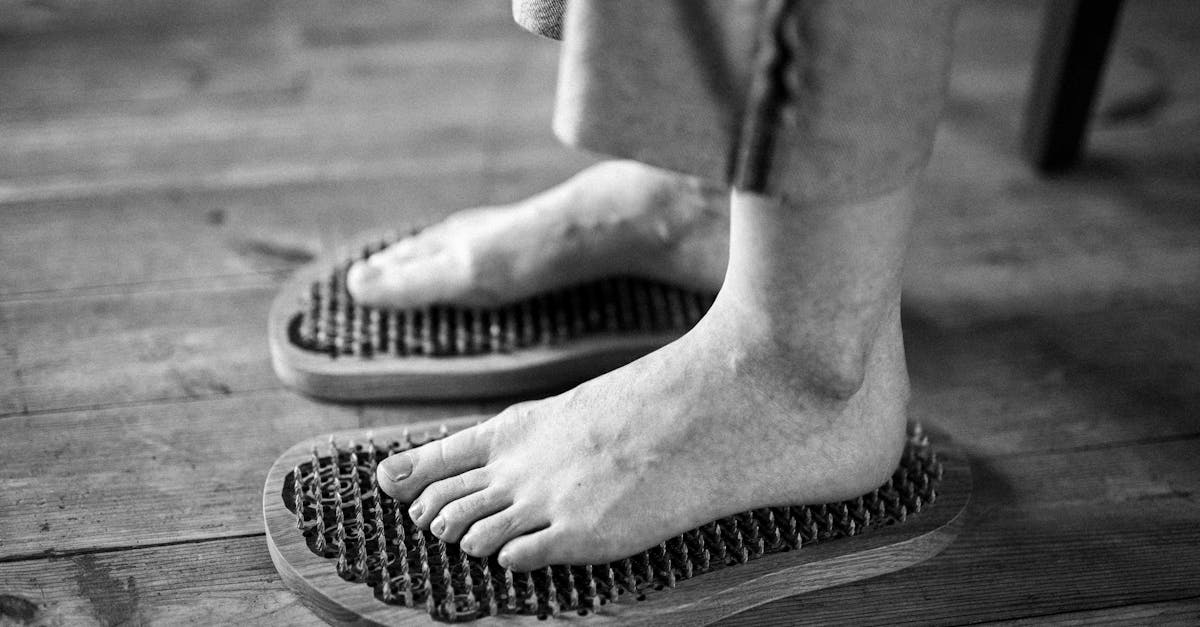
A foot massager for circulation works by delivering oscillating motion to the feet and lower legs, activating the surrounding muscle tissue and encouraging blood to move upward through the venous system rather than pooling in the extremities. People managing poor circulation, peripheral neuropathy, diabetes, restless legs syndrome, or chronic swelling benefit most from regular use of a therapeutic foot massager. FDA-registered Class I medical devices like the MedMassager Foot Massager are designed specifically for this purpose, offering clinic-grade oscillating power in a home unit.
You've probably noticed it by mid-afternoon: a heaviness in your feet, some puffiness around the ankles, or that dull, aching sensation that makes you want to kick off your shoes and prop your legs up. Poor foot circulation is one of the most common complaints among people who sit at desks all day, stand on hard floors for hours, or manage conditions like diabetes or peripheral neuropathy. A foot massager for circulation isn't just a comfort purchase — for many people, it's a daily therapeutic tool. This guide breaks down how foot massagers support circulation, what to look for when buying one, and which features actually matter for your specific needs.
Why Circulation Suffers in the Feet First
The feet and lower legs are the farthest points from the heart, which makes them the first place circulatory problems show up. Understanding why circulation fails here helps explain what a good therapeutic foot massager actually needs to do.
The Mechanics of Poor Circulation
Blood travels down to the feet relatively easily — gravity helps. The return trip is harder. The venous system relies on a combination of muscular contractions in the calf, one-way valves in the veins, and body movement to push blood back upward toward the heart. When any part of that system is compromised — through prolonged sitting, sedentary lifestyle, nerve damage, or vascular disease — blood begins to pool in the lower extremities.
Pooling leads to a cascade of symptoms: swelling (edema), skin discoloration, feelings of heaviness, cramping, and in severe cases, increased risk of blood clots or venous ulcers. The American Heart Association notes that peripheral artery disease affects a significant portion of adults over 50, and many more experience milder forms of poor circulation that go undiagnosed for years.
Conditions That Worsen Foot Circulation
Several common conditions directly impair blood flow to the feet:
- Peripheral neuropathy: Nerve damage reduces sensation and natural muscle activation in the feet, allowing blood to settle without the normal movement cues that would prompt circulation.
- Diabetes: Elevated blood glucose levels damage small blood vessels over time, narrowing pathways and reducing the efficiency of circulation in the extremities.
- Restless legs syndrome (RLS): Circulatory stagnation at night is a known contributor to RLS discomfort, particularly during long periods of rest.
- Plantar fasciitis: Reduced movement during recovery periods means blood tends to settle in the heel and arch rather than continuing to circulate.
- Venous insufficiency: Weakened vein walls or damaged valves make it harder for blood to travel upward, leading to chronic pooling and swelling.
- Prolonged sitting or standing: Even without an underlying condition, static postures deprive the calf muscle pump of the movement it needs to push blood upward.
Why Standard Massage Isn't Enough
Manual massage from a therapist can help temporarily, but it isn't a practical daily option for most people. Consumer-grade vibration massagers often deliver surface-level stimulation without the depth needed to meaningfully activate calf musculature. This is where oscillating technology — and the design choices behind professional-grade therapeutic massagers — makes a real difference.
How a Foot Massager Supports Circulation
The mechanism behind an effective foot massager for circulation goes deeper than simple vibration. Oscillating motion activates the muscle tissue throughout the foot and lower leg, creating a pumping effect that mimics the natural action your calf muscles perform during walking.
Oscillation vs. Surface Vibration
Most consumer foot massagers on the market use basic vibration motors — rapid surface-level buzzing that stimulates the skin and superficial tissue but doesn't meaningfully engage deeper muscle. Oscillation moves differently: it produces a sweeping, back-and-forth motion at therapeutic frequencies that penetrate into the muscle belly, engaging the same muscle contractions that normally drive the venous pump.
MedMassager's Foot Massager delivers professional-grade oscillating motion across a surface plate that accommodates the entire foot. This oscillation activates the calf muscles, pushing blood upward instead of letting it pool in the feet — the same mechanism physical therapists rely on when recommending motorized foot movement for bedridden or low-mobility patients.
The Calf Muscle Pump Effect
The calf muscle group — particularly the gastrocnemius and soleus — acts as a secondary pump for the venous system. Every contraction squeezes blood upward through the veins toward the heart. Repeated foot motion on an oscillating platform activates these muscles, pushing blood upward rather than letting it pool. This is the central mechanism that makes oscillating foot massagers therapeutically meaningful rather than just comfortable.
For people with diabetes, neuropathy, or limited mobility, natural calf activation is reduced. A foot massager that drives oscillation through the platform provides a passive substitute for that movement — useful during TV time, desk work, or evening rest periods when walking isn't happening.
Circulation Benefits by Condition
The underlying mechanism is consistent, but the application varies by condition:
- Neuropathy: Continuous movement helps keep blood flowing through the feet when natural movement is limited.
- Diabetes: Repeated foot motion activates the calf muscles, pushing blood upward instead of letting it pool in the feet.
- Plantar fasciitis: Oscillating motion keeps blood flowing through the foot instead of settling during rest.
- RLS: Continuous oscillation introduces low-level movement in the legs, helping prevent prolonged stillness that triggers RLS discomfort.
- Heel spurs: Gentle, repeated movement prevents blood from sitting in the heel for extended periods.
People living with these conditions make up a large part of our customer base at MedMassager, and many report that consistent daily use — even 15–20 minutes in the evening — makes a meaningful difference in overnight swelling and morning discomfort.
What to Look for in a Foot Massager for Circulation
Not every foot massager is built for circulation support. This buying guide covers the features that separate therapeutic-grade devices from general wellness products.
Oscillation Technology vs. Vibration Motors
This is the most important distinction. True oscillating foot massagers move the entire platform in a sweeping motion that engages the foot and lower leg musculature. Basic vibration motors buzz at high frequency without producing meaningful muscle activation. When evaluating any foot massager for circulation specifically, look for oscillating platform design rather than standard vibration motors embedded in the housing.
MedMassager's therapeutic foot massagers use oscillating technology designed to deliver the kind of deep, consistent movement used in physical therapy and clinical rehabilitation settings — not the surface-level buzz of a typical spa product.
Speed Range and Adjustability
Circulation support isn't a one-size setting. A good foot massager should offer a meaningful range of speeds — ideally several distinct settings from gentle to vigorous — so users can start low and increase intensity as needed. Starting low is especially important for people with diabetes or neuropathy who may have reduced sensation. Variable speed control also makes the device appropriate for recovery use immediately after standing all day versus more active therapeutic use.
The MedMassager Foot Massager offers multiple speed settings across its therapeutic range, giving users precise control rather than a single fixed intensity.
Platform Size and Foot Coverage
Effective circulation support requires contact across the full plantar surface of the foot. Massagers with small platforms, narrow coverage areas, or exclusively heel/ball targeting miss significant portions of the foot and limit the calf activation effect. Look for a full-foot platform that accommodates larger foot sizes without requiring repositioning mid-session.
Build Quality and Clinical Credibility
For any device making therapeutic claims, FDA registration matters. An FDA-registered Class I medical device has met the regulatory requirements for therapeutic use — that's a different standard than a general wellness gadget sold as a relaxation tool. If you're managing a diagnosed condition like diabetes or peripheral neuropathy, this distinction is worth considering when you compare options.
Look for:
- FDA-registered classification (Class I medical device)
- Solid motor construction rated for daily use, not occasional sessions
- Non-slip platform base for safety during use
- Warranty and manufacturer support from a dedicated medical device company
Portability and Ease of Use
A foot massager that's inconvenient to use won't get used. For circulation support, consistency matters more than intensity — a 15-minute session daily outperforms an hour-long session once a week. Choose a unit that fits easily under a desk, beside a couch, or in a bedroom so it integrates naturally into your existing routine without becoming a setup project.
MedMassager vs. Typical Consumer Options
The foot massager market divides roughly into two tiers: general consumer products built for relaxation, and clinical-grade devices built for therapeutic outcomes. Here's how those tiers compare across the features that matter most for circulation.
Side-by-Side Comparison
| Feature | MedMassager Foot Massager | Typical Consumer Foot Massager |
|---|---|---|
| Primary mechanism | Oscillating platform (therapeutic) | Vibration motors or kneading nodes |
| FDA status | FDA-registered Class I medical device | General wellness product |
| Calf muscle activation | Yes — oscillation engages calf pump | Minimal to none |
| Speed control | Multiple therapeutic settings | Limited (often 2-3 settings) |
| Built for daily therapeutic use | Yes | Often not rated for daily use |
| Suitable for neuropathy/diabetes | Designed for people managing these conditions | Not specified; no clinical context |
| Platform coverage | Full-foot oscillating surface | Varies; often partial or zone-based |
Who Should Choose the MedMassager Foot Massager
The MedMassager Foot Massager is built for people who need more than relaxation. It's the right choice if you're managing a condition that directly affects circulation — diabetes, peripheral neuropathy, venous insufficiency, restless legs, or chronic lower limb swelling — or if you spend long hours sitting or standing and feel the impact in your feet daily.
It's also the appropriate choice if you want a device rated for consistent, therapeutic-frequency daily use rather than occasional sessions. MedMassager's design has been shaped over more than 15 years by feedback from physical therapists, medical professionals, and patients managing real circulatory conditions — not by wellness trend cycles.
Explore the full range of MedMassager therapeutic foot massagers to find the model that fits your needs.
How to Use a Foot Massager for Circulation
Consistency and correct technique matter more than duration. Here's how to get the most circulatory benefit from daily use.
Recommended Daily Routine
- Choose your timing: Evening use — after your main activity period — is ideal for most people. Blood has been pooling throughout the day, and a 15–20 minute session before bed helps clear that pooling before overnight rest. Desk workers can also benefit from midday use to break up prolonged sitting.
- Start at a lower speed: Begin at a lower oscillation setting for the first 2–3 minutes to warm up the foot and ankle tissue. This is especially important for people with neuropathy or diabetes who may not feel discomfort at higher intensities until after the session.
- Increase to a comfortable therapeutic level: After the warm-up, increase to a speed that produces visible foot and lower-leg movement. You should see and feel the calf muscles engaging — that's the pump effect working.
- Duration: 15–20 minutes per session is the standard recommendation for circulation support. Sessions longer than 30 minutes don't necessarily provide additional circulatory benefit and may cause fatigue in undertrained muscle tissue.
- Position your legs correctly: Keep feet flat on the platform with both heels and the ball of the foot in contact. Avoid propping your legs at steep angles that restrict blood flow from the thigh downward.
- Hydrate after each session: Movement encourages the lymphatic system to flush metabolic waste. Drinking water after a session supports that process.
Frequency Guidelines by Condition
Daily use is appropriate for most people seeking general circulation improvement. For those managing specific conditions, the following general guidance applies — but always confirm with your healthcare provider:
- General poor circulation / desk workers: Once daily, 15–20 minutes
- Peripheral neuropathy: Once daily, starting at lower speeds; monitor skin carefully after sessions
- Diabetes: Once daily with skin inspection before and after; consult your physician regarding appropriate intensity
- RLS: Evening session, 15–20 minutes before bed; some users benefit from a brief second session if symptoms wake them at night
- Post-standing recovery: Immediately after shift work or prolonged standing, 10–15 minutes at moderate intensity
What to Avoid
A few practices reduce the effectiveness of foot massager sessions or create safety concerns:
- Using the massager on open wounds, active infections, or areas with compromised skin integrity
- Running sessions on a high setting immediately without a warm-up period
- Using a foot massager as a substitute for medical treatment of diagnosed vascular conditions without physician guidance
- Ignoring post-session soreness in people with neuropathy, who may not feel discomfort during use
Frequently Asked Questions
Does a foot massager actually improve circulation?
Yes — oscillating foot massagers support circulation by activating the calf muscles through repetitive mechanical motion, which drives the venous pump that returns blood from the lower extremities to the heart. This is the same mechanism that makes walking effective for circulation. Research into passive lower-limb movement devices consistently shows improvements in venous blood flow velocity compared to complete rest. The key is oscillating or movement-based technology, not simple surface vibration.
How long should I use a foot massager for circulation?
Most therapeutic guidelines recommend 15–20 minutes per session for meaningful circulation support. Sessions shorter than 10 minutes may not provide sufficient calf muscle activation to significantly move pooled blood. Extending sessions beyond 30 minutes does not proportionally increase benefit and may cause fatigue in people who are sedentary or have muscle weakness in the lower leg.
Is a foot massager safe for people with diabetes?
A foot massager can be used by people with diabetes, but with important precautions. Because diabetes-related neuropathy reduces sensation in the feet, users may not feel if a setting is too intense or if skin irritation is occurring during the session. Always inspect the feet before and after use, start at the lowest speed setting, and consult your physician or podiatrist before beginning regular use — especially if you have active foot wounds, ulcers, or advanced neuropathy.
What is the difference between an oscillating and a vibrating foot massager?
Vibration massagers use high-frequency motors that produce surface-level buzzing sensation, primarily stimulating skin and superficial tissue. Oscillating foot massagers produce a sweeping, back-and-forth platform motion at therapeutic frequencies that penetrate deeper into the foot and lower leg musculature, engaging calf muscle contractions that drive blood upward through the veins. For circulation specifically, oscillating technology provides a more meaningful physiological effect than standard vibration.
Can a foot massager help with swollen feet and ankles?
Foot massagers that produce calf muscle activation can help reduce mild to moderate edema (swelling) in the feet and ankles by encouraging blood and lymphatic fluid to move upward rather than pool in the lower extremities. This is most effective for swelling caused by prolonged sitting or standing, not for edema resulting from cardiac, renal, or hepatic conditions. If swelling is sudden, severe, or accompanied by pain or redness, consult a physician before using any massager.
How often should I use a foot massager for poor circulation?
Daily use is appropriate for most people managing poor circulation in the feet and legs. Consistency matters more than session length — a 15-minute daily session produces more circulatory benefit over time than occasional longer sessions. People managing chronic conditions like peripheral neuropathy, diabetes, or venous insufficiency typically benefit most from making foot massager use a fixed part of their evening routine.
Can I use a foot massager if I have restless legs syndrome?
A foot massager may help manage RLS discomfort, particularly when used in the evening before bed. In a published clinical study, participants using the MedMassager showed significant improvement in RLS symptom severity compared to a control group over a 4-week randomized trial. Continuous oscillation introduces low-level movement in the legs, helping prevent the prolonged stillness that commonly triggers RLS sensations. Always discuss RLS management with your neurologist or physician before adding a new therapeutic tool to your routine.
The Bottom Line
If you're managing poor circulation in your feet — whether from a sedentary lifestyle, a diagnosed condition, or years of demanding work on your feet — a foot massager for circulation is one of the most practical therapeutic tools available for daily home use. The key is choosing a device built for the job: oscillating platform technology that activates the calf pump, clinic-grade construction rated for daily therapeutic sessions, and FDA-registered status that reflects genuine medical device standards.
MedMassager's Foot Massager checks those boxes. It's designed specifically for people living with neuropathy, diabetes, restless legs, chronic swelling, and the everyday effects of poor venous return — not as a spa treat, but as a therapeutic tool meant to be used every day.
Browse the full lineup of MedMassager foot massagers for circulation, or explore our therapeutic body massagers if you're also managing circulation issues in the lower back, calves, or thighs. To compare all available options, visit our complete product collection.
This content is for informational purposes only and is not intended as medical advice, diagnosis, or treatment. Always consult a qualified healthcare professional before starting any new treatment or therapy. MedMassager products are FDA-registered Class I medical devices.


