
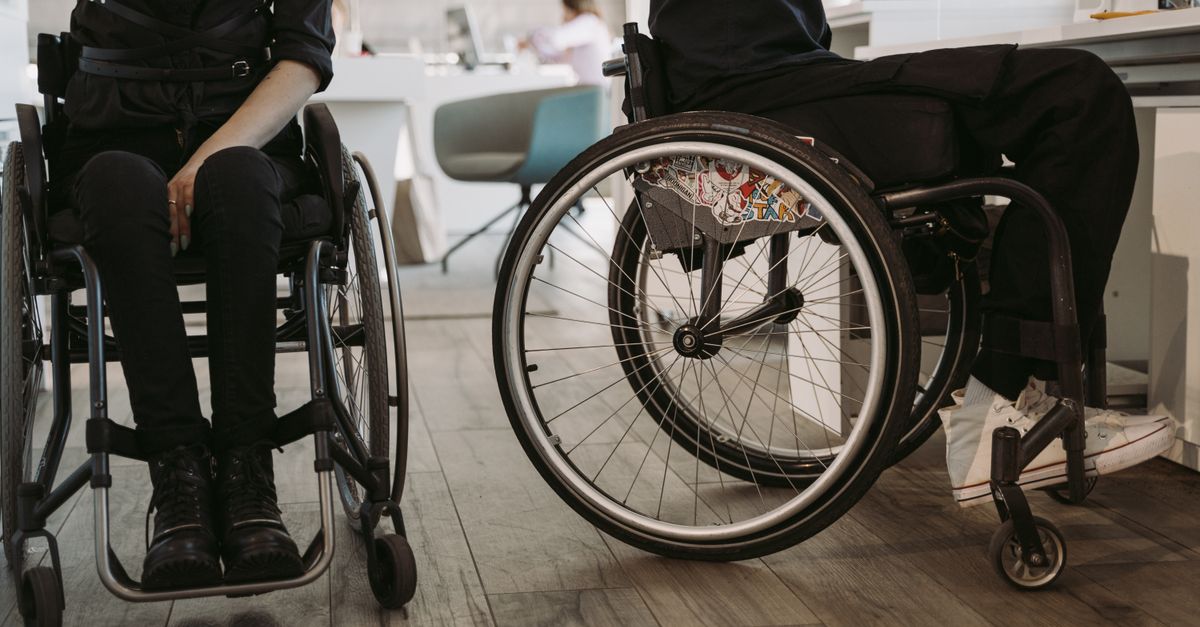
A foot massager for wheelchair users is a floor-based therapeutic device that oscillates or vibrates against the soles and calves while a person remains seated, without requiring them to stand, bend, or transfer out of their chair. The best models for wheelchair use have a low, stable platform, a wide non-slip surface, and easy-to-reach controls so the unit can be positioned under a footrest safely. MedMassager's oscillating Foot Massagers are FDA-registered Class I medical devices designed to support circulation in the lower legs during long periods of seated immobility. Anyone with a spinal cord injury, reduced sensation, or a diagnosed circulation condition should coordinate use with a physician or physical therapist before starting.
If you or someone you care for spends most of the day in a wheelchair, you already know how the feet and lower legs can feel by late afternoon: heavy, cold, or noticeably swollen. A foot massager for wheelchair users addresses that specific problem, delivering therapeutic movement to the feet and calves without asking the user to stand, bend, or transfer.
That matters for caregivers managing daily transfers, for people with spinal cord injuries who can't easily flex their ankles on their own, and for anyone whose routine keeps them seated for eight, ten, or twelve hours at a stretch. The right unit slides under a footrest, stays put on the floor, and can be operated without reaching or bending. The wrong one ends up in a closet.
Why Extended Sitting Affects Foot Circulation
The lower legs rely on movement to keep blood moving efficiently back toward the heart. When a person stands or walks, the calf muscles contract with every step and squeeze the veins in the lower leg, pushing blood upward against gravity. Clinicians sometimes call this the "calf muscle pump." For someone who sits for most of the day, whether by choice, injury, or disability, that pump barely activates.
The Calf Muscle Pump and Seated Immobility
Mayo Clinic notes that prolonged sitting contributes to poor venous return and swelling in the lower legs, because gravity pulls blood downward while the muscles that would normally help push it back up stay largely inactive. For wheelchair users, this isn't an occasional inconvenience from a long flight or a desk job. It's a daily reality that can compound over months and years without some form of intervention.
Added Risk for Spinal Cord Injury and Reduced Sensation
People living with a spinal cord injury often face a compounding issue: reduced or absent motor control below the level of injury means the calf muscle pump may not activate at all, even involuntarily. Reduced sensation can also mask early warning signs like numbness, tingling, or skin changes that would normally prompt someone to shift position. Common contributors to poor lower-leg circulation in wheelchair users include:
- Limited or absent voluntary movement in the legs and feet
- Extended pressure on the same seated surfaces for many hours
- Reduced ability to sense temperature, pressure, or numbness in the feet
- Underlying conditions such as diabetes or peripheral vascular disease
None of this makes circulation problems inevitable. It does explain why lower-limb circulation deserves deliberate, daily attention for anyone who uses a wheelchair as their primary mobility device.
How Vibration and Oscillation Support Circulation
Most people searching for a foot massager for wheelchair users are picturing a vibration foot massager, since that's the term most shoppers use and the one that dominates search results. MedMassager uses oscillating technology to deliver deeper, more controlled vibration than conventional massagers, moving the foot back and forth in a defined pattern rather than just buzzing against the skin's surface.
What Oscillation Actually Does
Continuous movement helps keep blood flowing through the feet when natural movement is limited. Instead of relying on the user's own muscles to contract, an oscillating platform physically moves the sole of the foot, which stimulates the surrounding tissue and encourages local blood flow. It's the same mechanical principle used in clinic-grade equipment, scaled for home use. In practical terms, an oscillating platform does three things a seated user can't easily do alone:
- Moves the sole of the foot through a controlled, repeatable path
- Transmits that movement up into the calf muscles without voluntary effort
- Sustains the motion for a full session at a steady, adjustable intensity
Why Seated Positioning Matters
Because the unit sits on the floor rather than requiring a standing user, it fits naturally into a wheelchair user's day. A person can roll up to the device, place their feet on the platform, and use it for a set period without a transfer. That's one reason a floor-based therapeutic foot massager tends to work better for wheelchair users than massagers designed to be worn or strapped on, which can be difficult to put on independently.
Choosing a Foot Massager for Wheelchair Users
Not every foot massager on the market was designed with a wheelchair user in mind. A few buying considerations matter far more here than they would for a standing user shopping for occasional foot relief.
Platform Height and Footrest Clearance
Standard wheelchair footrests sit at a specific height above the floor, and a massager platform that's too tall can force an awkward leg angle or make it impossible to rest the heel comfortably. Look for a low-profile platform. Measure the distance between your footrest and the floor before ordering so the unit fits the way you actually sit.
Stability and a Non-Slip Base
A massager that shifts or walks across the floor during use is frustrating for anyone, and for someone with reduced leg sensation it becomes a genuine injury risk if the chair's wheels aren't locked. A wide, rubberized, non-slip base is not optional here. It's a safety feature.
Control Access
Controls that require bending down or reaching behind the unit are a poor fit for a seated user with limited trunk mobility. Favor models with intensity settings that are easy to reach with a hand or a light foot tap, and consider whether a caregiver will typically be the one adjusting them.
Intensity Range and Surface Design
People with reduced sensation benefit from a wider range of intensity settings, since it's easier to start low and adjust gradually without guessing. A textured, contoured surface that supports the arch and heel also helps distribute pressure evenly across the sole rather than concentrating it in one spot. When comparing MedMassager foot massager models, use this short checklist:
- Low platform height that clears standard wheelchair footrests
- Wide, non-slip rubber base to prevent sliding during use
- Multiple intensity levels, including a genuinely gentle low setting
- Controls positioned for easy reach from a seated position
- A contoured surface that supports the arch, heel, and calf
Transfer, Positioning, and Stability Considerations
Getting the massager positioned correctly matters as much as the massager itself. Before use, lock the wheelchair brakes so the chair can't roll while the feet are resting on an active platform. Position the unit close enough that the knees sit at a comfortable, neutral angle rather than fully extended or sharply bent, since either extreme can create pressure on the hamstrings or lower back over the course of a session.
Setting Up the Space
Clear the area around the footrest of cords, rugs, or clutter that could interfere with wheeling into position. If a caregiver is assisting, they should place the feet on the platform rather than have the user reach or shift unassisted, particularly for anyone with limited trunk control or balance while seated. A quick pre-session check covers most of the risk:
- Wheelchair brakes locked
- Massager flat on a hard, level surface and centered under the footrest
- Knees at a neutral angle with both heels fully supported
- Cords and loose rugs moved clear of the path
Watching for Skin and Sensation Changes
For users with reduced sensation, a caregiver or the user should visually check the feet before and after each session for redness, marks, or skin changes, since pain signals that would normally prompt someone to reposition may not register. If any unusual skin change appears, pause use and consult a physician before continuing.
Building a Daily Foot Massage Routine
Consistency matters more than intensity for supporting circulation in the lower legs. A short daily session is generally more useful than an occasional long one. A simple sequence works well:
- Lock the wheelchair brakes and position the footrest so the massager platform sits directly beneath it.
- Start with the lowest intensity setting for the first one to two minutes, especially the first few times you use the device.
- Increase gradually to a comfortable moderate setting for a session of 10 to 15 minutes.
- Check the feet visually for redness or skin changes immediately after the session.
- Repeat once or twice daily, adjusting frequency based on comfort and any guidance from a physician or physical therapist.
Many caregivers find it easiest to attach this to an existing habit, such as right after a morning transfer or before bed, so it doesn't get skipped. A professional-grade vibration foot massager built for daily use can handle that kind of schedule without the wear that lighter, travel-style units show after a few months.
Special Considerations for Spinal Cord Injury and Caregivers
Wheelchair users with a spinal cord injury or a diagnosed circulation condition should treat a foot massager as one part of a broader care plan, not a standalone fix. This article focuses on positioning, product selection, and day-to-day use. The physiology of massage after spinal cord injury and technique-specific guidance is a deeper topic best covered with a physician or physical therapist who understands the individual's injury level and medical history.
When to Involve a Physician or Physical Therapist
Some situations call for professional input before a new massage routine begins, particularly where mechanical stimulation may not be appropriate. Check with a clinician first if any of the following apply:
- A spinal cord injury at any level
- A history of deep vein thrombosis or blood clots
- Uncontrolled diabetes or diabetic neuropathy
- Significantly reduced or absent sensation in the feet
- Open wounds, sores, or recent surgery on the legs or feet
What Caregivers Should Watch For
Caregivers play a key role in monitoring comfort and skin condition during sessions, since the user may not always be able to report discomfort clearly. A caregiver should confirm that the wheelchair is fully braked and the user is stable before starting the device, and should feel free to adjust or stop the session at any sign of concern. Beyond the feet, many wheelchair users carry tension in the shoulders and upper back from daily transfers and self-propulsion, a separate area a body massager built for seated use can help address.
Frequently Asked Questions
Can wheelchair users safely use a foot massager?
Yes, in most cases a floor-based foot massager can be used safely from a wheelchair, provided the wheels are locked and the platform is positioned so the feet rest naturally without straining the knees or hips. Users with reduced sensation, a spinal cord injury, or a diagnosed circulation condition should check with a physician or physical therapist first to confirm it's appropriate for their specific situation.
Does a foot massager help with circulation for wheelchair users?
A foot massager that uses oscillating or vibrating motion can help support local blood flow by physically moving the foot and stimulating surrounding tissue when a user's own muscle activity is limited. It does not replace the natural calf muscle pump entirely, but it introduces mechanical movement the body would otherwise be missing during long seated periods. Treat it as a supportive daily tool rather than a treatment for any diagnosed circulation condition.
What foot massager features matter most for seated use?
A low platform height, a wide non-slip base, and controls positioned within easy reach matter most for seated use. Multiple intensity settings are also important, since users with reduced sensation often need to start lower and adjust more gradually than someone with full sensation.
How often should a wheelchair user use a foot massager?
A common approach is one to two sessions per day, lasting roughly 10 to 15 minutes each, adjusted based on comfort and any specific guidance from a healthcare provider. Starting with shorter sessions at a lower intensity and building up gradually is safer than beginning at a high setting.
Is it safe to use a foot massager with reduced foot sensation?
It can be, but it requires extra caution, since pain signals that would normally prompt someone to stop or reposition may not register clearly. Starting on the lowest intensity setting and checking the skin before and after each session helps reduce risk. Anyone with significantly reduced sensation should get guidance from a physician before beginning regular use.
Should someone with a spinal cord injury check with a doctor first?
Yes, anyone with a spinal cord injury should talk with a physician or physical therapist before starting a new foot massage routine, since injury level, sensation, and circulation status vary significantly from person to person. This is particularly important for anyone with a history of blood clots or significant swelling, because mechanical stimulation isn't appropriate for every condition.
Can a caregiver operate the foot massager for someone else?
Yes, caregivers commonly assist with positioning the feet, selecting the intensity setting, and monitoring the skin during and after sessions, especially for users with limited hand mobility or reduced sensation. That hands-on role helps keep the device used safely and consistently as part of a daily routine.
Bottom Line: Foot Massagers for Wheelchair Users
A foot massager for wheelchair users can be a genuinely useful daily tool for supporting circulation during long periods of seated immobility, but the right choice depends on platform height, stability, and how well the unit fits your specific footrest setup. Look for a low, non-slip, floor-based device with adjustable intensity and controls that don't require reaching or bending. For users with a spinal cord injury, diabetes, or any diagnosed circulation condition, loop in a physician or physical therapist before starting a routine. MedMassager's FDA-registered Class I Foot Massager collection is built with the low-profile, stable platforms this kind of seated use requires.
This content is for informational purposes only and is not intended as medical advice, diagnosis, or treatment. Always consult a qualified healthcare professional before starting any new treatment or therapy. MedMassager products are FDA-registered Class I medical devices.


