
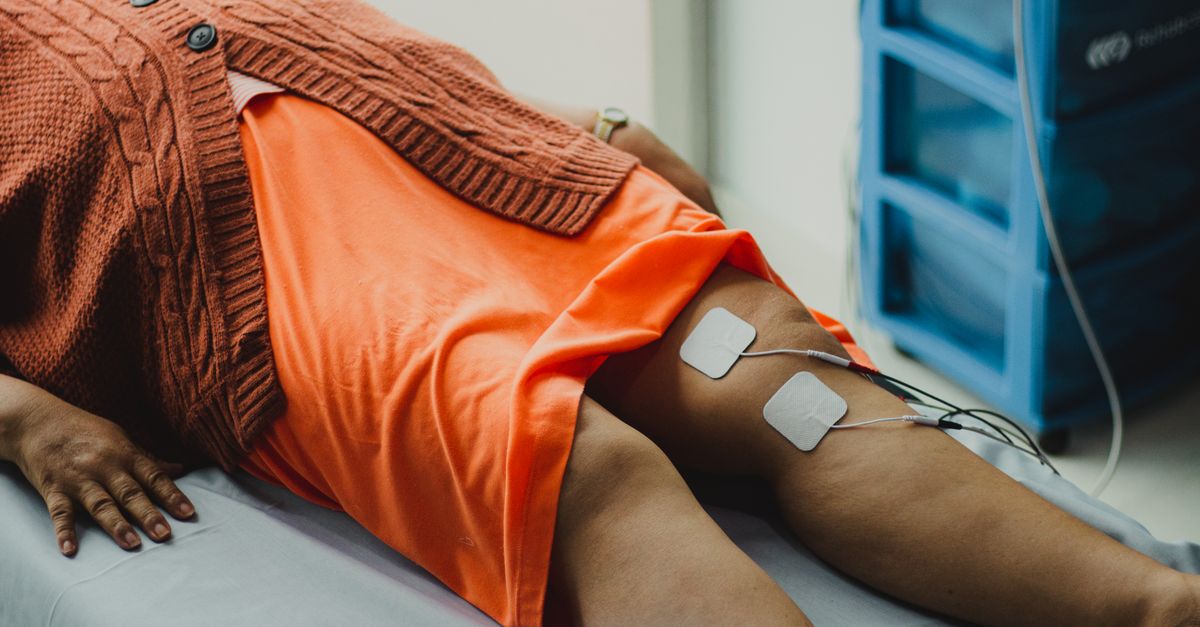
Leg cramps during dialysis are caused primarily by rapid fluid removal and electrolyte shifts — particularly drops in sodium, potassium, magnesium, and calcium — that occur as the dialysis machine clears waste and excess fluid from the blood. These shifts cause muscle cells to contract involuntarily, most commonly in the calves, feet, and thighs. Cramps can occur during a session as fluid targets are reached, or in the hours after dialysis as the body continues to recalibrate. Managing dialysis-related leg cramps involves working closely with your care team on fluid and electrolyte balance, along with comfort measures like positioning, gentle movement, and post-session massage.
You've made it through another dialysis session, but now your calves are seizing up — a sharp, involuntary cramp that stops you mid-stride on the way to the car. If this sounds familiar, you're not alone. Leg cramps during dialysis are one of the most frequently reported discomforts among patients on hemodialysis, yet practical guidance for managing them is hard to find outside a clinical setting. This post covers why these cramps happen from a physiological standpoint, what questions patients commonly raise with their care teams, what helps during and immediately after a session, and how gentle post-session foot and calf massage can support muscle comfort in the hours that follow.
Why Dialysis Causes Leg Cramps
Leg cramps during dialysis aren't random. They follow a predictable physiological pattern tied to how hemodialysis works — and understanding that pattern makes it easier to have informed conversations with your nephrologist and dialysis care team.
The Fluid Removal Problem
Hemodialysis removes excess fluid that has accumulated in the body between sessions. This process, called ultrafiltration, happens over three to five hours — compressing days of fluid accumulation into a single treatment window. When fluid is pulled out faster than the body can redistribute it from surrounding tissues back into the bloodstream, blood volume drops. The body responds by constricting blood vessels and reducing circulation to the extremities, including the legs and feet.
This reduced perfusion leaves muscle tissue in the calves and feet temporarily underperfused. When muscle cells don't receive adequate blood flow, they become more prone to involuntary contraction. The faster the ultrafiltration rate and the larger the total fluid removed — called interdialytic weight gain — the higher the likelihood of cramping.
Electrolyte Shifts During Treatment
Fluid isn't the only variable. Dialysis also clears electrolytes from the blood, and when key minerals drop too quickly, muscle function is directly affected. The primary culprits are:
- Sodium: Rapid drops in serum sodium affect osmotic pressure across cell membranes, disrupting the electrical signals muscles need to contract and relax normally.
- Potassium: Potassium is critical for muscle cell repolarization. A significant dip during dialysis can leave muscles in an irritable, easily triggered state.
- Calcium and magnesium: Both minerals play direct roles in muscle relaxation. Low ionized calcium in particular is a well-documented contributor to cramping during hemodialysis.
These shifts don't happen uniformly across every session. The dialysate composition your care team uses, your lab values going into treatment, and how much you've eaten or drunk before the session all influence how sharply these levels move. Research published in nephrology literature consistently identifies intradialytic cramps as one of the leading causes of early session termination.
When Cramps Hit: During vs. After Dialysis
Cramps during a session typically occur in the second half of treatment, as ultrafiltration targets approach and blood volume reaches its lowest point. Post-session cramps — which can appear minutes to several hours after leaving the dialysis center — tend to reflect the body's continued recalibration as fluid redistributes and electrolyte levels normalize. Both patterns share the same underlying mechanism; the timing simply reflects where in that process the muscle is most vulnerable.
What Patients Discuss With Their Care Teams
Dialysis teams are well aware of cramping as a complication, and there are several clinical levers they can adjust. These are decisions made by your nephrologist and dialysis nurses — not self-managed interventions — but knowing what options exist helps you ask the right questions.
Dialysate and Ultrafiltration Parameters
One of the most commonly discussed adjustments involves the dialysate sodium concentration. A higher sodium dialysate can help reduce the osmotic gradient that contributes to cramping, though this has to be balanced against thirst and fluid intake between sessions. Your team may also discuss slowing the ultrafiltration rate if you're consistently cramping in the final hour of treatment.
Some centers use ultrafiltration profiling — varying the rate of fluid removal throughout the session rather than holding it constant — as a strategy to reduce the likelihood of late-session cramps. This is a clinical protocol decision and varies by center and patient profile.
Dry Weight and Fluid Targets
Dry weight is the target weight your care team sets as the goal for end-of-session fluid removal — roughly the weight you'd be at with no excess fluid. If dry weight is set too low, the body is being pulled past its comfortable fluid floor, which increases cramping risk. Patients who consistently cramp near the end of sessions sometimes find that a reassessment of their dry weight target, in conversation with their nephrologist, changes the picture significantly.
Between sessions, limiting sodium intake and managing fluid consumption helps reduce the total volume that needs to be removed during each treatment. Smaller interdialytic weight gains mean less aggressive ultrafiltration, which directly reduces cramping risk. Your dietitian and care team can guide specific targets based on your labs and medical history.
Supplements and Lab Monitoring
If lab values show consistently low magnesium or calcium, your care team may discuss supplementation or adjustments to the dialysate mineral composition. These are not over-the-counter decisions — electrolyte supplementation in dialysis patients requires careful monitoring because the kidneys are no longer self-regulating these levels. Never add supplements without discussing them with your nephrologist first.
Movement and Positioning During Sessions
While clinical parameters are in your care team's hands, there are physical comfort strategies that patients use during sessions. Most involve gentle movement and positioning to keep blood circulating through the legs.
Foot and Ankle Movement During Treatment
Prolonged stillness during a three-to-five-hour session is itself a contributing factor to cramping. When the legs are motionless, blood tends to pool in the lower extremities. Simple, low-effort movements — ankle circles, gentle toe flexes, and alternating heel lifts — can keep the calf muscle pump active without stressing the access site or disrupting the circuit.
- Ankle circles: Rotate each ankle slowly in both directions, 10 rotations each, every 30–45 minutes during the session.
- Toe curls and flexes: Curl the toes down, hold briefly, then flex upward. This engages the intrinsic foot muscles and the calf without requiring leg movement.
- Heel raises: Lift the heels off the footrest while keeping the toes down. This contracts the calf directly and helps pump venous blood upward.
Always confirm with your dialysis nurse before beginning any movement routine during treatment. Access site placement and blood flow through the circuit take priority, and your team will know what's safe for your specific setup.
Chair Positioning and Leg Support
How your legs are positioned in the dialysis chair affects circulation. Legs that hang without support can compress the popliteal vessels behind the knee, reducing blood flow to the lower leg. Requesting a footrest or adjusting the chair angle so the legs are supported — not dangling — is a simple change that many patients find helpful. Some patients also find that slightly elevating the feet during the session reduces the sense of heaviness that precedes cramping.
Warmth During the Session
Cold environments and cool dialysis fluid can cause peripheral vasoconstriction, which reduces blood flow to the extremities. Keeping the legs warm with a blanket during treatment is a low-effort measure that supports peripheral circulation. Some patients bring their own lightweight blankets specifically for this purpose.
Post-Session Leg and Foot Massage
The period immediately after dialysis — particularly the first one to three hours — is when many patients experience the most noticeable residual cramping and leg heaviness. This is the window where gentle therapeutic massage can play a meaningful role in supporting muscle comfort.
Why Massage Helps Post-Dialysis Muscle Discomfort
After a session, the muscles of the calves and feet have spent several hours in a state of reduced perfusion and potential electrolyte fluctuation. Gentle oscillating vibration applied to the foot and lower leg helps keep blood flowing through the muscles during this recovery period. The calf muscle acts as a pump — when it contracts and relaxes rhythmically, it moves blood upward through the deep veins of the lower leg.
Repeated foot motion activates the calf muscles, pushing blood upward instead of letting it pool in the feet. For dialysis patients managing the post-session period, this kind of passive, low-effort stimulation can ease the tight, knotted sensation that often follows treatment — without requiring physical exertion at a time when fatigue is already high.
Using a Therapeutic Foot Massager Post-Session
A therapeutic foot massager designed for medical use is well-suited to this post-session recovery window. The MedMassager Foot Massager is an FDA-registered Class I medical device that uses oscillating technology to deliver consistent, controlled vibration through the foot and into the lower leg — without requiring the user to do anything but rest their feet on the platform.
This passive engagement matters for dialysis patients, who often experience significant fatigue following treatment. You don't need to exert effort to benefit from the calf activation that oscillating foot massage produces. Many patients managing chronic conditions use MedMassager's foot massagers specifically during rest periods when sitting or lying down is necessary but prolonged stillness worsens discomfort.
What to Look for in a Post-Dialysis Foot Massager
Not all foot massagers are appropriate for people on dialysis. Because dialysis patients have unique circulatory and skin sensitivity considerations, the device matters. Key features to look for include:
- Adjustable intensity: The ability to start at a very low speed and increase gradually allows you to find a comfortable level without overstimulating fatigued tissue. The MedMassager Foot Massager offers variable speed settings for exactly this reason.
- Oscillating motion: Oscillation produces a broad, rhythmic vibration through the foot platform rather than a concentrated impact point. This is gentler on sensitive feet while still activating the calf pump.
- Stable, seated-use platform: A foot massager that sits on the floor and operates while you're seated in a chair is ideal for post-dialysis use when standing and active movement aren't comfortable.
- Appropriate power: Professional-grade therapeutic massagers provide consistent oscillation at the intensity needed to activate the calf muscle effectively — light consumer devices often fall short.
Before using any massager post-dialysis, consult with your nephrologist or dialysis nurse. This is especially important if you have peripheral neuropathy, open skin at the access site, or significant peripheral vascular disease — all common in the dialysis population. Your care team can confirm whether massage is appropriate for your specific situation.
Living With Dialysis-Related Leg Cramps
Managing leg cramps on dialysis isn't a single-solution problem. It involves a combination of clinical management handled with your care team and day-to-day comfort strategies handled by you. Here's how those layers fit together in practice.
Between Sessions: Fluid and Sodium Discipline
The single biggest modifiable factor for cramping frequency is how much fluid needs to be removed at each session. Keeping interdialytic weight gain within your prescribed limit — typically set by your nephrologist based on your residual kidney function and body composition — reduces the ultrafiltration demand during treatment. Limiting sodium between sessions is directly connected to this, since sodium drives thirst and fluid retention.
Tracking Cramp Patterns
Keeping a simple log of when cramps occur — how far into the session, which muscles, severity, and what happened in the hours before (meals, fluid intake, sleep) — gives your care team actionable data. Cramps that consistently appear in the last 45 minutes of treatment suggest a different clinical adjustment than cramps that start midway through or only appear post-session. This kind of pattern tracking helps your team make more targeted changes to your treatment parameters.
Post-Session Routine for Leg Comfort
A practical post-session routine doesn't need to be elaborate. The goal is to support circulation in the legs during the recovery window without overexertion. Consider the following sequence:
- Sit or recline with legs supported — not dangling — for at least 20–30 minutes after returning home.
- Keep legs and feet warm. A light blanket over the lower legs reduces peripheral vasoconstriction.
- Use a therapeutic oscillating foot massager at a comfortable low-to-medium speed for 15–20 minutes. Start gently and adjust based on how your feet and calves feel.
- Perform slow, passive ankle circles and toe movements during or after massager use to supplement calf activation.
- Rest. Post-dialysis fatigue is real — the goal is comfort support, not exercise.
This kind of structured post-session approach, developed in consultation with your care team, gives the body a consistent recovery environment and reduces the likelihood of severe post-session cramping.
Frequently Asked Questions
Why do my legs cramp during dialysis but not every session?
Cramping frequency often varies based on how much fluid accumulated between sessions and what you ate or drank before treatment. Higher interdialytic weight gain requires more aggressive fluid removal, which increases cramping risk. Electrolyte levels going into a session also fluctuate based on diet, missed treatments, or illness — meaning the threshold for muscle cramping shifts from session to session. Consistent fluid and sodium management between sessions tends to reduce that variability over time.
How long do leg cramps after dialysis typically last?
Post-dialysis leg cramps most commonly occur in the first one to three hours after a session, as the body continues recalibrating fluid distribution and electrolyte levels. For most patients, individual cramp episodes last from a few seconds to a few minutes. Persistent or severe cramping that lasts longer than a few hours after every session is worth discussing with your nephrologist, as it may indicate that treatment parameters need adjustment.
Is it safe to use a foot massager if I'm on dialysis?
Many dialysis patients use gentle therapeutic foot massagers safely, but you should always consult your nephrologist or dialysis nurse before starting. Important considerations include the location of your vascular access, whether you have peripheral neuropathy or reduced skin sensitivity, and whether you have peripheral vascular disease. Your care team can advise on appropriate intensity levels and whether any areas should be avoided.
Can changing what I eat or drink reduce dialysis leg cramps?
Diet plays a meaningful indirect role in dialysis-related cramping. Reducing sodium intake between sessions decreases fluid retention, which lowers the total fluid your body needs to have removed during treatment. This reduces ultrafiltration demand — the primary driver of intradialytic cramping. Your dialysis dietitian can provide specific guidance on sodium, potassium, and fluid targets based on your current lab values and treatment parameters.
Should I stretch during a dialysis session if I feel a cramp coming on?
Mild movements — like flexing the foot upward or gently pressing the heel down — can help interrupt a developing cramp during a session. Large movements or repositioning should be done cautiously and with the dialysis nurse's awareness, since access site integrity and circuit flow are priorities. Inform your nurse immediately when a cramp begins so they can assess whether a clinical adjustment is also needed.
Why do dialysis cramps often hit the calves specifically?
The calf muscles are among the most metabolically active muscles in the lower leg and are highly sensitive to both perfusion changes and electrolyte fluctuations. They also receive blood flow last when the body prioritizes circulation to core organs during fluid stress. The combination of reduced peripheral circulation during ultrafiltration and electrolyte shifts — particularly in calcium, magnesium, and potassium — makes the calves disproportionately prone to involuntary contraction during dialysis.
Does quinine help with dialysis leg cramps?
Quinine was historically used for nocturnal leg cramps and discussed in dialysis contexts, but it is no longer recommended in most clinical guidelines due to serious potential side effects, including cardiac arrhythmia and thrombocytopenia. The FDA has warned against using quinine for cramps. Any discussion of medication options for intradialytic cramping should happen with your nephrologist, who can consider your full medical profile and current treatment protocols.
The Bottom Line
Leg cramps during and after dialysis are a direct consequence of the fluid removal and electrolyte shifts that hemodialysis requires — not a sign that something has gone wrong with your treatment. Understanding the mechanism helps you work more effectively with your care team on the clinical parameters that matter most: ultrafiltration rate, dry weight targets, dialysate composition, and electrolyte monitoring.
Alongside those clinical adjustments, practical comfort measures make a real difference. Movement during sessions, proper leg positioning, warmth, and a structured post-session recovery routine all contribute to fewer and milder cramps over time. For post-session calf and foot discomfort specifically, a professional-grade therapeutic foot massager provides passive oscillating vibration that helps keep blood circulating through the lower leg during the recovery window — when fatigue is high and active exercise isn't realistic.
If you're managing dialysis-related cramping and haven't found a routine that works, start by bringing your cramp log to your next care team appointment. The combination of the right clinical adjustments and consistent comfort measures — including tools like the MedMassager Foot Massager for post-session use — gives you the most complete approach to managing this common but disruptive complication.
This content is for informational purposes only and is not intended as medical advice, diagnosis, or treatment. Always consult a qualified healthcare professional before starting any new treatment or therapy. MedMassager products are FDA-registered Class I medical devices.


