
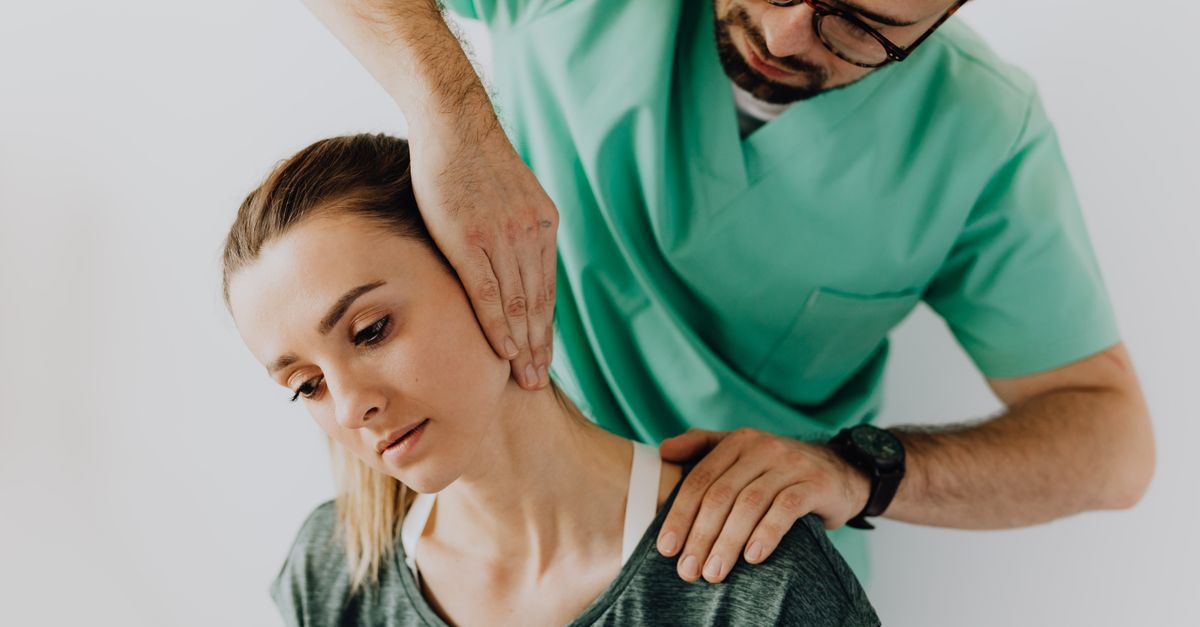
Stiff neck remedies for adults include heat application, gentle range-of-motion exercises, sustained stretching, and adjusting sleeping position to reduce overnight muscle tension. Therapeutic massage — whether manual or with a device using rotating nodes — helps loosen tight muscles and support blood flow through the neck and upper trapezius. Most mild to moderate neck stiffness responds well to consistent daily care, combining morning mobility work with evening heat and massage to break the cycle of tension that accumulates with age and prolonged sitting.
You wake up and the first thing you notice is that turning your head to check the time requires your whole upper body. Or maybe it's the end of the day, and hours of screen time have locked your neck into a forward-tilted position that feels nearly impossible to undo. For adults over 50, stiff neck remedies aren't just about finding temporary relief — they're about building a daily practice that keeps the problem from compounding week after week.
Neck stiffness in this age group tends to be chronic rather than acute. It's not usually one bad night's sleep or one awkward movement — it's years of accumulated tension, postural changes, and reduced muscle elasticity that make the same remedies your younger self used feel less effective. This guide covers the most practical at-home options across several remedy categories, so you can choose what fits your situation rather than following a one-size prescription.
Why Neck Stiffness Gets Worse After 50
Understanding what's actually happening in the tissue helps you choose the right remedy — and set realistic expectations for how quickly it will respond.
What Changes in the Neck With Age
The cervical spine consists of seven vertebrae stacked between the skull and upper thoracic spine, supported by a dense network of muscles, ligaments, and intervertebral discs. After age 50, several structural changes converge to make stiffness more persistent. Intervertebral discs lose hydration and height over time, a process called disc desiccation, which reduces the cervical spine's natural shock absorption and range of motion.
Muscle tissue also becomes less elastic and slower to recover from sustained positions. The trapezius, levator scapulae, sternocleidomastoid, and suboccipital muscles — the primary movers and stabilizers of the neck — are all prone to chronic tension in people who spend significant time sitting or looking at screens. Research from occupational medicine consistently identifies sustained static posture as one of the strongest predictors of neck pain in middle-aged and older adults.
The Role of Reduced Circulation
Muscle stiffness is partly a circulation problem. When muscles remain in a contracted or static position for extended periods, blood flow through the tissue slows. This allows metabolic waste products — including lactic acid — to accumulate in the muscle fibers, contributing directly to the aching, tight sensation associated with chronic neck stiffness.
Age-related reductions in cardiovascular efficiency mean less blood reaches peripheral muscle tissue at baseline, making the stiffness-circulation cycle harder to break without deliberate intervention. This is why purely passive rest — sitting still and hoping the tightness resolves — rarely works well after 50.
Posture and Forward Head Position
For every inch the head moves forward from its neutral position over the spine, the effective load on the cervical muscles increases substantially. A head that sits two inches forward of neutral places significantly more compressive force on the cervical spine than a head in neutral alignment. Over years of screen use and desk work, this forward head posture becomes a structural habit that the muscles must constantly compensate for, creating a near-permanent state of tension in the posterior neck and upper trapezius.
Heat Application: The Most Accessible Remedy
Heat is the most widely used and well-supported first-line remedy for muscular neck stiffness. Applying heat to the neck raises local tissue temperature, which causes blood vessels to dilate and increases circulation through the affected muscles. Enhanced blood flow delivers oxygen and nutrients to tight tissue while helping flush out the metabolic byproducts that contribute to the aching sensation.
When to Apply Heat
Heat works best on chronic, recurring stiffness — the kind that builds over days or weeks. It is not appropriate immediately following an acute injury (within the first 48-72 hours), where cold therapy is the standard recommendation to manage acute inflammation. For the chronic morning stiffness or end-of-day tightness that most adults over 50 are managing, heat is appropriate and generally safe.
- Morning stiffness: Apply heat for 10-15 minutes before attempting stretches or range-of-motion exercises. Warm tissue is more extensible and less likely to strain during movement.
- Evening tension: A heat session after work or before bed reduces the muscle tension that would otherwise persist overnight and restart the stiffness cycle the following morning.
- Before massage: Heat primes the tissue for deeper work. Whether you're using manual massage, a handheld device, or a neck massager, applying heat first makes the session more effective.
Choosing a Heat Source
Moist heat penetrates deeper than dry heat and is generally preferred for muscular stiffness. A moist heating pad, warm damp towel, or warm shower directed at the neck are all effective options. The key variable is consistent contact — a heat source that stays in contact with the posterior neck and upper trapezius for at least 10 minutes produces more meaningful tissue warming than brief application.
Stiff Neck Remedies That Involve Movement
Heat loosens tissue. Movement is what restores range of motion and prevents re-tightening. The two work best together, and both are essential components of a sustainable stiffness remedy routine.
Gentle Range-of-Motion Drills
Range-of-motion (ROM) drills are slow, controlled movements through the neck's natural planes of motion. They are not stretches — the goal is not to push to an end range but to move fluidly through as much of the available range as the tissue allows without discomfort. For adults managing chronic stiffness, ROM drills done consistently matter more than any single aggressive stretch session.
- Chin tucks: Sitting upright, gently draw the chin straight back (not down) to create a slight double-chin position. Hold 3-5 seconds, release. Repeat 8-10 times. This counteracts forward head posture and activates the deep cervical flexors.
- Slow lateral rotation: Turn your head to look over one shoulder as far as comfortable, pause for 2-3 seconds, return to center, repeat to the other side. Perform 6-8 slow repetitions per side.
- Side-bending: Gently lower one ear toward the same-side shoulder without raising the shoulder. Hold 3-5 seconds, return, repeat to the other side. 5-6 reps each direction.
- Flexion and extension: Slowly lower the chin toward the chest, pause, then gently lift the gaze upward without straining the back of the neck. 6-8 repetitions.
These drills are best performed after applying heat, either in the morning before starting the day or in the evening before bed. Avoid forcing any movement that produces sharp or radiating pain — that's a signal to work within a narrower range and consult a clinician if the symptom persists.
Sustained Stretching for Chronic Tightness
Unlike ROM drills, sustained stretching holds a muscle at or near its end range for an extended period — typically 30-60 seconds. Research on stretching consistently shows that holds under 15 seconds produce little lasting change in muscle length, while holds of 30 seconds or longer begin to affect the connective tissue. For adults over 50 managing chronic stiffness, sustained holds are more effective than brief bounced stretches.
The upper trapezius stretch is the most relevant for chronic neck stiffness. Seated upright, gently tilt the right ear toward the right shoulder while reaching the left arm slightly behind and downward to create a gentle opposing tension. Hold 30-45 seconds, then repeat on the other side for 2-3 rounds. The levator scapulae stretch builds on this by slightly rotating the head toward the lowered shoulder before applying the same gentle traction. Perform both after heat application and after ROM drills — not cold.
Sleeping Position and Overnight Stiffness
A significant portion of adult neck stiffness originates or worsens overnight. Eight hours in a suboptimal sleeping position is enough sustained load on the cervical muscles to undo whatever relief the previous day's remedies provided.
Best Sleep Positions for the Cervical Spine
Back sleeping with a supportive pillow that maintains the natural cervical curve is the most mechanically favorable position for the neck. The pillow should fill the space between the back of the skull and the mattress without pushing the head too far forward or allowing it to drop too far back. Memory foam or contoured cervical pillows are widely recommended by physical therapists for adults managing chronic neck stiffness.
Side sleeping is the second most favorable position, provided the pillow is thick enough to keep the cervical spine level with the thoracic spine. A pillow that's too thin allows the neck to drop toward the mattress; one that's too thick pushes the neck into lateral flexion all night. Both create sustained muscle load that accumulates over hours.
Stomach sleeping is consistently the least favorable position for the cervical spine. It requires sustained rotation of the neck to one side for hours at a time, placing asymmetric load on the cervical facet joints and surrounding musculature. If you're managing chronic stiffness and currently sleep on your stomach, transitioning to side or back sleeping is one of the highest-impact changes you can make.
Pre-Sleep Preparation
What you do in the 30 minutes before bed affects how your neck enters and sustains its overnight position. Screen use that tips the head forward, carrying stress tension into sleep, or skipping evening muscle care all contribute to waking with stiffness. A brief evening routine — heat application followed by 5 minutes of ROM drills or light stretching, then a short neck massage session — creates better overnight conditions than going to bed with accumulated tension still locked in the tissue.
Using a Neck Massager as a Daily Remedy
For adults over 50 managing chronic stiffness, consistent daily massage addresses the circulation and tissue tension components of the problem in a way that stretching alone cannot. Manual massage from a therapist is highly effective but not practical as a daily remedy. A therapeutic neck massager provides a realistic at-home alternative that can be incorporated into both morning and evening routines.
How Dual-Direction Nodes and Heat Work
The MedMassager Neck Massager uses dual-direction massage nodes that alternate rotation to mimic the kneading action of hand massage on the trapezius and surrounding cervical musculature. Rotating nodes combined with built-in heat warm and loosen tight muscles, supporting blood flow through the neck and addressing both the circulation and mechanical tension components of chronic stiffness simultaneously.
The built-in heat element amplifies the massage effect by pre-warming the tissue before the nodes engage, allowing deeper penetration of the mechanical movement without requiring more pressure. This combination is particularly relevant for adults over 50, where reduced tissue elasticity means cold, stiff muscles are more resistant to manual pressure alone.
Morning and Evening Session Structure
The most consistent results come from structured daily sessions rather than occasional use when stiffness peaks. A practical two-session framework for chronic neck stiffness management:
- Morning (5-8 minutes): Use the Neck Massager with heat before or during light morning activity. This warms the tissue before the day's sustained postures begin. Follow immediately with 5 minutes of ROM drills while the tissue is warm and receptive.
- Evening (8-10 minutes): Use the Neck Massager after the workday, targeting the upper trapezius and posterior neck where tension accumulates from screen time and sitting. Follow with sustained stretching holds of 30-45 seconds each before bed.
This two-session approach treats stiffness at both ends of the day — preventing it from setting in during morning activity and clearing it before it compounds overnight. Many people find the evening session the higher priority if they can only commit to one.
What to Look for in a Therapeutic Neck Massager
Not all neck massagers deliver equivalent results. For adults managing chronic stiffness rather than occasional soreness, the specifications that matter are:
- Built-in heat: Surface warmth applied simultaneously with massage accelerates tissue warming and reduces the pressure required to affect tight muscles.
- Dual-direction rotation: Bidirectional node rotation more closely replicates manual kneading than single-direction spin, which can feel one-dimensional and create friction.
- Adjustable intensity: Chronic stiffness in adults over 50 varies day to day — a device with adjustable pressure or speed allows you to match intensity to current tissue state.
- Ergonomic design: For neck use, a design that allows you to sit or lie comfortably while using the device improves session consistency.
The MedMassager Neck Massager is an FDA-registered Class I medical device built specifically for therapeutic neck and upper trapezius use, designed for people managing recurring conditions rather than occasional muscle soreness.
When At-Home Remedies Have Limits
Most chronic neck stiffness in adults responds to consistent at-home care. But some situations warrant professional evaluation.
Red Flags That Require Medical Attention
Consult a physician or physical therapist if neck stiffness is accompanied by any of the following:
- Pain, numbness, or tingling that radiates into the arms or hands (possible nerve involvement)
- Severe stiffness that appears suddenly without a clear mechanical cause
- Stiffness accompanied by headache, fever, or light sensitivity (these warrant urgent evaluation)
- Symptoms that worsen progressively over weeks despite consistent home care
- History of cervical spine surgery, fracture, or instability
Layering Professional Care With Home Remedies
At-home stiff neck remedies and professional care are not mutually exclusive. Physical therapy can identify specific muscular imbalances and prescribe targeted exercises that go beyond general ROM drills. Massage therapy sessions, chiropractic care, and acupuncture are all options that some adults find effective as part of a broader management approach. The home practice described in this article works well as the daily maintenance layer between professional sessions, or as a standalone approach for milder chronic stiffness.
Frequently Asked Questions
How long does it take for stiff neck remedies to show results?
Most adults managing chronic neck stiffness notice meaningful improvement within 2-4 weeks of consistent daily practice combining heat, movement, and massage. Acute stiffness from a single poor night's sleep often resolves within 24-48 hours with targeted heat and gentle ROM work. Chronic stiffness that has built over months or years generally requires sustained daily effort to achieve lasting improvement rather than temporary relief.
Is heat or ice better for a stiff neck?
Heat is generally more appropriate for chronic neck stiffness — the recurring tightness that develops from posture, age-related changes, and accumulated tension. Ice is better suited to acute injuries, such as a sudden strain or an episode with active swelling and sharp pain in the first 48-72 hours. Most adults over 50 managing day-to-day neck stiffness are dealing with a chronic pattern where heat is the appropriate choice. If you're unsure which applies to your situation, consult a healthcare provider.
What sleeping position is best for neck stiffness?
Back sleeping with a cervical-supportive pillow that maintains the natural curve of the neck is the most recommended position for reducing overnight neck stiffness. Side sleeping is also acceptable if the pillow height keeps the cervical spine level with the rest of the spine. Stomach sleeping consistently places the neck in prolonged rotation and is associated with increased cervical stiffness and pain, particularly in adults over 50.
Can neck stiffness be a sign of something serious?
Most neck stiffness in adults is mechanical in origin and not a sign of serious underlying pathology. However, neck stiffness accompanied by fever and severe headache can be a symptom of meningitis and warrants urgent medical evaluation. Stiffness with radiating pain, numbness, or weakness in the arms or hands may indicate cervical nerve involvement and should be assessed by a physician. Progressive worsening despite consistent care is also a reason to seek professional evaluation.
How often should I do neck stretches for chronic stiffness?
Daily practice produces better outcomes than sporadic sessions for chronic neck stiffness. A combination of gentle range-of-motion drills in the morning and sustained stretching holds in the evening — each session taking 5-10 minutes — provides consistent tissue input that gradually improves mobility over weeks. Performing stretches on warm tissue after heat application or a warm shower improves results and reduces the risk of overstretching.
Does a neck massager actually help with stiffness?
A neck massager that uses rotating massage nodes and built-in heat can help address both the circulation and muscular tension components of chronic neck stiffness. The combination of mechanical kneading and heat warms tight tissue, supports blood flow through the posterior neck and trapezius, and reduces the muscle tension that stretching alone cannot fully reach. Consistent daily use — particularly in morning and evening sessions — produces more sustained relief than occasional use when stiffness peaks.
Why is my neck stiff every morning?
Morning neck stiffness is typically caused by a combination of overnight sleeping position, pillow height, reduced overnight circulation, and tissue that tightens during prolonged inactivity. For adults over 50, reduced disc hydration and slower muscle recovery make the problem more pronounced. Addressing pillow support, adding an evening heat and massage session before sleep, and performing 5 minutes of gentle ROM drills immediately upon waking are the most direct remedies for persistent morning stiffness.
The Bottom Line on Stiff Neck Remedies
Chronic neck stiffness in adults over 50 is a layered problem — reduced tissue elasticity, postural load, circulation changes, and years of accumulated tension all play a role. The most effective approach is also layered: heat to warm the tissue, sustained stretching and ROM drills to restore movement, sleeping position adjustments to reduce overnight tension, and consistent daily massage to address what stretching alone can't reach.
No single remedy solves chronic stiffness on its own. The combination, done consistently, is what creates lasting change. For daily therapeutic massage at home, the MedMassager Neck Massager — with dual-direction rotating nodes and built-in heat — is built for exactly this kind of routine use.
If you're ready to build a daily practice around your stiff neck remedies, explore MedMassager's full line of FDA-registered therapeutic massagers to find the right tool for your situation.
This content is for informational purposes only and is not intended as medical advice, diagnosis, or treatment. Always consult a qualified healthcare professional before starting any new treatment or therapy. MedMassager products are FDA-registered Class I medical devices.


