
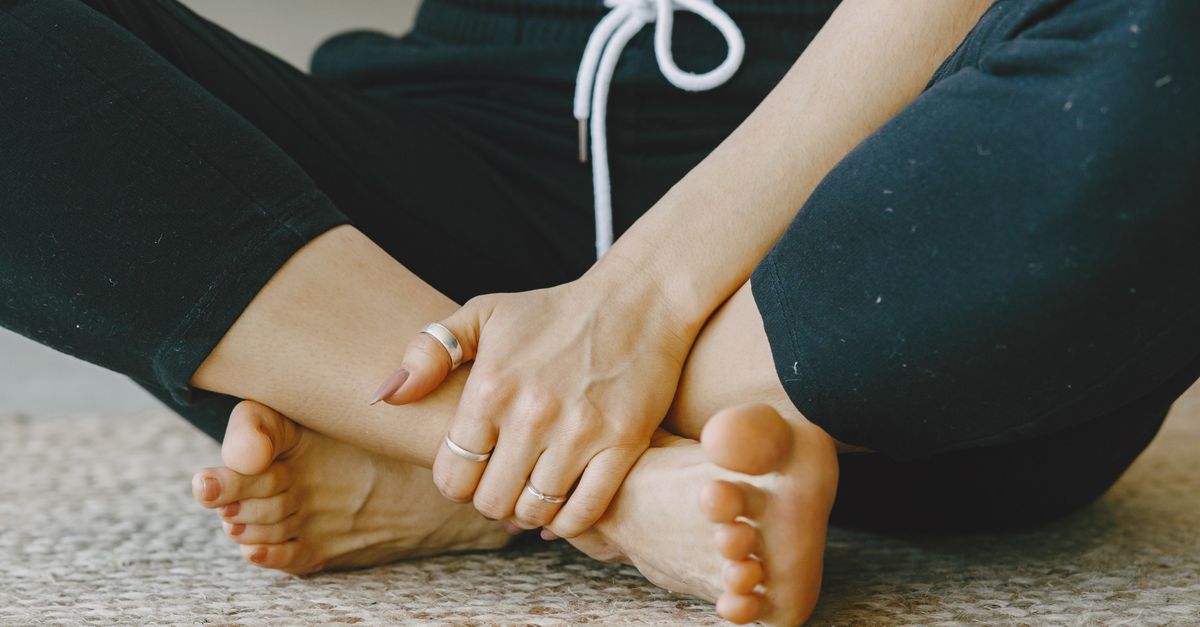
A bunionette, also called a tailor's bunion, is a bony prominence that forms on the outside of the foot at the base of the fifth (little) toe. It develops when the fifth metatarsal bone shifts outward, creating a visible bump that can become painful with friction from footwear. Unlike a standard bunion at the big toe joint, a bunionette affects the outer edge of the forefoot and is often aggravated by narrow or tight shoes pressing directly against the protrusion. Massage cannot reverse the structural bony change, but it can help relieve discomfort in the surrounding soft tissue and support circulation in the forefoot.
The little toe gets overlooked. Most conversations about bunions focus on the big toe — the classic, more common presentation — but anyone who has noticed a tender, reddened bump forming on the outer edge of their foot knows that the fifth toe can be just as problematic. A tailor's bunion, or bunionette, causes the same friction, the same aching pressure, and the same daily frustration of finding shoes that don't make things worse.
This post is specifically about that outer-edge presentation — what causes a bunionette, why shoe width is the central aggravator, how padding and spacing strategies can reduce day-to-day friction, and where therapeutic massage fits in honestly. If you've been reading about standard bunion massage and wondering whether it applies to your fifth-toe bump, the answer is: mostly yes, with some important differences in anatomy and pressure points worth understanding.
Why a Tailor's Bunion Develops
The bunionette has an unusual name with a straightforward origin. Historically, tailors sat cross-legged for hours with the outer edge of their foot pressed against hard flooring, creating chronic pressure on the fifth metatarsal head. The name stuck, but the modern causes are considerably more varied.
The Structural Mechanics
The fifth metatarsal is the long bone running along the outer edge of the foot, ending at the base of the little toe. A bunionette forms when the head of this bone drifts laterally — outward relative to the body — while the little toe itself may angle inward. This creates the characteristic bony prominence on the side of the foot that sits right where shoe material presses hardest.
The underlying structural issue falls into three recognized types. In the most common, the fifth metatarsal head is simply enlarged. In others, the entire metatarsal shaft bows outward, or the metatarsal head tilts at an abnormal angle. Each type creates the same visible bump but reflects a slightly different skeletal arrangement. This distinction matters primarily for surgical planning — for conservative care, the management approach is similar across all three.
Contributing Factors
Several factors increase the likelihood of developing a bunionette:
- Genetics and foot structure: Inherited foot shape, including forefoot width and metatarsal length patterns, influences whether someone is prone to fifth-toe drift. A wider forefoot relative to the heel is a common structural precursor.
- Footwear choices: Narrow toe boxes squeeze the forefoot, applying sustained lateral pressure to the fifth metatarsal head. Pointed shoes and tight athletic footwear are frequent contributors.
- Flat feet or overpronation: Altered gait mechanics distribute pressure unevenly across the forefoot, increasing load on the fifth metatarsal during the push-off phase of walking.
- Occupational and activity demands: Standing on hard surfaces for long hours, or activities that place repetitive stress on the outer foot, accelerate tissue irritation around an already-prominent fifth metatarsal head.
- Age-related changes: The plantar fat pad thins and connective tissue loses elasticity over time, reducing the natural cushioning that would otherwise buffer the bony prominence.
A bunionette is not simply a cosmetic issue. The bursa — a fluid-filled sac that cushions the joint — can become inflamed with repeated friction, causing bursitis on top of the structural problem. The surrounding skin may thicken into a callus, and nerve irritation along the outer border of the foot can develop, producing tingling or sharp pain with activity.
How It Differs from a Standard Bunion
A hallux valgus bunion at the first metatarsophalangeal joint involves the big toe, the largest and most load-bearing toe joint in the foot. A bunionette involves the fifth metatarsophalangeal joint, a smaller joint that bears less direct weight but experiences considerable shear force during walking. Because the fifth toe has less surrounding muscular support, the bony drift tends to progress more slowly — but the soft tissue irritation can be proportionally more acute given the proximity to the shoe upper along the outer edge of the foot.
Footwear Width: The Primary Aggravator
If there is one variable with the most immediate impact on bunionette discomfort, it is shoe width. The bony change underlying a bunionette is structural and permanent without surgical intervention, but pain is largely driven by external compression — and compression is something you can control.
Why Narrow Shoes Are a Direct Problem
Standard shoe sizing accounts for length but not always for forefoot width. Many conventional shoes — dress shoes, fashion footwear, and even some athletic shoes — are constructed with toe boxes that taper toward the front. For someone with a laterally prominent fifth metatarsal head, this tapering creates a pressure point precisely at the bunionette site with every step.
The effect compounds throughout the day. An early morning walk in a slightly narrow shoe may produce only mild awareness of the bump. After four or more hours, the skin over the bunionette is irritated, the underlying bursa is inflamed, and the surrounding soft tissue is tight and tender. By evening, simple contact with any shoe material has become genuinely painful.
Footwear Adjustments That Make a Real Difference
Switching to wider shoes is not merely a comfort preference — for someone managing an active bunionette, it functions as symptom management. Key characteristics to look for include:
- Wide or extra-wide toe box: Shoes labeled "wide" (D or E in women's sizing, EE or 2E in men's) provide meaningfully more room across the forefoot than standard width. Extra-wide (EEEE or 4E) options are available from several therapeutic and athletic footwear brands.
- Rounded or square toe construction: Pointed-toe shoes direct the entire forefoot into a narrow apex. Rounded or squared toe boxes allow the fifth toe to sit in a natural position without lateral compression.
- Soft, flexible upper material: Leather and mesh uppers that conform to foot shape create less rigid pressure against the bunionette than stiff synthetic materials. Stretch knit uppers accommodate bony prominences with minimal friction.
- Adequate depth: Depth at the fifth metatarsal head is as important as width. Shoes that are wide but shallow still compress the prominence from above.
For footwear that cannot be replaced — occupational requirements, formal occasions — a cobbler can stretch the shoe laterally at the fifth metatarsal area. This targeted stretching creates a small pocket of relief directly over the bunionette and is a practical short-term solution when shoe replacement is not immediately possible.
Orthotics and Insoles
Custom orthotics prescribed by a podiatrist can redistribute forefoot pressure and address underlying gait mechanics that contribute to fifth metatarsal loading. Over-the-counter options with metatarsal pads — small raised cushions positioned just behind the metatarsal heads — shift weight distribution forward, reducing load on the fifth metatarsal head itself. These are an accessible and inexpensive starting point while evaluating whether custom orthotics are warranted.
Padding, Spacing, and Conservative Care
Alongside footwear modification, several conservative approaches help manage day-to-day bunionette discomfort. None of these change the underlying bony structure, but they reduce friction, buffer pressure, and can meaningfully lower pain during normal activity.
Protective Padding
Bunionette pads — also called tailor's bunion pads or fifth-toe bunion pads — are specifically designed for the outer metatarsal head. They come in gel, foam, and moleskin varieties. Gel pads provide the most cushioning and are well-suited for prolonged standing. Moleskin is thinner and better suited for dress footwear where space is limited.
The pad should cover the bony prominence without wrapping tightly around the toe itself, which can restrict circulation. Applying a silicone toe sleeve to the little toe adds a buffer layer between the toe and the adjacent shoe wall — particularly useful when the skin over the bunionette has already become raw or irritated.
Toe Spacers and Splints
Toe spacers placed between the fourth and fifth toes gently resist the inward drift of the little toe, reducing the angle of the bunionette presentation during wear. These are most effective as a management tool in early-stage bunionettes or during overnight use when the foot is not in a shoe. They are not a corrective device — the spacer does not remodel bone — but they can slow the progression of soft tissue changes around the joint and reduce rubbing between toes.
Night splints designed for the fifth toe follow similar logic, maintaining the little toe in a more neutral position during sleep. Evidence for splinting as a structural intervention is limited, but many people find the reduction in morning stiffness and soreness worthwhile.
Ice, Anti-Inflammatory Measures, and When to See a Podiatrist
Applying ice wrapped in a thin cloth to the bunionette for 10 to 15 minutes after prolonged activity reduces acute inflammation in the bursa and surrounding tissue. Over-the-counter NSAIDs can help with short-term flare-ups when cleared by a physician. These are management measures, not solutions — they address the inflammatory response but not the mechanical cause.
A podiatrist evaluation is appropriate when pain persists despite footwear changes and padding, when the overlying skin shows signs of breakdown or infection, when the bump is growing noticeably, or when daily mobility is significantly affected. Surgical correction — typically a bunionectomy involving removal or realignment of the metatarsal head — is reserved for cases where conservative management fails and pain is functionally limiting.
Massage and Forefoot Circulation Support
Massage will not move the fifth metatarsal back into place. That framing needs to be stated clearly, because searches about bunionette massage often suggest otherwise. What massage can do — and does meaningfully — is address the surrounding soft tissue: the tight intrinsic foot muscles, the stressed plantar fascia fibers along the outer arch, the inflamed bursa adjacent to the prominence, and the overall circulation in a forefoot that spends much of its day compressed inside a shoe.
The Soft Tissue Case for Forefoot Massage
When the fifth metatarsal head is prominent and often irritated, the muscles and connective tissue in the forefoot and midfoot respond with guarding — subtle chronic tension that develops as the body compensates for pain by altering gait mechanics. Over time, this tension accumulates through the arch, the ball of the foot, and up into the ankle. The bony bump is the visible problem; the soft tissue changes are the invisible one that compounds discomfort.
Massage to the forefoot, arch, and plantar surface increases local blood flow in the small muscles of the foot, helps relieve accumulated fascial tension from altered gait, and creates a sensory interruption that reduces pain signal intensity. Repeated foot motion activates the calf muscles, pushing blood upward rather than letting it pool in the feet — which matters especially for people who are less active because of bunionette pain.
Oscillating Technology for Forefoot Relief
A common consumer vibrating foot massager applies surface-level sensation — it stimulates the skin but doesn't reliably reach the muscle tissue and fascia underneath. MedMassager uses oscillating technology to deliver deeper, more controlled vibration than conventional massagers. The oscillating platform engages the plantar surface of the entire foot, including the forefoot, driving movement through the tissue layers that accumulate tension around a chronic foot condition.
For someone managing a tailor's bunion, this means placing the forefoot — not the bump itself — on the platform and letting the oscillation work through the adjacent tissue: the fourth and fifth metatarsal region, the lateral arch, and the ball of the foot. Direct pressure on the bony prominence is not the goal. Circulation support and soft tissue relief in the surrounding area is.
MedMassager's therapeutic foot massagers are FDA-registered Class I medical devices built for people living with chronic foot conditions — including those who need regular forefoot circulation support as part of a broader management routine.
What to Avoid During Massage
When using any massager or manual massage technique near a bunionette, a few boundaries apply:
- Do not apply direct mechanical pressure to the bony prominence itself, especially when the area is actively inflamed or the skin is irritated.
- Avoid heat applied directly over an acutely inflamed bursa — heat increases blood flow to an area that is already inflamed and may worsen acute symptoms. Ice is the appropriate choice for acute flare-ups.
- Do not attempt to manually push the little toe inward as a self-correction maneuver — this applies pressure to the joint in an uncontrolled direction and can irritate the capsule.
- If tingling, numbness, or sharp radiating pain occurs during or after massage, stop and consult a podiatrist before continuing.
Building a Daily Foot Care Routine
Managing a tailor's bunion consistently is more effective than treating it reactively after a painful day. A structured daily routine that combines footwear awareness, soft tissue care, and circulation support gives the foot the best chance of staying comfortable during normal activity.
Morning Routine
- Inspect footwear before putting it on. Confirm the shoes for the day have adequate toe box width. If the day requires narrower footwear, have a bunionette pad ready to apply before leaving.
- Apply padding proactively. Placing a gel bunionette pad before pain begins is more effective than applying it after friction has already started. It takes under a minute and changes the day's experience significantly.
- 3–5 minutes of forefoot mobility. Gentle toe splays, ankle circles, and towel scrunches with the toes activate the intrinsic foot muscles before the foot goes into a shoe and begins bearing load.
Evening Routine
- Remove footwear and visually inspect the foot. Check for redness, skin breakdown, or swelling at the bunionette site. New or worsening skin changes should prompt a podiatrist visit rather than continued home management.
- Ice if acutely inflamed. After a particularly demanding day, 10 to 15 minutes of ice over the bunionette — with a cloth barrier between ice and skin — reduces the inflammatory response before sleep.
- Forefoot and arch massage, 5–10 minutes. Using a foot massager designed for therapeutic use, place the forefoot on the platform and allow oscillation to work through the ball of the foot, lateral arch, and lower calf. Position slightly medial so the adjacent soft tissue receives primary contact rather than the prominent fifth metatarsal head.
- Toe spacer if desired. Placing a silicone spacer between the fourth and fifth toes before sleep maintains gentle separation overnight and reduces soft tissue stress from toes pressing together.
Weekly Considerations
Rotating footwear matters more than most people realize. Wearing the same pair of shoes daily concentrates friction at the same pressure points — including directly over the bunionette — without recovery time for the soft tissue. Alternating between two or more pairs of wide-toe-box shoes distributes that stress across different contact points and allows shoe materials to decompress between wears, maintaining the cushioning properties that buffer the fifth metatarsal head.
Consider a monthly review of orthotics or insoles as well. Metatarsal pads compress over time and lose their redistributive effect. Replacing them every four to eight weeks — or when they no longer feel elevated under the metatarsal heads — maintains consistent pressure relief.
Frequently Asked Questions
What is the difference between a tailor's bunion and a regular bunion?
A regular bunion forms at the first metatarsophalangeal joint at the base of the big toe, while a tailor's bunion (bunionette) forms at the fifth metatarsophalangeal joint at the base of the little toe. Both involve outward drift of the metatarsal bone creating a bony prominence, but they occur on opposite sides of the forefoot. Because the fifth toe carries less load than the big toe, bunionettes often develop more slowly but are acutely sensitive to lateral shoe pressure along the outer foot edge.
Can a tailor's bunion go away on its own?
A bunionette involves a structural change to the fifth metatarsal bone that does not reverse without surgical intervention. Conservative care — including wider footwear, padding, orthotics, and soft tissue management — can significantly reduce pain and slow progression, but it does not eliminate the bony prominence. Many people manage a bunionette successfully for years without surgery by addressing the mechanical and footwear factors that aggravate symptoms.
How do I know if my fifth-toe bump is a bunionette or something else?
A bunionette typically presents as a firm, bony prominence on the outer edge of the foot at the base of the little toe, often accompanied by redness, callus formation, or swelling over the site with shoe wear. It is not soft or moveable like a cyst. Conditions that can mimic a bunionette include a fifth metatarsal stress fracture, a ganglion cyst, or bursitis without bony change — all of which require different management. A podiatrist can confirm the diagnosis with a physical exam and, when needed, an X-ray to assess the metatarsal angle.
Does a foot massager help with tailor's bunion pain?
A foot massager does not correct the underlying bony change of a bunionette, but it can help relieve discomfort in the surrounding soft tissue and support forefoot circulation. Oscillating foot massagers engage the plantar fascia, intrinsic foot muscles, and calf muscles, reducing the tension that builds from altered gait mechanics and prolonged shoe compression. The key is to position the forefoot so the massager contacts the tissue adjacent to the prominence rather than directly over the bony bump, particularly when the area is inflamed.
What type of shoes should I wear to avoid making a bunionette worse?
Shoes with a wide or extra-wide toe box, a rounded or square toe construction, and a soft or flexible upper material are the most protective for a bunionette. The goal is to eliminate direct lateral compression against the fifth metatarsal head during normal wear. Pointed-toe shoes, narrow athletic footwear, and any shoe that creates visible redness or skin irritation over the outer fifth metatarsal area should be avoided or modified with targeted shoe stretching.
When should I see a podiatrist about a tailor's bunion?
See a podiatrist if pain persists despite switching to wider footwear and using protective padding, if the skin over the bunionette shows signs of breakdown, callus thickening, or infection, or if the bump appears to be growing noticeably larger. Numbness, tingling, or sharp radiating pain along the outer foot are also reasons to seek evaluation rather than continuing home management.
Can I use toe spacers to fix a bunionette?
Toe spacers do not correct the structural bony change of a bunionette, but they can reduce the soft tissue stress that compounds symptoms. By gently separating the fourth and fifth toes, spacers minimize friction between toes and reduce the inward angling of the little toe during wear. They are most useful as part of a broader management routine — particularly during overnight use or lower-activity periods — rather than as a standalone corrective tool.
The Bottom Line on Tailor's Bunion Management
A tailor's bunion is one of the more overlooked causes of chronic forefoot pain, partly because it sits at the outside edge of the foot where standard bunion conversations rarely go. The fifth metatarsal head's outward drift is a structural reality that conservative care cannot undo — but it is not the whole story. The pain most people experience daily is driven by friction, soft tissue tension, and compromised forefoot circulation, all of which respond meaningfully to the right management approach.
Footwear width is the highest-leverage change available without medical intervention. Getting that right — combined with protective padding, toe spacing, and daily soft tissue care — can turn a condition that feels disabling into one that is genuinely livable. Adding a consistent forefoot massage routine using an oscillating therapeutic foot massager addresses the cumulative soft tissue effects that build up around a chronic bony prominence, supporting circulation and reducing the tension that altered gait mechanics create over time.
If you are building a foot care routine around a bunionette, the MedMassager Foot Massager — an FDA-registered Class I medical device built for people managing chronic foot conditions — is designed for exactly this kind of daily, targeted forefoot support. For broader lower body and back tension that often accompanies altered gait from forefoot pain, the MedMassager Body Massager provides the same oscillating depth in a handheld format. Explore the full range at MedMassager's therapeutic massager collection to find the right fit for your routine.
This content is for informational purposes only and is not intended as medical advice, diagnosis, or treatment. Always consult a qualified healthcare professional before starting any new treatment or therapy. MedMassager products are FDA-registered Class I medical devices.


