
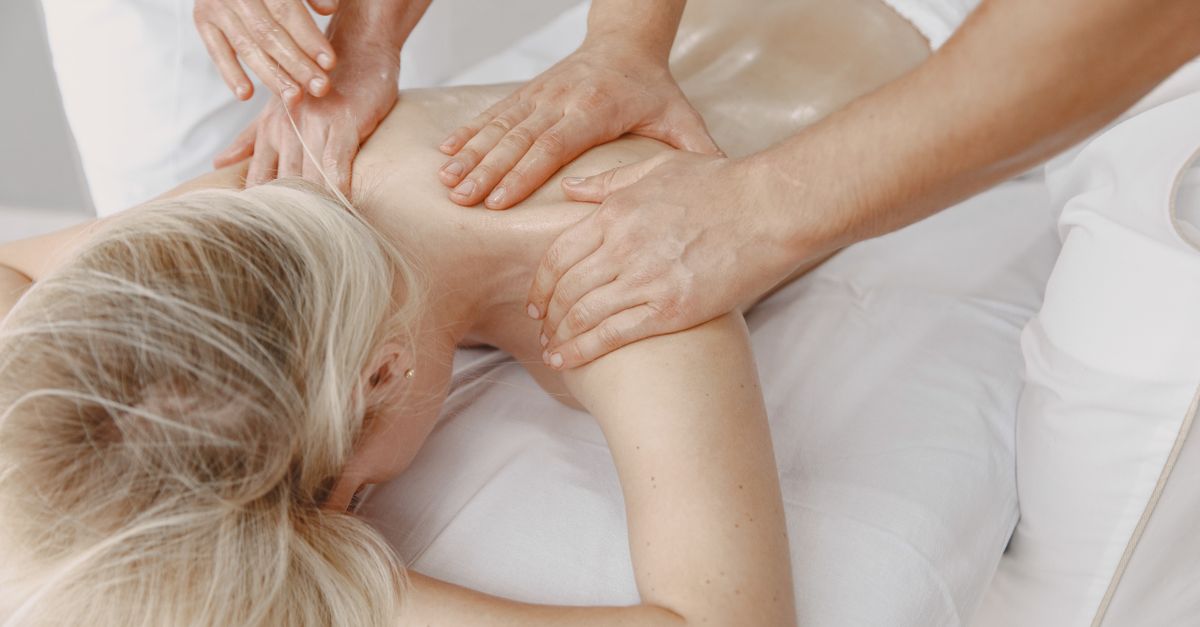
Muscle stiffness and rigidity are among the most physically uncomfortable symptoms of Parkinson's disease, caused by disrupted dopamine signaling in the brain that prevents muscles from fully relaxing. Massage is used as a comfort measure for people living with Parkinson's to help temporarily ease muscle tension, support circulation in stiff limbs, and improve physical comfort during rest — it does not treat Parkinson's disease or alter its progression. Caregivers and patients often incorporate short, gentle massage sessions into a daily routine as part of a broader physician-directed care plan. Anyone managing Parkinson's should consult their neurologist or care team before adding massage or any new physical comfort measure to their routine.
If you're caring for someone with Parkinson's disease — or managing it yourself — you already know that muscle stiffness isn't a minor inconvenience. It's one of the most persistent physical challenges of the condition, present not just during activity but often during rest, affecting arms, legs, the trunk, and the neck throughout the day. For many patients and their caregivers, finding safe, practical ways to ease that daily muscle tension becomes a priority alongside the primary medical care plan.
Massage for Parkinson's muscle stiffness is increasingly discussed as a comfort and quality-of-life measure — not a treatment, but a physically supportive routine that caregivers can help provide. This post covers why Parkinson's causes rigidity, what massage can and cannot do, how therapeutic massagers fit into a caregiver-assisted routine, and practical guidance for short, gentle sessions at home — always within the framework of physician-directed care.
Why Parkinson's Causes Muscle Rigidity
Parkinson's muscle stiffness is not the same as ordinary soreness or tension. It has a distinct neurological origin, and understanding that distinction helps caregivers approach comfort care more thoughtfully.
The Dopamine Connection
Parkinson's disease is caused by the progressive loss of dopamine-producing neurons in a region of the brain called the substantia nigra. Dopamine plays a central role in regulating smooth, controlled muscle movement. When dopamine levels fall, the brain loses much of its ability to send the inhibitory signals that tell muscles to relax between contractions.
The result is a state of sustained muscle contraction — rigidity — that persists even when the person is at rest. According to the National Institute of Neurological Disorders and Stroke, rigidity is one of the four cardinal motor symptoms of Parkinson's disease, alongside tremor, bradykinesia (slowness of movement), and postural instability.
What Parkinson's Rigidity Feels Like
Clinically, Parkinson's rigidity presents in two recognizable patterns. "Lead-pipe rigidity" describes a constant, uniform resistance throughout the range of motion in a limb. "Cogwheel rigidity" describes a ratcheting, jerky quality to movement that results from rigidity layered on top of tremor. Both types affect muscle comfort and mobility.
For patients, rigidity translates into stiff, aching muscles that fatigue easily and resist stretching. The neck, shoulders, arms, hips, and calves are commonly affected. Over time, sustained rigidity contributes to poor posture, reduced range of motion, and a cycle of muscle discomfort that affects sleep, daily activity, and overall quality of life.
How Rigidity Differs from Ordinary Muscle Tension
Because Parkinson's rigidity is neurologically driven, it cannot be resolved through conventional muscle relaxation techniques alone. Stretching, massage, and physical therapy do not address the underlying dopamine deficit or halt disease progression. What these comfort measures can do is provide temporary physical relief from the surface-level consequences of sustained muscle contraction: tension, aching, restricted circulation, and discomfort during rest.
- Rigidity is present at rest, not only during activity
- It affects muscles the person cannot consciously relax
- It may worsen during end-of-dose medication periods
- It often contributes to postural problems, pain, and reduced mobility over time
- Physical comfort measures support relief, not treatment — rigidity is not fully reversible through massage alone
What Massage Can and Cannot Do for Parkinson's Stiffness
Setting realistic expectations matters, both for patients and for caregivers who want to help. Massage is a comfort measure — not a therapy that modifies Parkinson's disease or its underlying progression.
Realistic Benefits: Comfort and Quality of Life
Research into massage for Parkinson's is ongoing and preliminary, but the physical rationale for comfort-focused massage is well established. Gentle, sustained pressure and repetitive mechanical movement stimulate local circulation in muscle tissue, which can temporarily ease the aching quality of tense, contracted muscles. Increased blood flow to stiff limbs may help reduce the sensation of tightness and improve physical ease during rest periods.
Many caregivers and patients report that short massage sessions contribute to a feeling of physical relief — particularly in the arms, legs, and back. While these effects are temporary and do not alter the disease, they can meaningfully improve comfort and quality of life when incorporated consistently into daily care.
What Massage Cannot Do
The boundaries of massage as a comfort measure for Parkinson's disease are worth stating plainly. Massage does not treat Parkinson's at the neurological level, slow or reverse disease progression, or eliminate rigidity — any effects on muscle tension are temporary. It is not a substitute for medication, physical therapy, or neurological care, and it is not appropriate as a primary intervention for any Parkinson's symptom.
The correct framing is this: massage is one physical comfort tool that may be included in a comprehensive, physician-directed care plan. Its value lies in daily comfort support, not disease management.
Physician Coordination Is Non-Negotiable
Parkinson's patients often have coexisting conditions — osteoporosis, cardiovascular issues, skin fragility, fall risk — that affect what kind of massage is safe. Massage should only be introduced after discussion with the patient's neurologist or care team. The physician can advise on appropriate pressure levels, areas to avoid, how massage timing interacts with the medication schedule, and whether the patient's current health status makes hands-on or device-assisted massage appropriate.
How Oscillating Massage Supports Comfort in Stiff Muscles
For caregivers looking for a practical, consistent way to deliver gentle massage, therapeutic massagers offer a structured, repeatable approach that doesn't require specialized training. MedMassager's oscillating body massagers and foot massagers are FDA-registered Class I medical devices built for people managing chronic physical conditions — including those that involve muscle stiffness and reduced circulation in the limbs.
The Oscillating Mechanism
Many caregivers and patients search for vibrating massagers for muscle stiffness — and that's the right category to explore. What distinguishes MedMassager is the use of oscillating technology rather than simple vibration. Oscillation delivers a broader, more rhythmic movement that penetrates deeper into muscle tissue than surface-level vibration, producing more consistent stimulation of blood flow in stiff, contracted muscles.
For the Body Massager specifically, oscillation reaches deep muscle layers and increases local blood flow in muscles affected by prolonged inactivity or sustained contraction. For Parkinson's patients who spend significant time seated or in bed, this kind of mechanical stimulation in the arms, back, and legs can help prevent the compounding discomfort of stiffness layered on top of reduced movement.
The Body Massager for Caregiver-Assisted Sessions
The MedMassager Body Massager is well-suited to caregiver-applied sessions because it delivers consistent, controlled oscillation without requiring the caregiver to maintain manual pressure over an extended period. The caregiver holds and guides the device while the patient remains comfortably seated or lying down — reducing physical strain on both parties.
Variable speed settings allow the caregiver to begin at a very low intensity and adjust only if the patient is comfortable with more stimulation. This flexibility is particularly important for Parkinson's patients, where muscle sensitivity, skin fragility, and medication effects can all affect how much pressure is appropriate on any given day.
The Foot Massager for Seated Circulation Routines
Lower-limb circulation is a common concern for Parkinson's patients who spend extended periods seated. The MedMassager Foot Massager is designed for exactly this use case: the patient places their feet on the platform while seated in a chair or wheelchair, and the device delivers gentle oscillating vibration through the soles of the feet and into the lower legs. Repeated foot motion activates the calf muscles, pushing blood upward rather than letting it pool in the feet — supporting lower-limb comfort during long periods of rest.
Because the Foot Massager requires no caregiver assistance once set up, it also offers patients a measure of independence in their comfort routine — something that matters greatly to many people living with Parkinson's.
Practical Guidance for Caregiver-Assisted Massage Sessions
The following guidance is intended to help caregivers approach massage sessions safely and consistently. These are general comfort-care principles — always defer to the patient's physician or physical therapist for individualized recommendations.
Session Length and Frequency
Short sessions are the correct starting point. For Parkinson's patients, particularly those with advanced disease, long or intense massage sessions can be fatiguing rather than comforting. Begin with 5–10 minute sessions on a single muscle group and assess how the patient feels during and afterward.
Daily short sessions are generally more beneficial than occasional longer ones. Consistent, gentle stimulation of blood flow and muscle tissue produces cumulative comfort benefits over time. Work with the care team to determine a realistic daily routine that complements the patient's medication schedule and energy levels.
Pressure and Positioning
Gentle, consistent pressure is the correct approach — not deep-tissue intensity. Parkinson's patients may have reduced ability to communicate discomfort clearly, particularly if they also experience speech difficulties. The caregiver should check in frequently, watch for nonverbal signs of discomfort (facial tension, muscle guarding, involuntary movement), and reduce intensity immediately if any are observed.
- Use the lowest device speed setting initially; increase only with patient comfort confirmed
- Keep the patient seated in a stable, supported chair — not standing or on an unstable surface
- Support the limb being massaged to prevent strain or involuntary movement
- Avoid bony prominences, joints, and any areas with skin breakdown or edema
- Keep sessions warm — stiff muscles respond better when the patient is not cold
Timing Within the Medication Schedule
Parkinson's medications, particularly levodopa, have predictable "on" and "off" periods. During "off" periods — when medication effect is waning — rigidity and stiffness are typically more pronounced, and the patient may be more uncomfortable and less mobile. Caregivers should discuss with the neurologist whether massage is more appropriate during "on" periods, when the patient is more comfortable and communicative, or whether gentle massage during "off" periods may provide meaningful comfort support.
Areas to Approach with Caution
Not all areas are equally appropriate for device-assisted massage in Parkinson's patients. The following require physician clearance or should be avoided without specific guidance:
- The neck, if the patient has cervical instability or has experienced falls affecting the spine
- Any area with visible edema, open skin, or bruising
- The abdomen, without explicit physician approval
- Areas near implanted devices — patients with deep brain stimulation (DBS) hardware must disclose this to any provider recommending massage
Integrating Massage into the Broader Parkinson's Care Plan
Massage works best for Parkinson's patients when it's treated as one component of a structured daily comfort routine — not a standalone intervention.
Complementing Physical and Occupational Therapy
Physical therapists and occupational therapists who work with Parkinson's patients often incorporate manual therapy, stretching, and movement exercises into care plans. Caregiver-applied massage at home can complement — not replace — that professional work by extending the comfort benefits of muscle stimulation into daily life between formal therapy sessions. Sharing your planned massage routine with the patient's physical therapist allows them to advise on appropriate areas, pressure, and timing.
Supporting Caregiver Wellbeing
Providing daily hands-on comfort care is physically and emotionally demanding. Device-assisted massage reduces the manual effort required from the caregiver while still delivering consistent, structured stimulation to the patient. Tools like the MedMassager Body Massager are built for repeated daily use — a consideration that matters when a caregiver is providing this kind of support over months or years.
Caregiver support organizations, including the Parkinson's Foundation and the American Parkinson Disease Association, offer resources specifically for family caregivers navigating daily care routines. Connecting with those communities can provide both practical guidance and emotional support.
Keeping the Care Team Informed
Any change in the patient's response to massage — increased discomfort, new swelling, changes in rigidity pattern, or skin changes — should be reported to the care team promptly. Consistent communication keeps the physician informed and ensures that the comfort routine remains appropriate as the patient's condition evolves.
Frequently Asked Questions
Can massage help with Parkinson's muscle stiffness?
Massage can provide temporary comfort relief from the physical discomfort of Parkinson's muscle rigidity by stimulating local circulation and easing surface muscle tension. It does not treat Parkinson's disease or reduce rigidity at the neurological level. The effects are temporary and supportive in nature, making massage most valuable as a consistent daily comfort measure within a physician-directed care plan.
Is massage safe for someone with Parkinson's disease?
Massage can be safe for many people with Parkinson's disease, but it requires physician clearance first because of common coexisting conditions including osteoporosis, cardiovascular issues, and skin fragility. Patients with deep brain stimulation (DBS) implants must disclose this to any care provider recommending massage. Gentle pressure, short sessions, and stable seated positioning are essential safety considerations for caregiver-applied massage at home.
What type of massage is best for Parkinson's rigidity?
Gentle, low-pressure massage is most appropriate for Parkinson's patients — deep-tissue or high-intensity approaches are generally not recommended without specific physician guidance. Effleurage-style strokes and gentle oscillating massage are commonly used comfort approaches. The goal is to stimulate circulation and ease surface muscle tension, not to apply forceful pressure to already-contracted muscles.
How often should a Parkinson's patient receive massage?
Short daily sessions of 5–10 minutes on targeted areas are typically more beneficial than occasional longer sessions, because consistent gentle stimulation provides cumulative comfort support over time. The appropriate frequency depends on the individual patient's health status, energy levels, and medication schedule. Caregivers should confirm a routine with the patient's neurologist or physical therapist before establishing a daily practice.
Can a caregiver use a massager device on a Parkinson's patient?
A caregiver can use a therapeutic massager on a Parkinson's patient after receiving physician clearance and guidance on appropriate pressure, areas, and session duration. Device-assisted massage reduces the physical effort required from the caregiver while delivering consistent, controlled stimulation. The caregiver should start at the lowest intensity setting, monitor the patient closely for discomfort, and stop immediately if any adverse response occurs.
Does massage timing matter relative to Parkinson's medications?
Parkinson's medications like levodopa have "on" and "off" periods that significantly affect the patient's comfort and mobility. Many care teams recommend scheduling massage during "on" periods when the patient is more comfortable, communicative, and able to provide clear feedback. However, gentle massage during "off" periods may also provide meaningful comfort support — consult the patient's neurologist to determine the best timing for the individual.
Are there areas to avoid when massaging someone with Parkinson's?
Caregivers should avoid massaging directly over bony prominences, joints with active inflammation, areas of edema or skin breakdown, and the site of any implanted devices including deep brain stimulation hardware. The neck requires particular caution if the patient has any history of cervical instability or spine injury. A physical therapist familiar with the patient can provide a personalized guide to appropriate and restricted areas.
The Bottom Line on Massage for Parkinson's Muscle Stiffness
Parkinson's muscle stiffness is one of the most physically demanding aspects of the condition — for patients who live with it and for the caregivers who support them daily. Massage offers a practical, gentle comfort measure that can help ease the aching tension of rigid muscles, support circulation in limbs that move less than they should, and provide a structured moment of physical relief in an often difficult day.
It's not a treatment for Parkinson's disease. It won't change the course of the condition. But consistent, physician-approved comfort care matters — and for many caregivers, having reliable tools makes that care more sustainable over the long term.
MedMassager's Body Massager and Foot Massager are FDA-registered Class I medical devices built for people managing chronic physical conditions — and for the caregivers who support them. If you're building a daily comfort routine for someone living with Parkinson's, explore our full range of therapeutic massagers and share the options with your care team.
This content is for informational purposes only and is not intended as medical advice, diagnosis, or treatment. Always consult a qualified healthcare professional before starting any new treatment or therapy. MedMassager products are FDA-registered Class I medical devices.


