
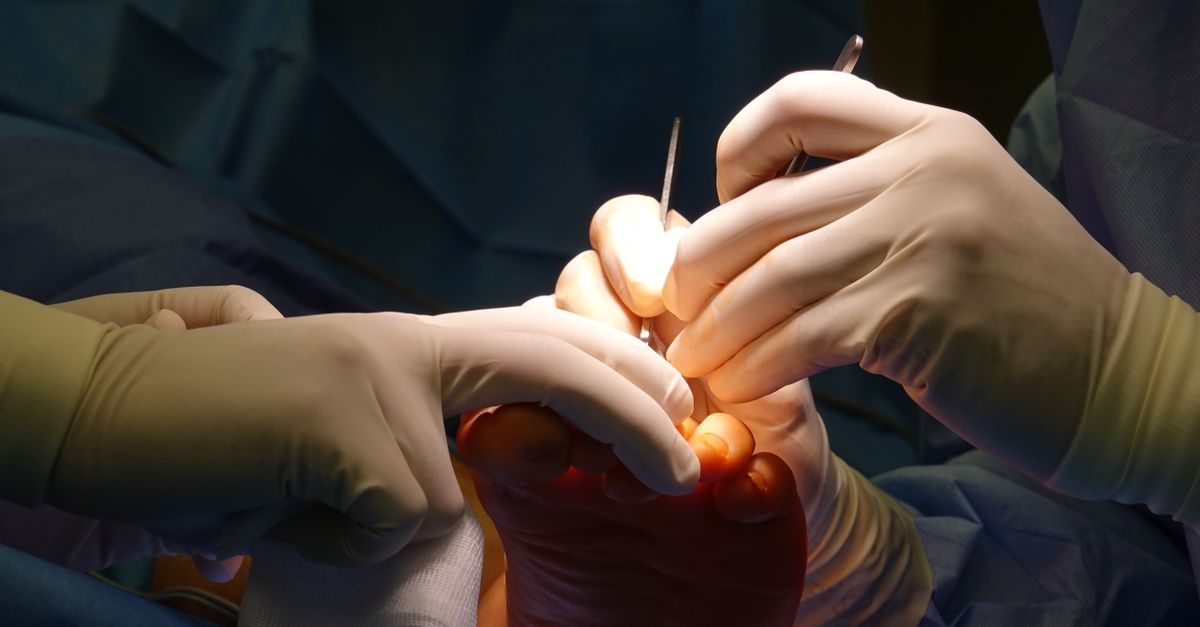
Sesamoiditis is inflammation of the sesamoid bones — two small pea-sized bones embedded in the tendons beneath the first metatarsophalangeal joint at the ball of the foot. It causes pain, tenderness, and swelling directly under the big-toe joint, typically worsening with weight-bearing activity and toe push-off. Sesamoiditis is a distinct diagnosis from metatarsalgia and Morton's neuroma, each of which affects different structures in the forefoot. Conservative care focuses on offloading the sesamoids through padding, footwear modification, activity modification, and gradual return to weight-bearing over weeks to months.
The pain starts subtly — a dull ache under the ball of your foot near the big toe, easy to dismiss after a long run or a day in heels. Then it doesn't go away. If you're trying to figure out what's causing that persistent tenderness under your first toe joint, sesamoiditis has its own distinct anatomy, its own set of causes, and its own recovery rules — and it's frequently misunderstood, even misdiagnosed, as generic forefoot pain. This article covers what sesamoiditis actually is, who develops it, how it differs from similar-sounding conditions, and what conservative care looks like — including how to use massage strategically during recovery.
What Are the Sesamoid Bones?
To understand sesamoiditis, you need to know what makes the sesamoids unusual. They're not like most bones in the foot.
The Anatomy of the Sesamoids
Sesamoid bones are small, round bones that sit within tendons rather than connecting directly to other bones via joints. The foot has two of them — the medial (tibial) sesamoid and the lateral (fibular) sesamoid — both embedded in the flexor hallucis brevis tendon directly beneath the first metatarsophalangeal (MTP) joint. That's the joint at the base of your big toe.
Their function is mechanical: they act as pulleys, increasing the leverage of the flexor hallucis brevis muscle, and they serve as load-bearing surfaces that absorb and distribute the significant forces that pass through the forefoot during walking, running, and push-off. During normal gait, the sesamoids bear a substantial portion of body weight with every step.
How Sesamoiditis Develops
Sesamoiditis occurs when repetitive stress or acute overload causes inflammation of the sesamoid bones themselves, the surrounding cartilage, or the tendons that encapsulate them. Unlike a sesamoid fracture — which involves a structural crack — sesamoiditis is an inflammatory response. The tissue is irritated and swollen, not broken.
The pain typically localizes directly under the first MTP joint. It worsens with activities that load the forefoot: running, jumping, climbing stairs, walking barefoot on hard surfaces, or any movement requiring toe push-off. Swelling and bruising are sometimes present, and the area is usually tender to direct palpation.
Who Is Most at Risk
Sesamoiditis doesn't strike randomly. Certain factors concentrate forefoot load and dramatically increase risk:
- High-impact activity: Runners, dancers (particularly ballet dancers who perform en pointe), basketball players, and athletes in sports requiring explosive push-off are disproportionately affected.
- High heels: Elevated heel position shifts body weight forward onto the forefoot, increasing sesamoid load with every step.
- High arches (cavus foot): A rigid high-arched foot distributes weight unevenly, concentrating pressure on the ball of the foot rather than dispersing it across the arch.
- Low arch or flat feet: Overpronation can also alter sesamoid mechanics, though high arches are the more common structural risk factor.
- Sudden increase in activity: Ramping up training volume or intensity too quickly — especially on hard surfaces — is a common trigger.
- Thin-soled or unsupportive footwear: Shoes with minimal cushioning provide little shock absorption at the forefoot.
Sesamoiditis vs. Metatarsalgia vs. Morton's Neuroma
Forefoot pain has several possible diagnoses, and they overlap enough in symptom location to cause confusion. Getting the right diagnosis matters because treatment differs significantly.
Sesamoiditis
Pain is specifically localized under the first MTP joint — directly beneath the big toe. The hallmark is tenderness on direct palpation of the sesamoid bones. Pain intensifies with toe extension (bending the big toe upward) and with push-off during walking or running. A physician can often reproduce symptoms by pressing on the sesamoid area and passively dorsiflexing the big toe.
Metatarsalgia
Metatarsalgia is a broader category describing pain and inflammation in the metatarsal heads — the ball of the foot generally. It typically affects the second, third, and fourth metatarsal heads rather than the first. The pain feels like walking on a pebble or having bruised the ball of the foot. Unlike sesamoiditis, metatarsalgia is not specific to the big-toe joint and does not involve the sesamoid bones.
Morton's Neuroma
Morton's neuroma involves a thickening of nerve tissue between the third and fourth metatarsals (occasionally the second and third). The pain is often described as burning, shooting, or electric — a neurological sensation rather than a dull ache or direct bone tenderness. Numbness and tingling in the toes are common, and squeezing the forefoot side-to-side may reproduce symptoms. Morton's neuroma has no bone involvement; it is fundamentally a nerve entrapment issue, not a bone or tendon problem.
The practical distinction: if your pain is precisely under the base of the big toe, worsens with toe push-off, and is tender to direct palpation in that specific spot, sesamoiditis is the more likely diagnosis. A sports medicine physician or orthopedic specialist can confirm with physical exam and, when needed, imaging.
How Massage Supports Sesamoiditis Recovery
Massage plays a real role in sesamoiditis recovery — but the approach matters. Applying direct pressure to inflamed sesamoid bones is counterproductive. The strategy is indirect: work the surrounding structures to reduce forefoot load and support circulation during the recovery period.
Why Direct Sesamoid Pressure Is Off the Table
The sesamoids are already irritated and inflamed. Pressing on them directly — with thumbs, massage tools, or any device applied under the first MTP joint — risks aggravating the inflammation and prolonging recovery. Any massage approach for sesamoiditis should deliberately avoid the ball of the foot directly beneath the big toe.
The Arch and Calf: Where Massage Actually Helps
The logic behind indirect massage is mechanical. The calf muscles (gastrocnemius and soleus) and the plantar fascia that runs along the arch both connect to and influence forefoot mechanics. Tight calves increase the load transferred to the forefoot during push-off, and a tight plantar fascia reduces arch flexibility, concentrating force at the ball of the foot. Loosening both reduces the mechanical strain on the sesamoids during daily movement.
Focusing massage work on the arch (away from the forefoot), the heel, and the calf provides circulation and tissue mobility benefits without aggravating the injured area. This is the right framing for sesamoiditis: support the structures that feed into forefoot load, not the inflamed site itself.
Using a Foot Massager During Sesamoiditis Recovery
A therapeutic foot massager can support gentle circulation during recovery, with appropriate precautions. MedMassager's Foot Massager uses oscillating technology — not percussion — delivering continuous rhythmic vibration that activates the calf muscles and keeps blood moving through the lower leg without the sharp direct force of a percussion device. Repeated foot motion pushes blood upward through the lower leg rather than letting it pool in the feet.
The critical rule: do not position the massager so the oscillating surface contacts the sesamoid area under the first MTP joint. Keep the foot positioned to engage the arch and heel. Many users find that resting the mid-foot and heel on the massager surface while keeping the forefoot slightly elevated — or simply avoiding the ball of the foot — allows them to benefit from improved lower-leg circulation without loading the injured area.
Physician clearance is essential before using any massager during active sesamoiditis. Inflammation severity varies, and the appropriate timing for introducing any form of mechanical stimulation depends on where you are in recovery. Always confirm with your treating physician or physical therapist before using a foot massager for sesamoiditis.
Conservative Treatment: The Evidence-Based Approach
The vast majority of sesamoiditis cases resolve with conservative care. Surgery is rarely necessary and is considered only after extended conservative management has failed. Recovery timelines vary — mild cases may resolve in weeks, while more severe inflammation can take several months.
Offloading the Sesamoids
The first priority is reducing the load on the inflamed bones. Strategies include:
- Sesamoid pads and dancer's pads: Felt or silicone padding cut to relieve pressure directly under the first MTP joint, placed in the shoe to redistribute load away from the sesamoids.
- Custom orthotics: A podiatrist or orthotist can fabricate devices that specifically offload the first ray and sesamoid area while providing arch support.
- Activity modification: Reducing or eliminating activities that load the forefoot — running, jumping, stairs, inclines — during the acute phase.
- Stiff-soled footwear: A rigid sole limits big-toe dorsiflexion, reducing the push-off load through the sesamoids during walking.
Footwear Changes
Footwear is one of the most impactful and underutilized interventions. High heels should be eliminated entirely during recovery — they are mechanically incompatible with sesamoid healing. Shoes with a low heel-to-toe drop, generous toe box, adequate forefoot cushioning, and sufficient sole rigidity provide the best environment for recovery.
Going barefoot on hard floors — common in home environments — is often one of the highest-load situations for the sesamoids and should be avoided during the acute phase. Supportive house footwear is worth investing in.
Physical Therapy and Gradual Return
Physical therapy for sesamoiditis typically includes calf stretching (to reduce forefoot load), intrinsic foot strengthening (to improve load distribution), and gait retraining. The Achilles tendon and calf complex are specifically targeted because gastrocnemius tightness demonstrably increases first MTP joint stress.
Return to high-impact activity should be gradual and structured. A sports medicine physician or physical therapist can guide a progressive loading program that reintroduces forefoot stress incrementally, monitoring for symptom recurrence. Returning too quickly is the most common reason sesamoiditis becomes a chronic problem.
When Conservative Care Isn't Enough
If symptoms persist after several months of consistent conservative management, a physician may consider corticosteroid injection to reduce inflammation, immobilization with a walking boot, or further imaging to rule out a sesamoid stress fracture (which requires a different treatment protocol). Surgical removal of a sesamoid bone is a last resort with its own recovery implications and is rarely the first or second-line recommendation.
Daily Recovery Habits That Support Healing
Beyond the clinical interventions, day-to-day habits shape recovery pace more than most people realize.
A Practical Daily Routine
- Morning: Before standing, perform seated calf stretches and gentle ankle circles to warm up the lower leg before loading the foot. Avoid barefoot walking on hard floors first thing in the morning.
- Footwear on immediately: Put on supportive footwear with sesamoid padding before walking anywhere in the house.
- Mid-day: If seated for extended periods, perform ankle pumps and calf contractions to keep blood moving through the lower leg. This is where a foot massager positioned at the arch and heel can support circulation during rest — with physician clearance.
- Post-activity: Ice the sesamoid area for 10–15 minutes after any weight-bearing activity that loads the forefoot, especially during the early recovery phase.
- Evening: Calf rolling with a foam roller, arch massage (staying well clear of the forefoot), and gentle range-of-motion work for the ankle and midfoot.
Calf Stretching: A Non-Negotiable
Tight calves are a consistent finding in forefoot overload conditions, including sesamoiditis. The gastrocnemius and soleus together influence how the foot strikes and how load is distributed through push-off. A consistent calf stretching routine — both straight-leg (gastrocnemius) and bent-knee (soleus) stretches, held for 30–60 seconds, two to three times daily — is one of the simplest and most effective interventions for reducing forefoot stress over time.
Sesamoiditis in Specific Populations
Runners and Athletes
Sesamoiditis is particularly common in runners who increase mileage rapidly, switch to minimalist footwear without adequate adaptation, or run predominantly on hard surfaces. The return-to-running protocol after sesamoiditis should be conservative — many clinicians recommend a walk-run progression starting only after full pain-free walking is achieved, with forefoot cushioning and offloading maintained throughout.
Dancers
Ballet dancers are among the highest-risk populations due to the extreme forefoot loading in relevé and en pointe positions. Sesamoiditis in dancers often requires extended rest and a carefully managed return-to-dance protocol, typically supervised by a sports medicine physician with dance experience. The therapeutic massager options that help other populations still apply — with the same forefoot-avoidance principle in place.
People Who Wear Heels Regularly
For the non-athletic population who develop sesamoiditis from chronic high-heel use, the intervention is largely footwear-based. Transitioning out of heels — even temporarily — combined with sesamoid padding and supportive footwear addresses the root cause directly. A foot massager used at the arch and calf can help support circulation during the transition period, particularly during prolonged seated work or travel.
Frequently Asked Questions
How do I know if I have sesamoiditis or a sesamoid fracture?
Both conditions cause pain and tenderness under the first MTP joint, which makes them difficult to distinguish by symptoms alone. A sesamoid fracture typically causes more acute, severe pain with a clear onset event, while sesamoiditis tends to develop gradually from repetitive stress. Imaging — particularly an MRI or bone scan — is generally needed to differentiate them, as plain X-rays can miss stress fractures. See a sports medicine physician or podiatrist for an accurate diagnosis, since the two conditions require different management.
How long does sesamoiditis take to heal?
Mild sesamoiditis can resolve in four to eight weeks with consistent offloading and activity modification. More significant inflammation may take three to six months, and cases that are repeatedly stressed before healing can become chronic. Recovery timeline depends on severity, compliance with offloading, activity level, and whether the underlying biomechanical cause has been addressed. Returning to high-impact activity too soon is the most common reason sesamoiditis drags on.
Can I still walk with sesamoiditis?
In most cases, walking is possible during sesamoiditis recovery, provided you are wearing supportive footwear with adequate sesamoid offloading and are not experiencing severe pain with each step. The goal is to reduce load on the first MTP joint during walking, not necessarily to eliminate walking entirely. Barefoot walking on hard surfaces should be avoided, and activities involving running, jumping, or prolonged standing on hard floors should be restricted based on symptom severity and physician guidance.
What is the difference between sesamoiditis and metatarsalgia?
Sesamoiditis is inflammation specifically involving the sesamoid bones beneath the first metatarsophalangeal joint at the base of the big toe. Metatarsalgia is a broader term for pain in the metatarsal heads generally, most commonly affecting the second through fourth metatarsals rather than the first. Sesamoiditis produces tenderness precisely under the big-toe joint that worsens with toe push-off, while metatarsalgia typically produces a broader aching sensation across the ball of the foot. Correct diagnosis guides the right intervention — the treatment approaches overlap but are not identical.
Should I massage the ball of my foot if I have sesamoiditis?
Direct massage pressure on the inflamed sesamoids is not recommended and can aggravate symptoms. The appropriate strategy focuses on the arch, heel, and calf — structures that influence forefoot load mechanics — rather than the ball of the foot beneath the big toe. Working the calf and plantar arch can help reduce the mechanical tension that contributes to sesamoid stress without stimulating the inflamed site itself. Confirm your massage approach with your treating physician or physical therapist before starting.
Can high arches cause sesamoiditis?
Yes. A high-arched (cavus) foot is one of the most common structural risk factors for sesamoiditis. The rigid, inflexible arch of a cavus foot does not absorb shock effectively, concentrating load on the ball of the foot and the sesamoids with each step. People with high arches often benefit from custom orthotics designed to redistribute this load and add cushioning under the first metatarsal head, and footwear with adequate forefoot cushioning is especially important for this population.
Is sesamoiditis the same as turf toe?
No, though both conditions involve the first MTP joint and can produce overlapping symptoms. Turf toe is a sprain of the ligaments surrounding the first MTP joint, typically caused by a sudden hyperextension of the big toe — a common sports injury on artificial turf. Sesamoiditis is an inflammatory condition of the sesamoid bones caused by repetitive stress rather than a single acute ligament injury. A physician can distinguish them through physical exam and imaging, and the treatment protocols differ meaningfully.
The Bottom Line on Sesamoiditis
Sesamoiditis is a specific, diagnosable condition — not generic ball-of-foot soreness. The two small sesamoid bones beneath your big-toe joint have their own anatomy, their own failure modes, and their own recovery requirements. Offloading, footwear changes, calf stretching, and a patient return to activity are the pillars of conservative care that resolve the majority of cases without surgery.
Massage has a legitimate role in recovery, but the strategy is indirect: work the arch, heel, and calf to reduce forefoot load — not the inflamed sesamoids themselves. Explore MedMassager's therapeutic foot massagers if you're looking for gentle circulation support during recovery, positioned carefully to engage the arch and lower leg rather than the forefoot. Always get physician clearance before introducing any mechanical stimulation during active inflammation.
If you're managing forefoot pain more broadly, MedMassager's full range of FDA-registered Class I therapeutic massagers includes options for both foot and full-body recovery support.
This content is for informational purposes only and is not intended as medical advice, diagnosis, or treatment. Always consult a qualified healthcare professional before starting any new treatment or therapy. MedMassager products are FDA-registered Class I medical devices.


